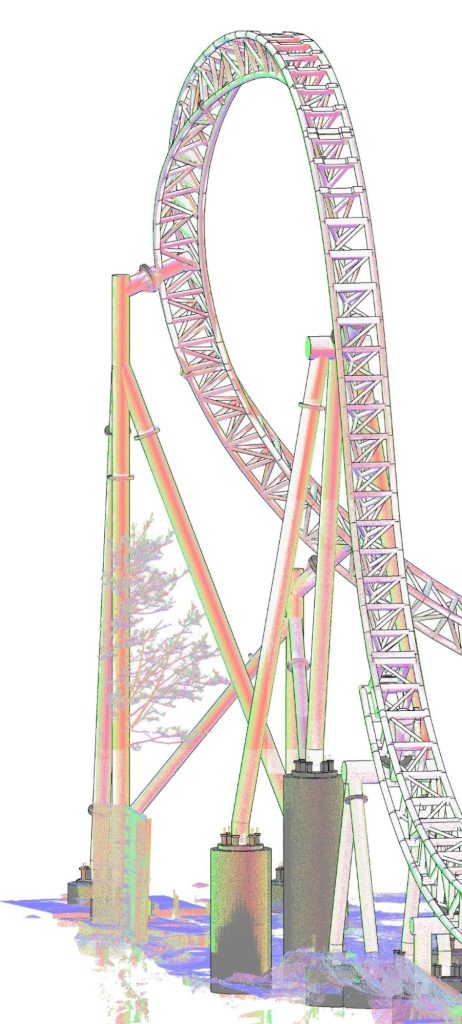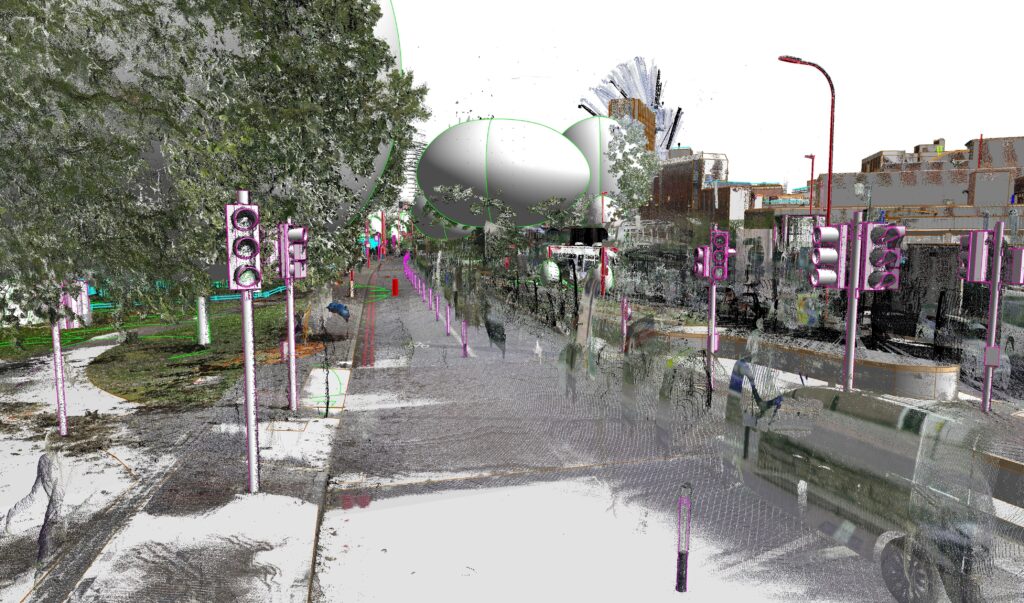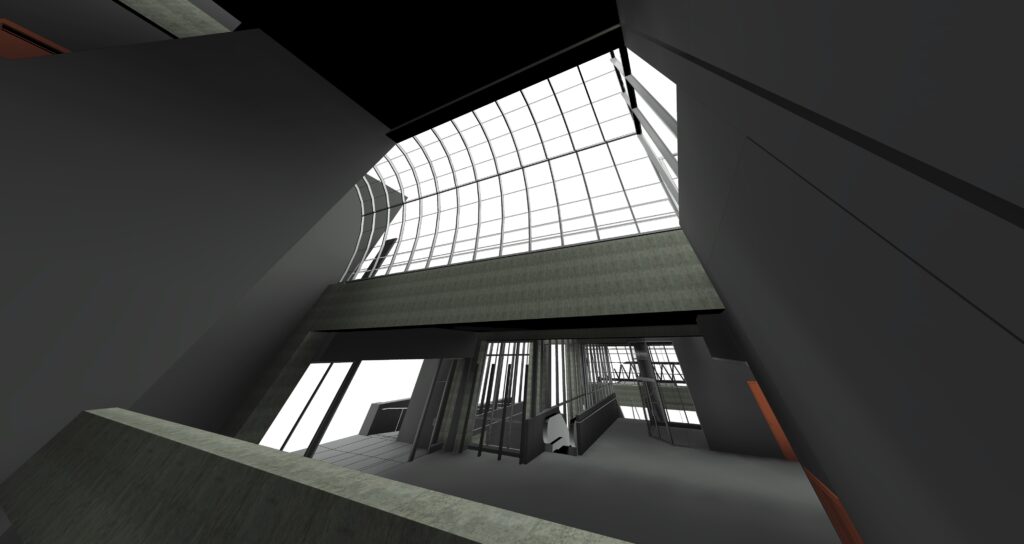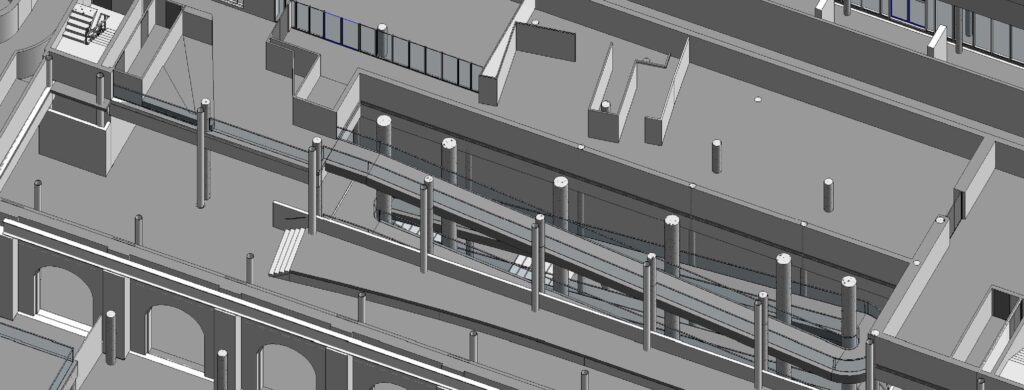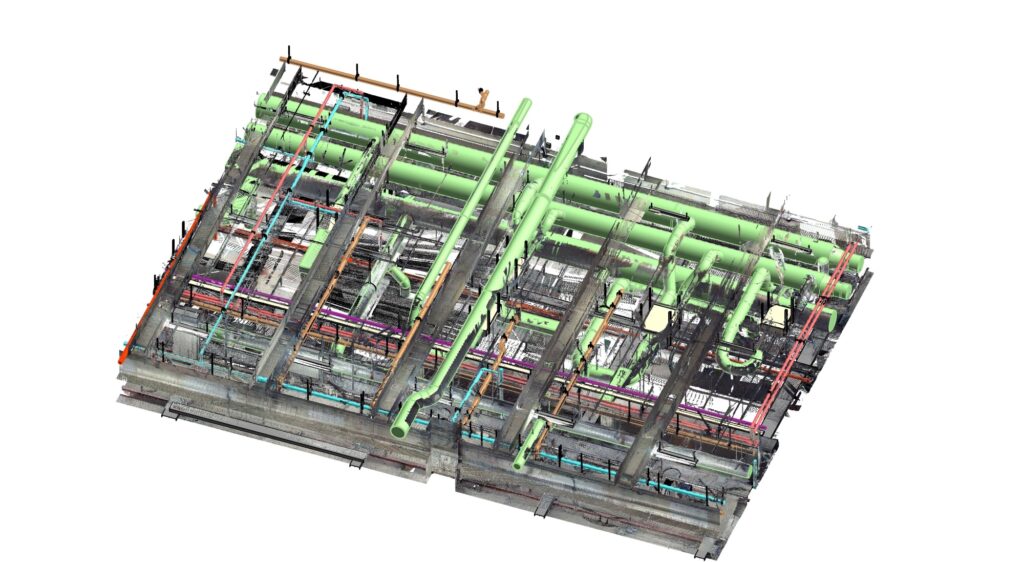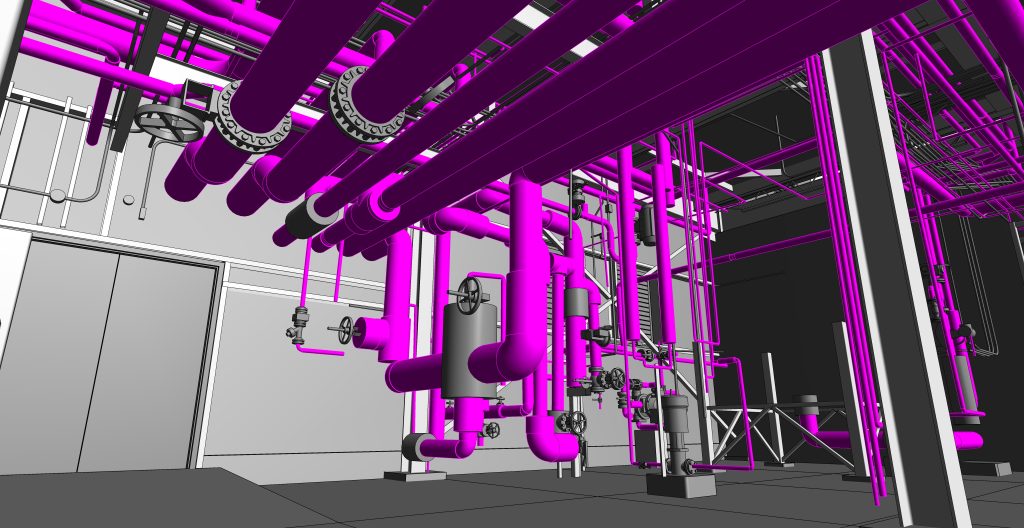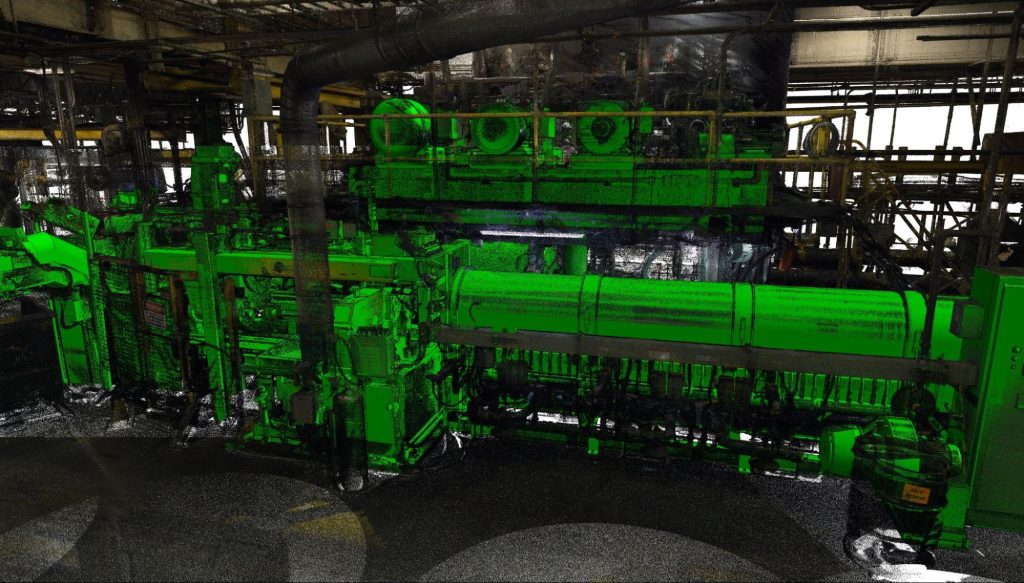

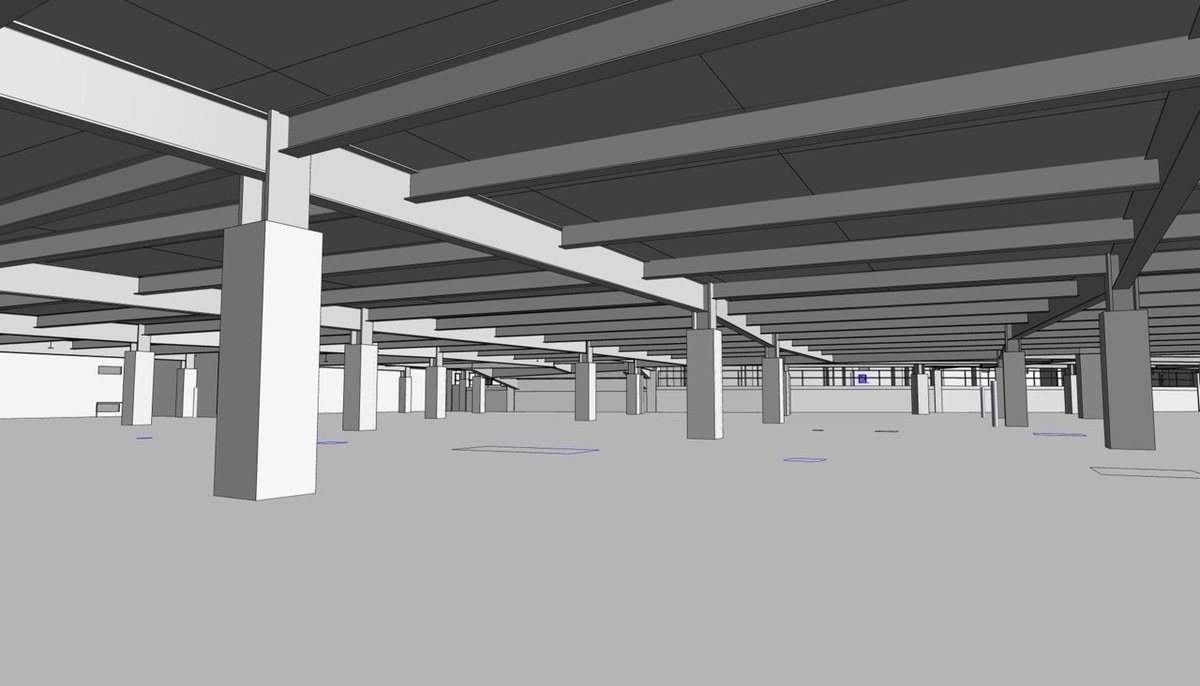
Structural BIM modeling from point cloud services provide Revit models of existing structures for as-built documentation, renovation planning, construction coordination, and facility management. ViBIM converts your point cloud into these models and checks the size and position of each visible member against the scan. Covered systems include reinforced concrete, structural steel frames, space frames, trusses, hybrid structures, and timber construction, on projects from residential buildings to complex industrial plants and large-scale infrastructure.
In the design phase, engineers use the models as measured geometry for structural analysis, retrofit studies, and clash detection. During construction, contractors rely on them for accurate quantity takeoffs, sequencing, and site coordination. At handover, owners keep the models as precise record documentation for long-term maintenance and future upgrades. ViBIM delivers a native Revit model, with Navisworks, IFC, DWG, or PDF files on request.
As Seen On
 Coruzant Technologies
— ViBIM scan to BIM case study, modeling ultra-dense MEP systems for a US factory.
Coruzant Technologies
— ViBIM scan to BIM case study, modeling ultra-dense MEP systems for a US factory.
 The Architect's Diary
— ViBIM cited for point cloud to BIM expertise in federated BIM coordination.
The Architect's Diary
— ViBIM cited for point cloud to BIM expertise in federated BIM coordination.
 BizzBuzz
— ViBIM cited for scan to BIM precision on renovation and retrofit projects.
BizzBuzz
— ViBIM cited for scan to BIM precision on renovation and retrofit projects.
 TechBullion
— ViBIM experts break down LOD 300 vs LOD 350 for scan to BIM models.
TechBullion
— ViBIM experts break down LOD 300 vs LOD 350 for scan to BIM models.
 Urban Splatter
— ViBIM featured as a scan to BIM company across architecture, structure and MEP.
Urban Splatter
— ViBIM featured as a scan to BIM company across architecture, structure and MEP.
 Today News
— ViBIM named a Revit outsourcing partner for electrical BIM modeling from point cloud data.
Today News
— ViBIM named a Revit outsourcing partner for electrical BIM modeling from point cloud data.
Structural BIM modeling services from ViBIM give survey and AEC firms reliable Revit models, on-time delivery, and clear communication from quote to handover.
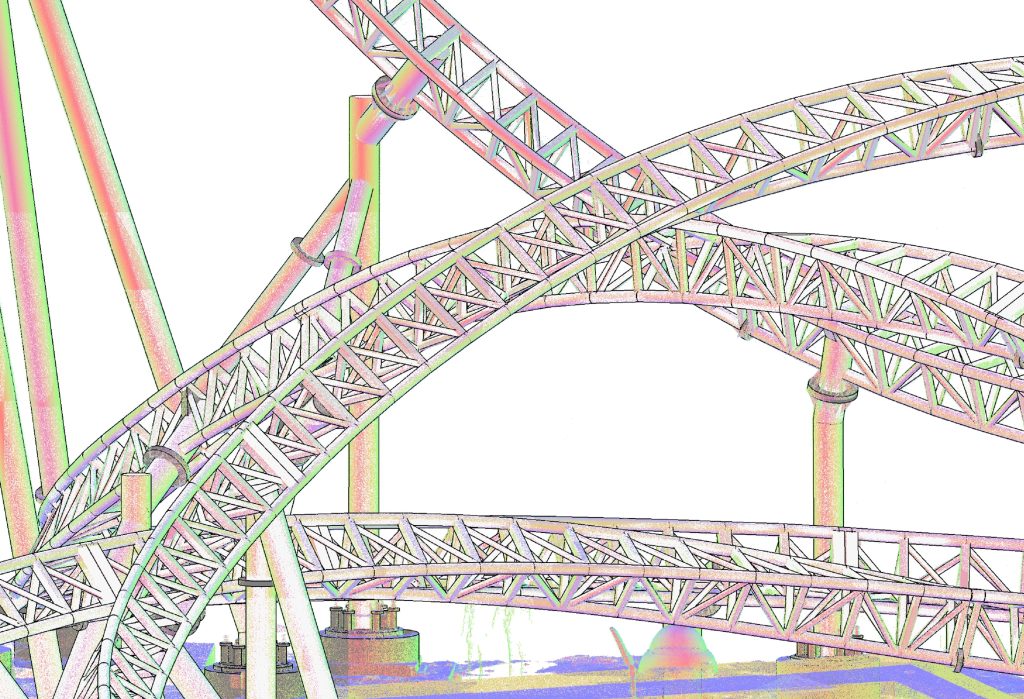
Structural systems and elements modeled from point cloud data include the primary frame, each framing system (concrete, steel, or timber), optional rebar and connections, and member data such as category and material. Through ViBIM’s BIM structural modeling services, each member is placed from the scan, or from your drawings where the scan cannot show it. The scope items are explained below:
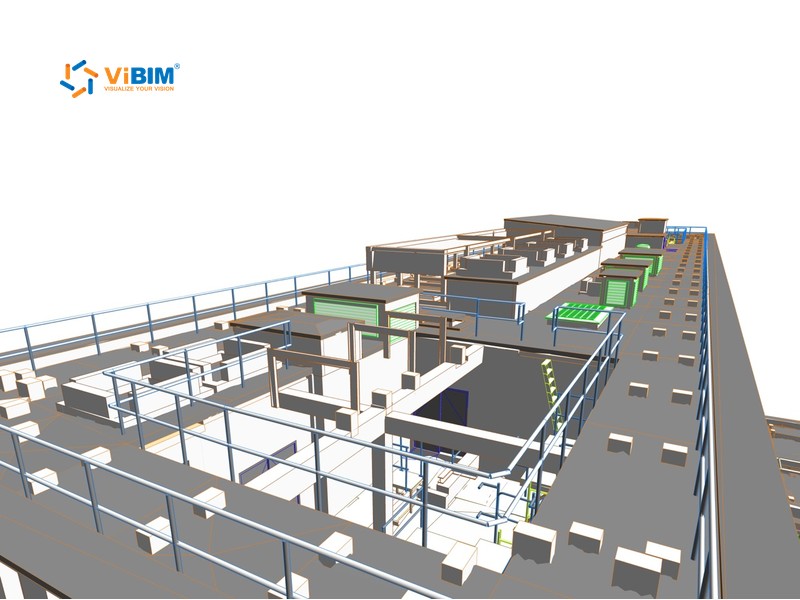
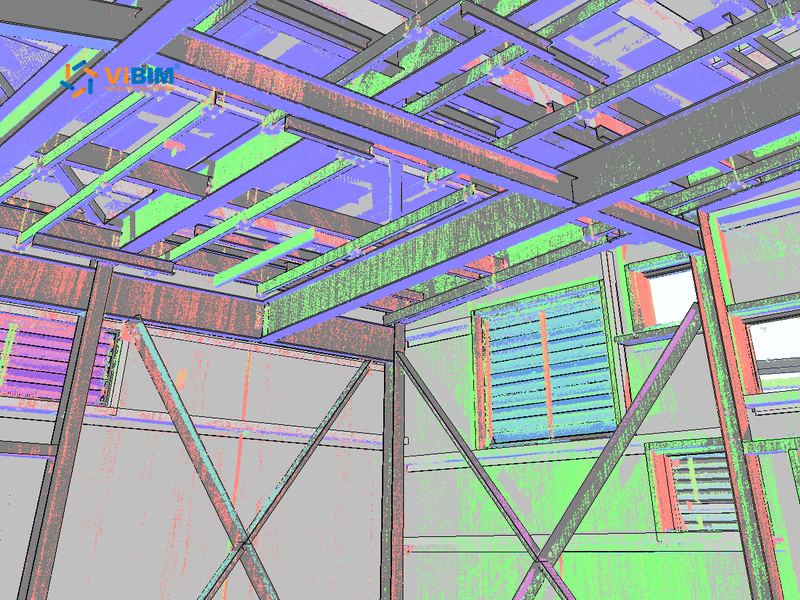
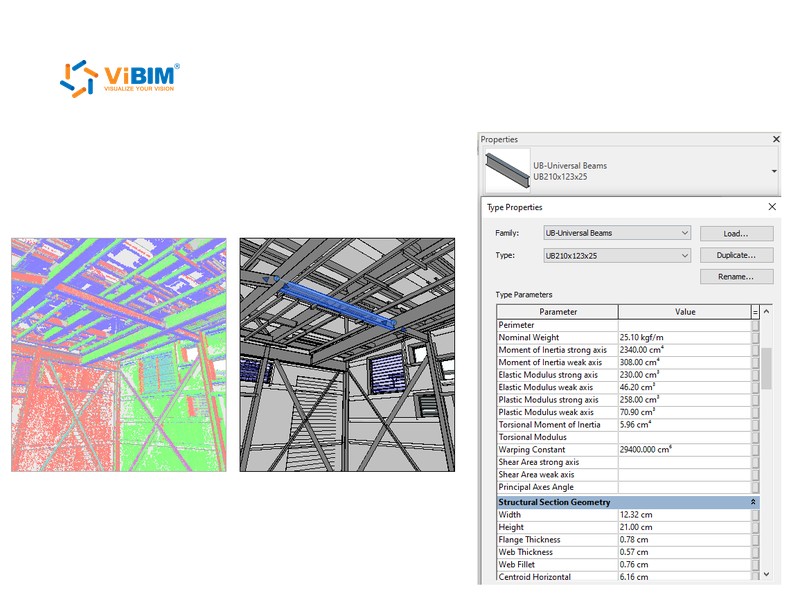
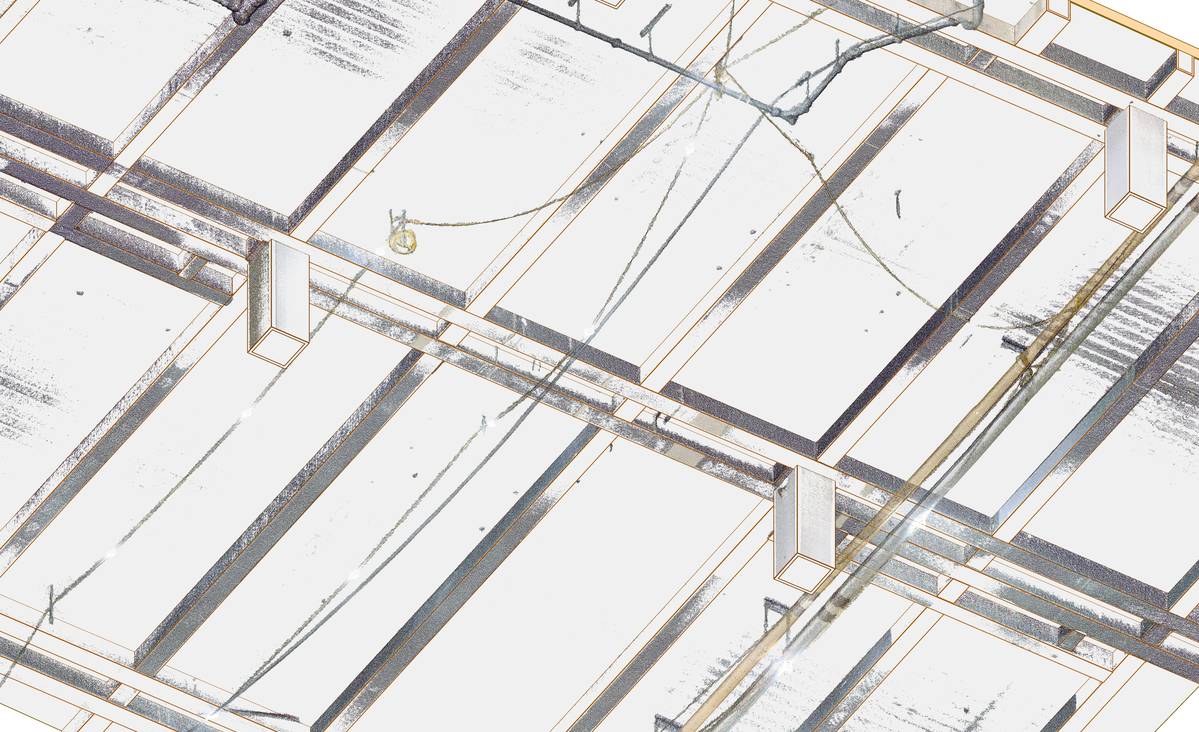
We convert laser scan data, including RCP and E57 files, into accurate structural Revit models of columns, beams, slabs, trusses, complex roof structures, and load-bearing walls. Foundations are modeled where the scan or your drawings show them.
We identify and model reinforced concrete (RC), steel frames, space frames, hybrid steel-concrete systems, and timber structures. Each system follows modeling logic consistent with regional standards (AISC, AS 4100, CSA S16, BS EN 1993).
Rebar is modeled schematically from your drawings and specifications, or from exposed bars visible in the scan. Base plates, bolts, stiffeners, and similar connection parts can be included, depending on project scope.
We assign elements to the correct Revit categories, such as Structural Columns, Structural Framing, and Structural Foundations, with standard names, types, and materials. Metadata, including material, type, and installation dates where known, supports filtering, scheduling, and quantity takeoffs.
Structural scan to BIM deliverables all come from the native Revit model, so each member sits in the same position in every file. File names and folders follow your delivery standard or ISO 19650. The four deliverables are listed below:
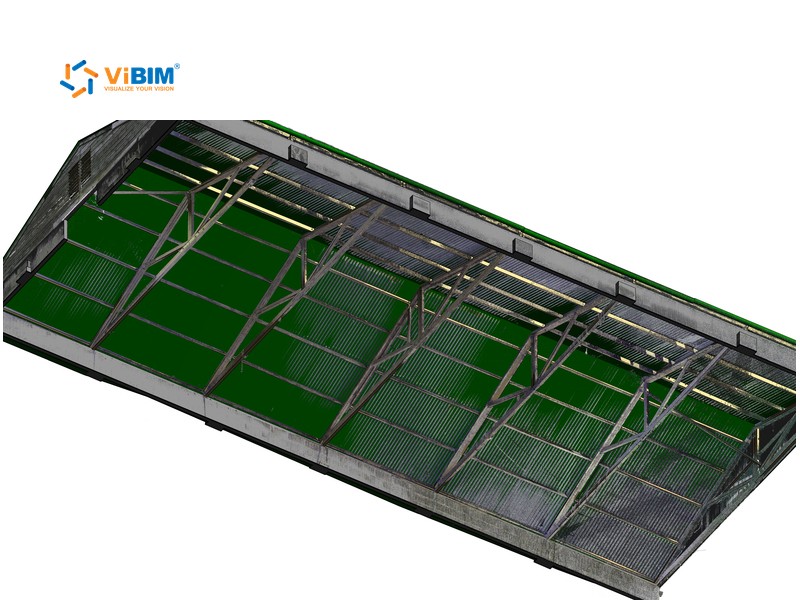
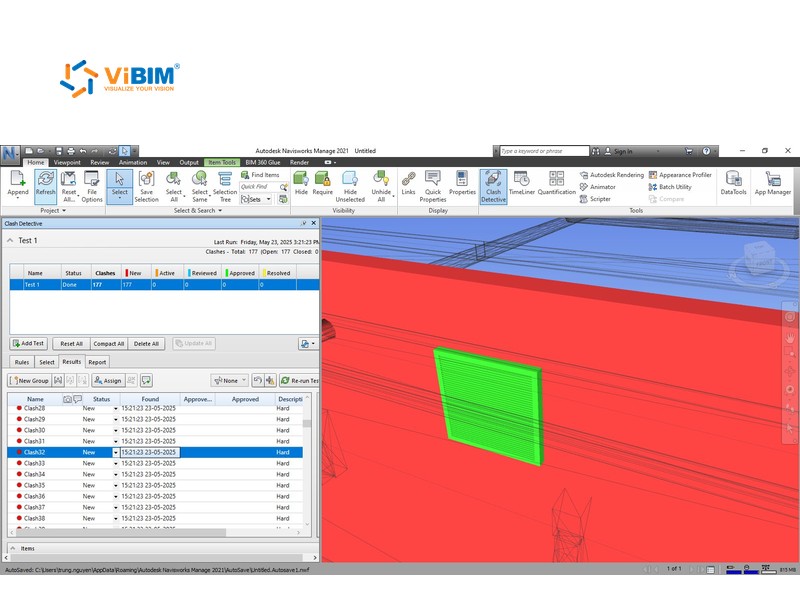
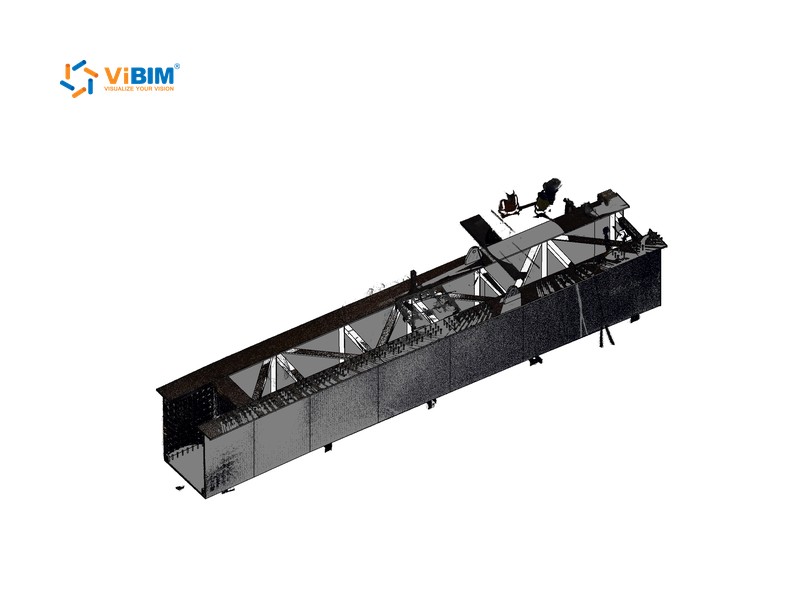
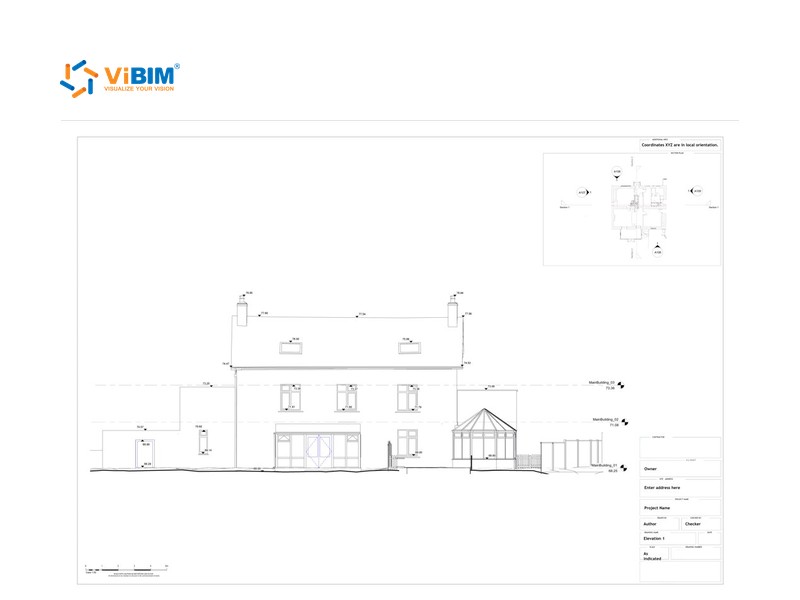

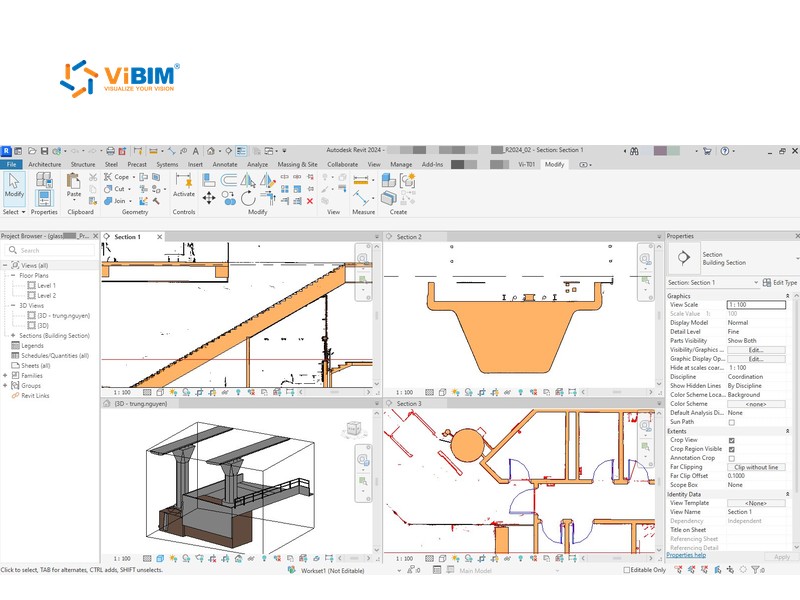
The structural point cloud to BIM process builds the frame from the primary members outward, in nine steps from scope review to close-out. The steps are explained below:
We review your point cloud files, including RCP and E57, alongside site photographs, drawings, and other documentation. Leica TruView files provide additional visual context when available.
Technical leaders and project managers estimate hours from the scope, structural complexity, point cloud density and quality, and required LOD and LOI. They also use productivity records from similar projects to plan resources.
After the project is awarded, the team sets up the project coordinate system to match the point cloud and existing datums. Shared levels, grids, view templates, and collaborative worksets follow. Any custom families required for structural elements are prepared or loaded at this stage.
Modelers reconstruct the structure from the point cloud, starting with primary columns, beams, slabs, and walls. Secondary members and connections within the scope follow.
We check beam-column, slab-beam, and wall-foundation joins, and the vertical continuity of load-bearing elements. Where the scan shows a column or wall stopping short, we model and flag that condition rather than filling the gap.
QA/QC combines automated tools with two independent manual reviews. Modelers correct every issue found, and reviewers recheck each fix before release.
Before delivery, we resolve duplicate elements and address outstanding Revit warnings, then purge unused families, views, and materials to reduce file size and improve performance. Final checks cover connectivity, joins, levels, and naming compliance.
Your team reviews the delivered model. ViBIM handles adjustments and clarifications within the original agreed scope, typically at no additional cost.
After you accept the final model and the project closes, the team holds an internal lessons-learned session.
Accuracy, LOD, and quality control in structural scan to BIM start from targets set with you before modeling. The three targets are member detail (LOD), member data (LOI), and model-to-scan tolerance. ViBIM checks detail and accuracy separately, so a highly detailed member still fails review if it sits in the wrong place. The controls are described below:
LOD in BIM controls the geometric detail of each frame member. LOI covers the data each member carries, such as material and type. Each LOD is shown below:
| LOD | Beams, columns, and trusses |
|---|---|
| LOD 200 | Primary beams, trusses, and columns at their overall size |
| LOD 300 | Actual section shapes, secondary members, and specified penetrations |
| LOD 400 | Supports, bracing, and connections where the scan or your drawings show them |
Stiffeners, haunches, plates, nuts, and bolts are separate options at LOD 300 or LOD 400, each modeled only where the scan or your drawings show them. Model-to-scan tolerance is set at 50 mm, 30 mm, or 15 mm (about 2, 1.2, or 0.6 in), or at a custom value your project needs.
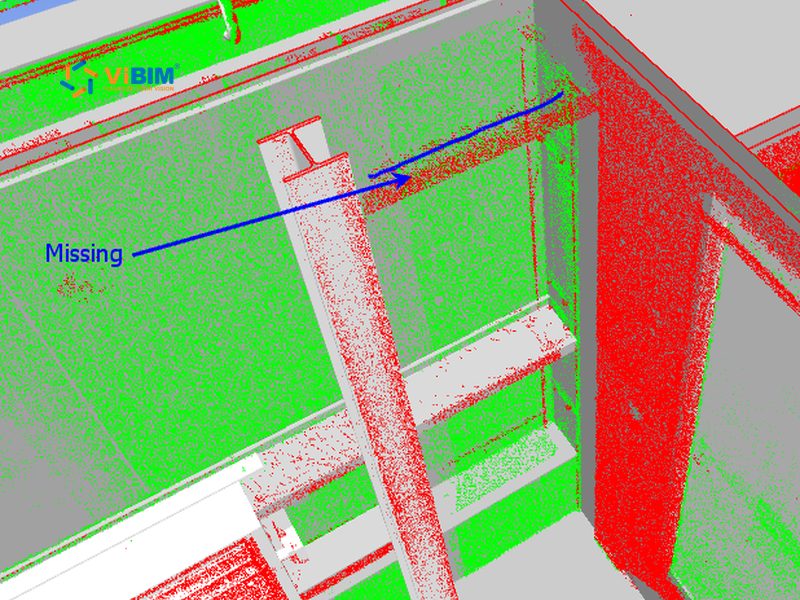
Automated checks first flag members out of tolerance. Two independent reviewers then compare member positions, sections, and levels with the point cloud at your tolerance and look for missing members. Category, naming, and parameter checks confirm the model is organized as specified. Members modeled from drawings rather than the scan are marked, so your engineers can tell them apart.
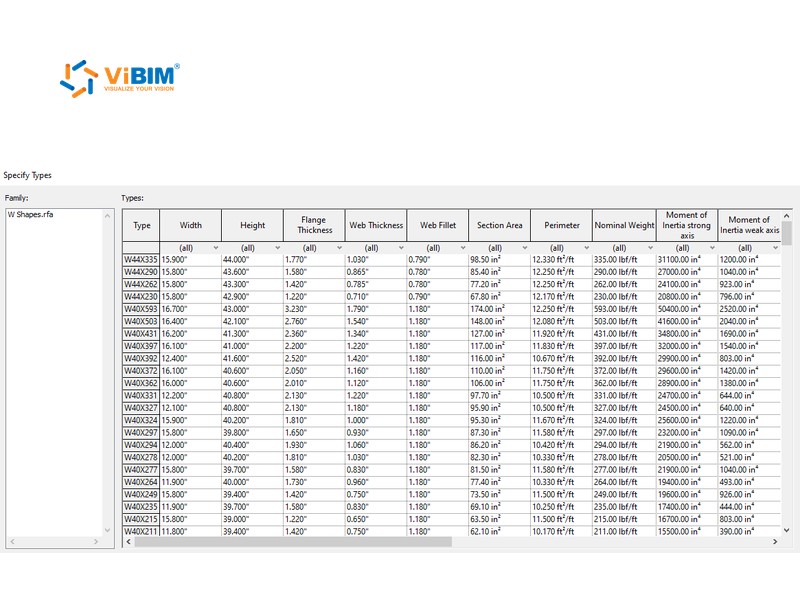
Most structural scan to BIM projects do not require strict adherence to a single international standard, so ViBIM follows your BEP and the references used in your region. A US project, for example, uses AISC steel shapes. Structural design and code checks remain with your engineer. The main references are listed below:

INDEPENDENT
QC LAYERS
Unsure which connections in your frame the scan actually captured?
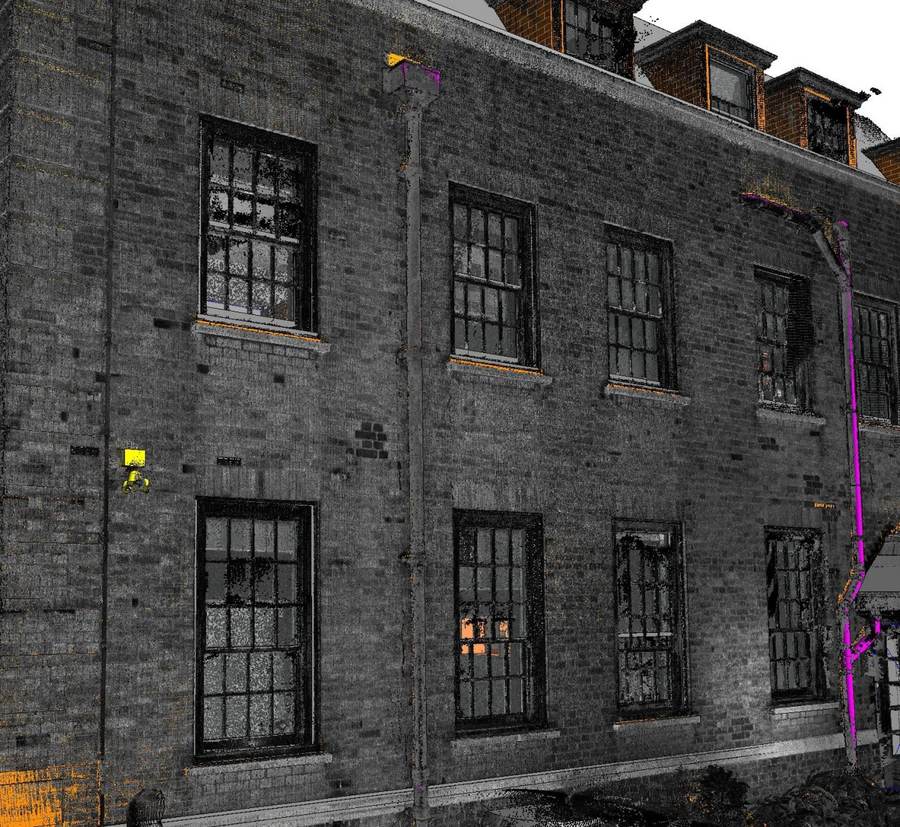
ViBIM’s featured structural BIM modeling projects show frames of beams, columns, slabs, and trusses modeled from scans of existing structures. Every structural model here is part of the 1,000+ BIM projects the company has completed since 2014.
The advantages of choosing ViBIM’s Revit model outsourcing services for structural projects are listed below:

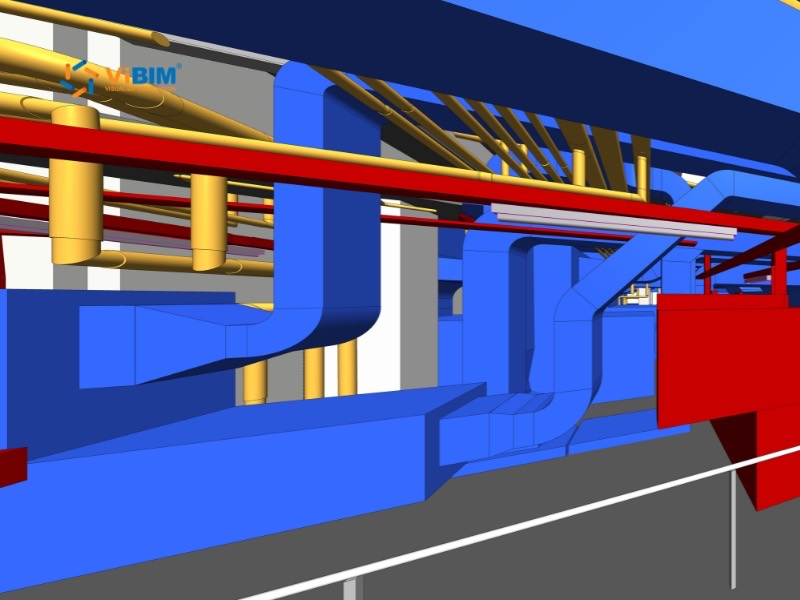



ViBIM delivers 99% of projects on schedule, against a delivery date fixed at scope sign-off. Unclear areas, such as a beam end above a ceiling, are logged for your team while modeling continues on the rest of the frame.

Standard steel sections are loaded from AISC, UK, Australian, and Canadian libraries rather than built one by one, and in-house Revit API and Dynamo tools handle the repetitive modeling work. Together they help ViBIM deliver 30% faster than the market average.

Existing-structure scans can contain noise and occlusions, including columns behind racking and beams above ceilings. ViBIM models what the scan or your drawings support and checks each scanned member at your tolerance. ViBIM’s structural modelers hold civil engineering or architecture degrees and receive in-house BIM training.

ViBIM keeps communication clear, consistent, and proactive throughout the project lifecycle. You have a dedicated point of contact, regular updates, and prompt responses to your queries.

ViBIM refines its capabilities through systematic process improvement, regular standards updates, and investment in proprietary tools that enhance model quality and efficiency.

Pham Thanh is the founder and CEO of ViBIM, which he grew from three employees into a 30-strong BIM outsourcing team. Contributed to Vietnam’s first national BIM Guidelines (Ministry of Construction, 2017). MBA, Solvay Brussels School of Economics and Management (2012); Bachelor of Architecture, ABAC University (2008); BIM Management Certificate, BCA Academy, Singapore (2014).

Do Van Yen is ViBIM’s Architectural Team Leader and one of its first three specialists, working with the founder since 2011. Has led architectural BIM modeling since 2014 and helped build the company’s Scan to BIM services and standards from the start. Civil Engineering, University of Transport and Communications.

Nguyen Tien Trung is ViBIM’s Structural Team Leader and manages the company’s BIM standardization system, leading structural modeling on its largest, most complex projects. Construction Engineering, Hanoi University of Civil Engineering (2019).

Truong Van Huong is ViBIM’s MEP Team Leader, leading mechanical, electrical and plumbing BIM modeling and coordination. Brings years of hands-on MEP design and implementation experience to large, complex project delivery. Bachelor’s in Electrical Engineering, specializing in Electrical Systems (2018).

Truong Quoc Trung is ViBIM’s Project Manager and one of its first-generation modelers, with the company since 2018. Runs its medium to large-scale BIM projects end to end and mentors new modelers. Practical Engineer’s degree in Civil Engineering, Construction Technical College No. 1 (2017).
A structural BIM modeling quote depends on the framing, the detail and tolerance, and the files you need. Two buildings of the same size can need very different effort if one has complex steel connections or mixed framing. Your quote from ViBIM arrives within 12–24 hours of receiving four items from your team. The items are listed below:
Architecture and MEP can be quoted with the frame through ViBIM’s scan to BIM services, so all three models come from one point cloud and one coordinate system. ViBIM can sign your NDA, or your client’s, before you share the first file.

Ready to Start Your Structural BIM Modeling Project?
Send your point cloud and the details above for a quote on the whole frame, or ask us to model a sample area for free as a trial.

Structural BIM modeling across the USA and worldwide uses each market’s steel sections. US projects use AISC shapes, while UK, Australian, and Canadian projects use their national section tables, such as AS/NZS 3679. The markets ViBIM serves are shown below:

United States

United Kingdom

Canada

Australia

European Union
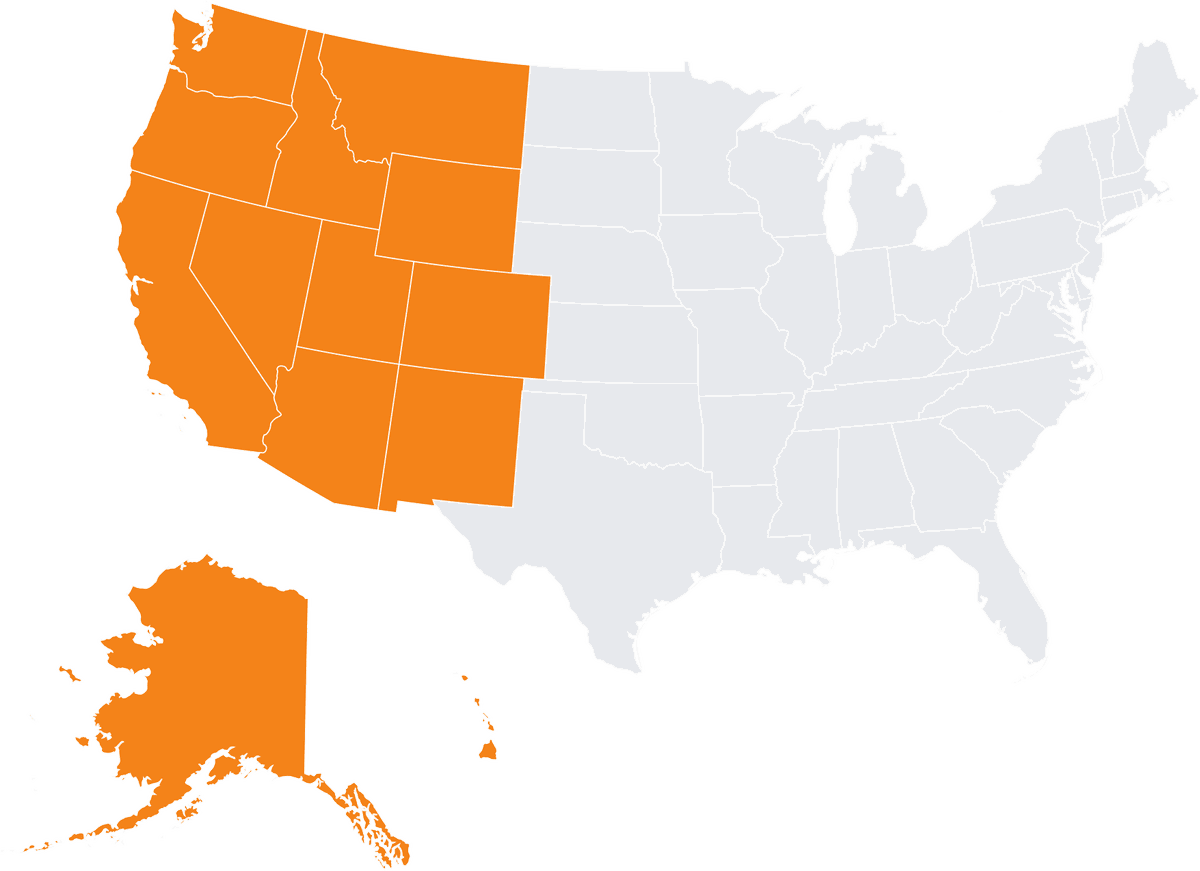
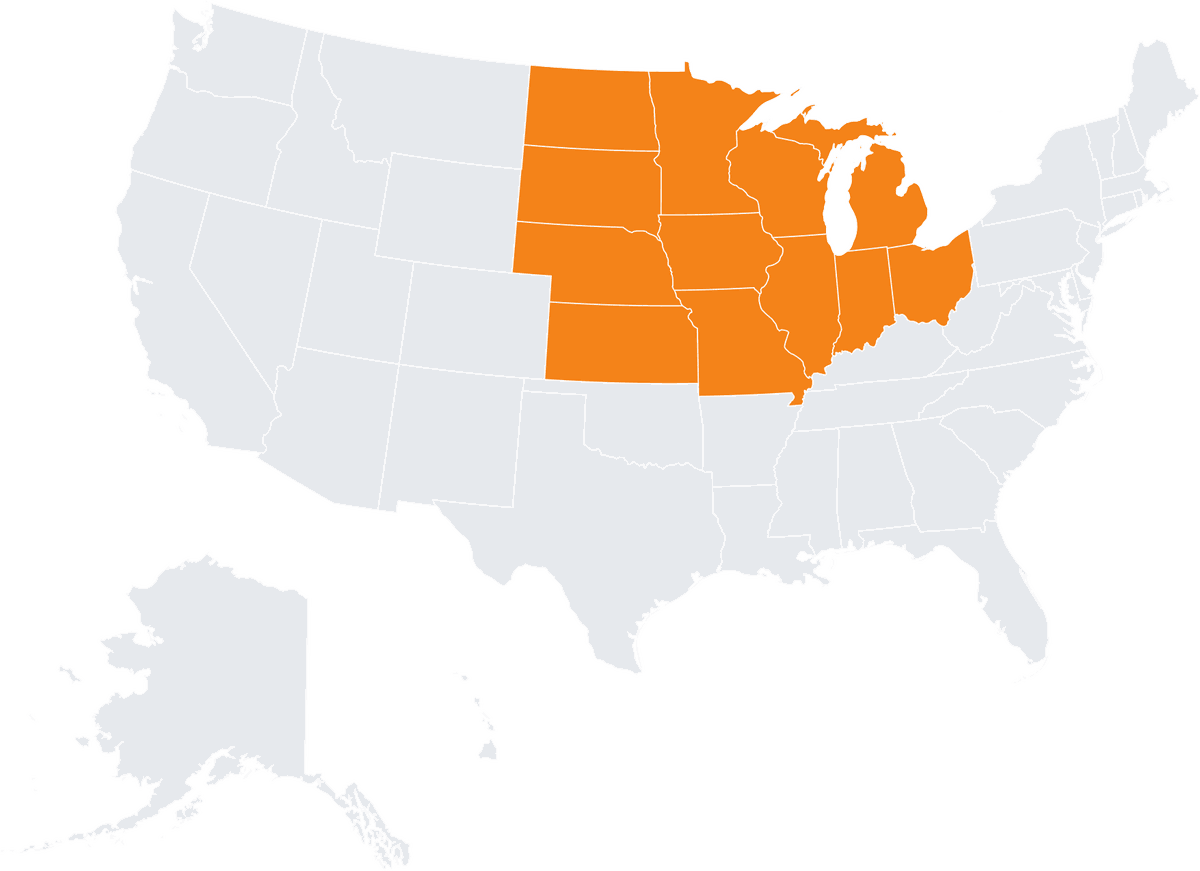
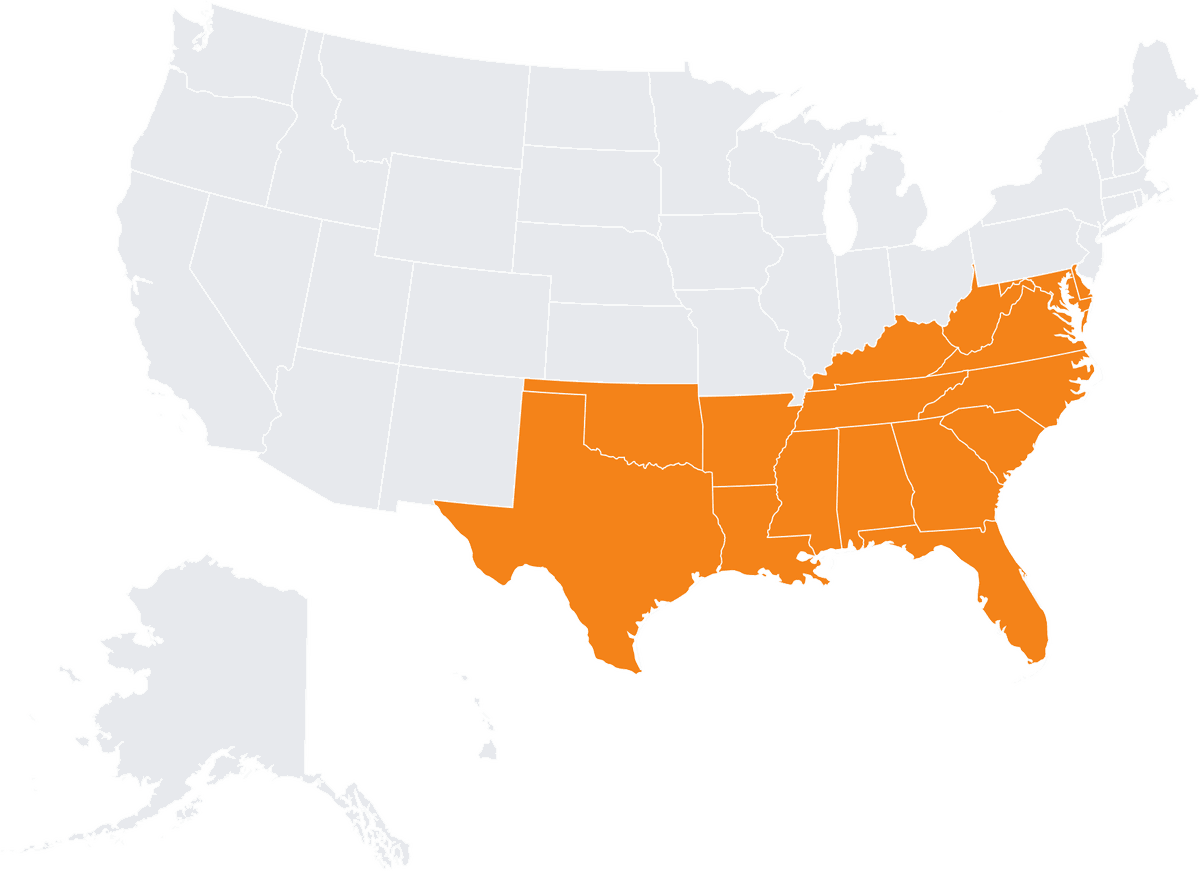
The US states and cities we serve are shown below:
Alaska
Arizona
California
Colorado
Hawaii
Idaho
Montana
Nevada
New Mexico
Oregon
Utah
Washington
Wyoming
Irvine
Illinois
Indiana
Iowa
Kansas
Michigan
Minnesota
Missouri
Nebraska
North Dakota
Ohio
South Dakota
Wisconsin
Chicago
Alabama
Arkansas
Delaware
Florida
Georgia
Kentucky
Louisiana
Maryland
Mississippi
North Carolina
Oklahoma
South Carolina
Tennessee
Virginia
West Virginia

Connecticut
Maine
Massachusetts
New Hampshire
New Jersey
New York
Pennsylvania
Rhode Island
Vermont
Boston
As-built structural BIM supports retrofit design, clash checks with other disciplines, quantity takeoffs, and facility records. Engineers start from the measured frame instead of measuring on site, a workflow covered in our guide to BIM for structural engineers. Each use is described below:
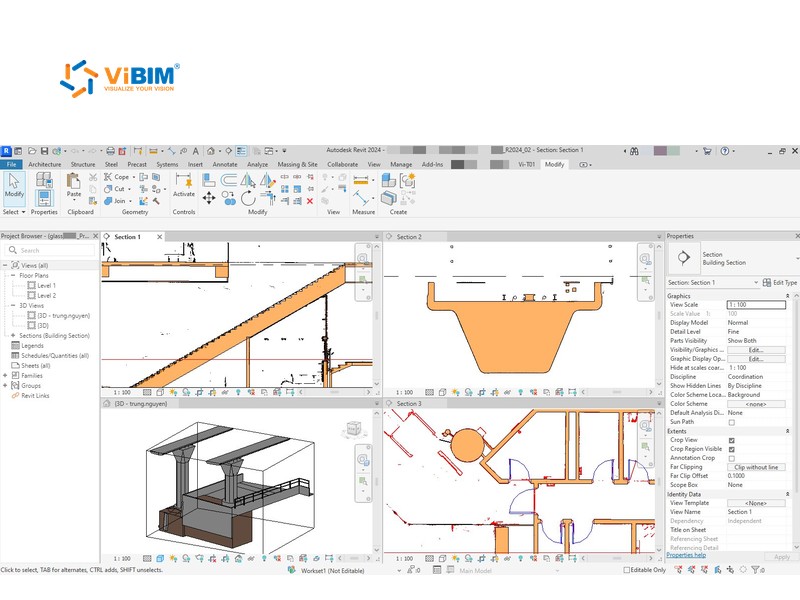
Engineers receive measured member sizes, positions, and spans before designing an opening or extension. Working from existing conditions reduces errors and rework in design and construction. Your engineer remains responsible for load analysis, calculations, and design decisions, and can build an analytical model from this geometry.
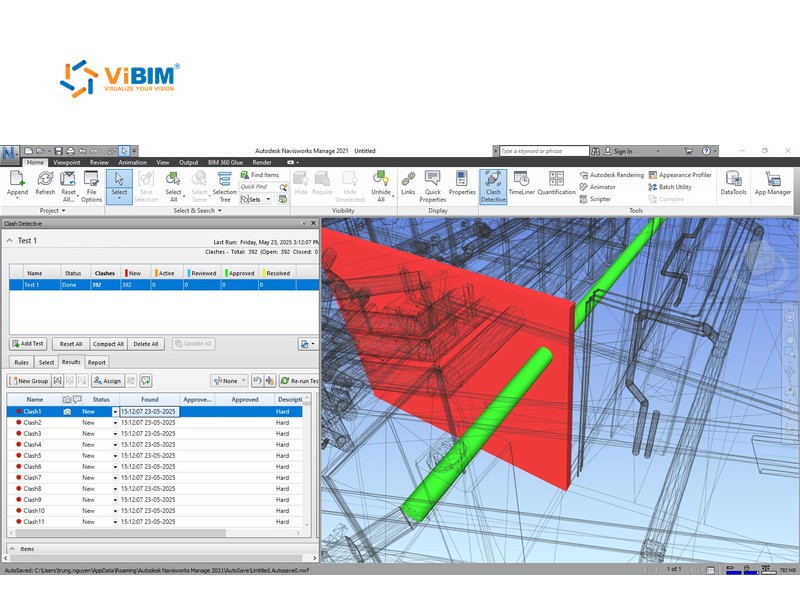
Engineers can load the structural model alongside architectural and MEP models to find clashes before site work. ViBIM can also run clash detection in Navisworks or Revit coordination tools and report critical issues. Shared coordinates, model versions, and who reviews each clash are agreed on during scoping.
Revit categories and types support steel and concrete quantity schedules for the modeled scope. Detailers can use the geometry as a measured starting point for shop drawings, and contractors can use it for construction sequencing.
After handover, the model remains a structured record of the frame for facility management and asset tracking. The same file can be reused for the next upgrade, so design, construction, and facility teams work from one source.

The Structural Modeling Review Checklist lists what to check in a structural model before acceptance, whichever team built it.
Structural BIM from point clouds FAQs answer what a scan can and cannot show, whether the model is ready for analysis, how quality is checked, and how projects are priced.
No. A laser scan records surfaces, so reinforcement inside concrete has no points to model from. ViBIM models rebar schematically from your reinforcement drawings or specifications, or from bars exposed in the scan. Without those records, rebar stays out of the model.
Not on its own. The model gives your engineer the measured geometry of the frame. Loads, supports, material properties, and the analytical model are set by the engineer in their analysis workflow. If your engineer needs the model prepared in a specific way, add it to the brief.
We check incoming RCP or E57 point clouds for coverage and quality, using ReCap Pro to prepare the data. Modelers build Revit elements against the scan. In-house tools then check each element against the tolerance you set, and Navisworks Manage runs clash detection. Two senior BIM specialists then review the model independently.
Pricing depends mainly on the structure’s size, complexity, and systems, along with point cloud quality, LOD, LOI, and requested deliverables. ViBIM quotes each project at an hourly rate or as a lump sum, based on estimated modeling hours. Our Scan to BIM price guide explains the main cost factors.
START WITH A FREE TRIAL
Share your point cloud and project scope. We return a free trial model on your own data, plus a fixed quote, before you commit to anything.

Free trial model on your sample data
Scope, timeline and quote in 12–24 hours
NDA on request · secure file transfer