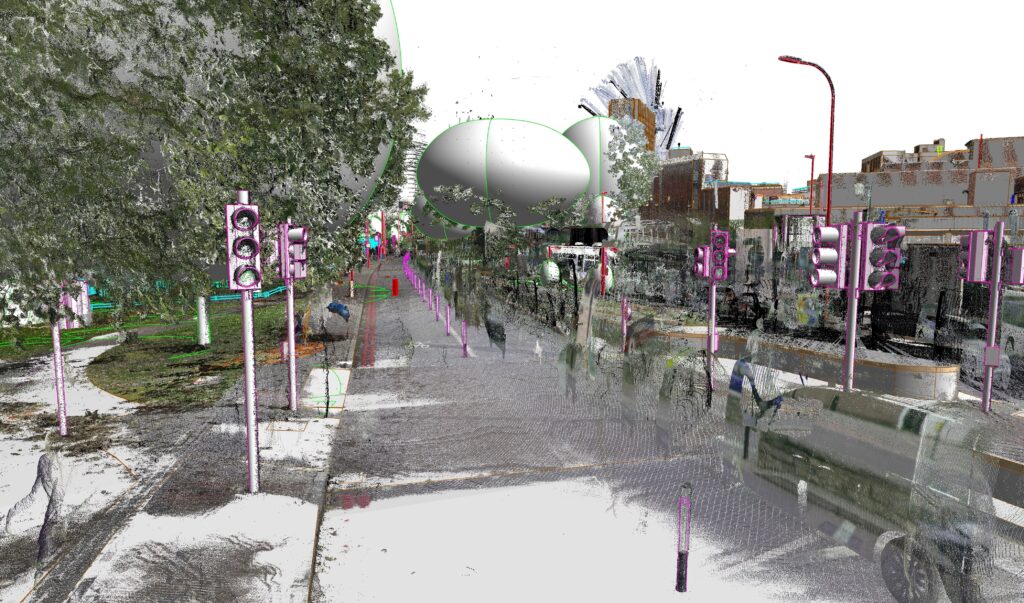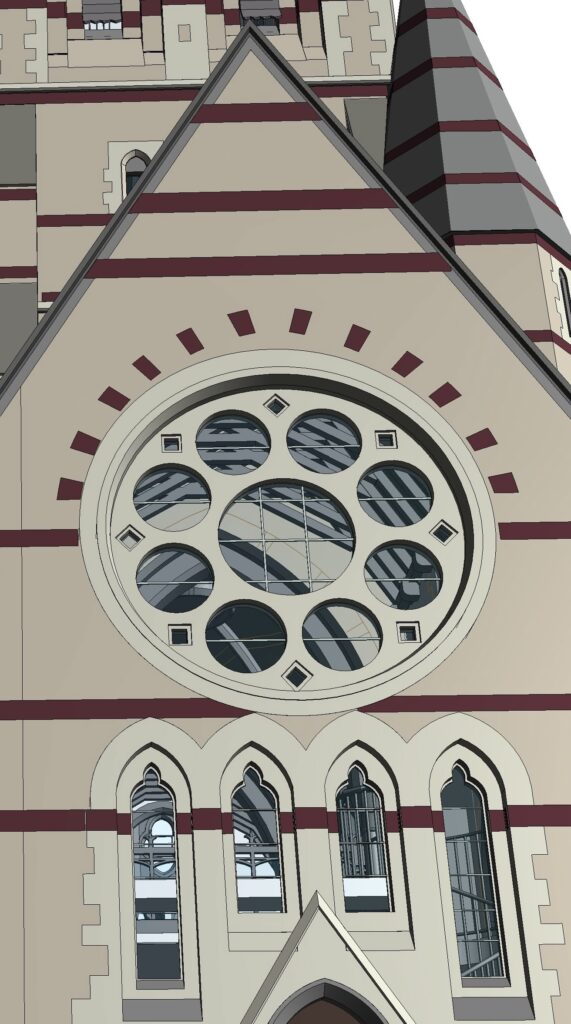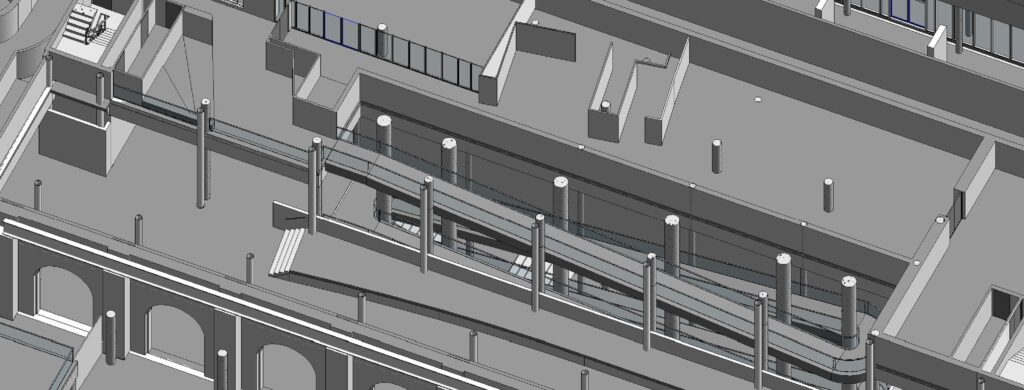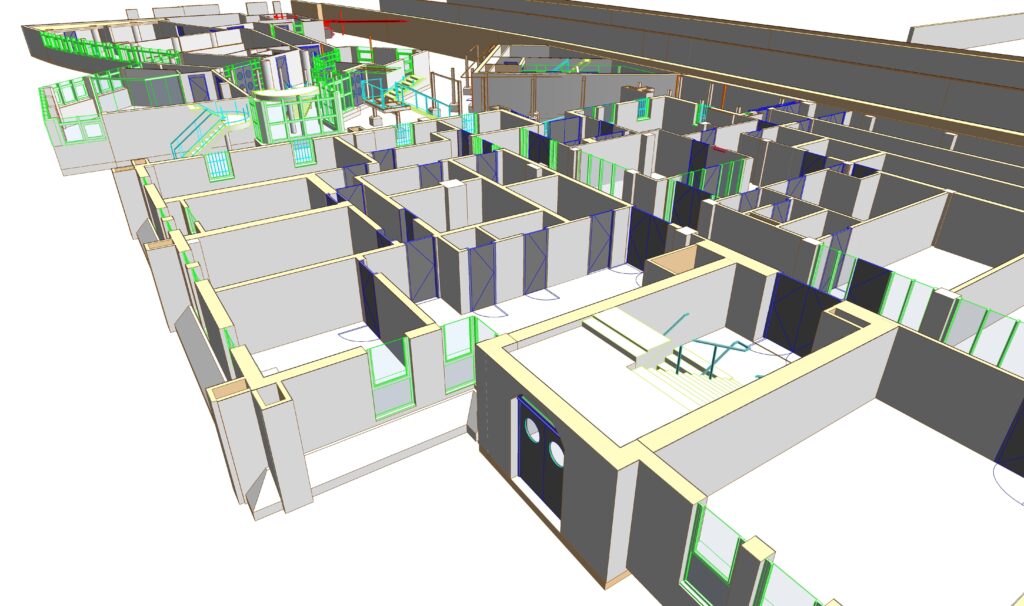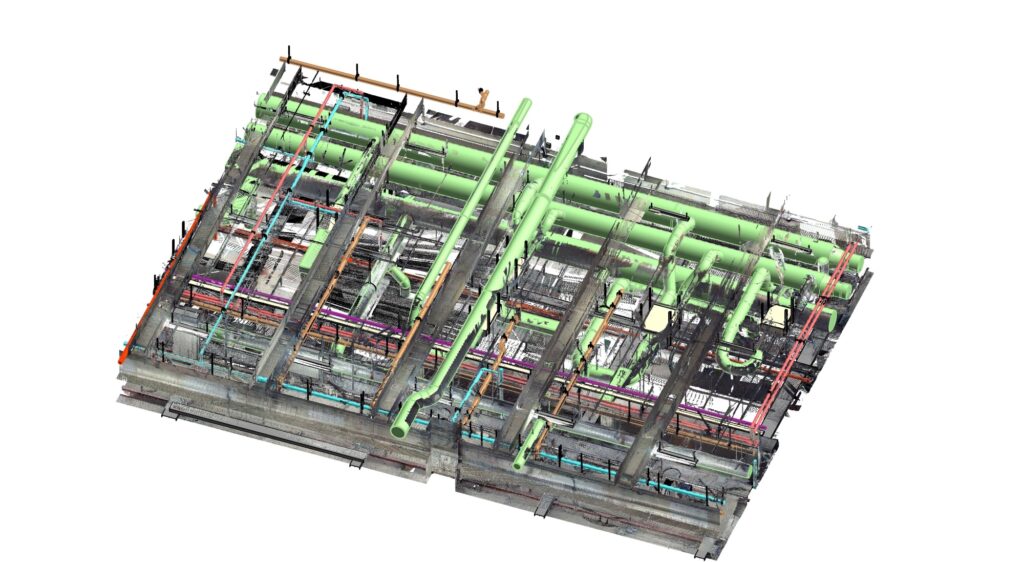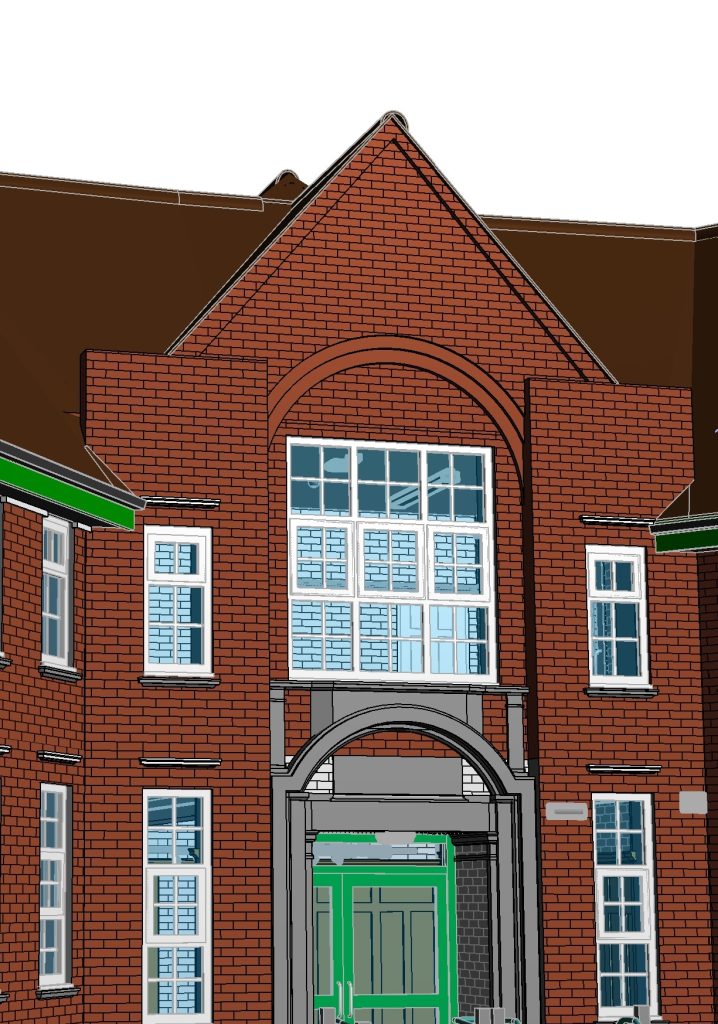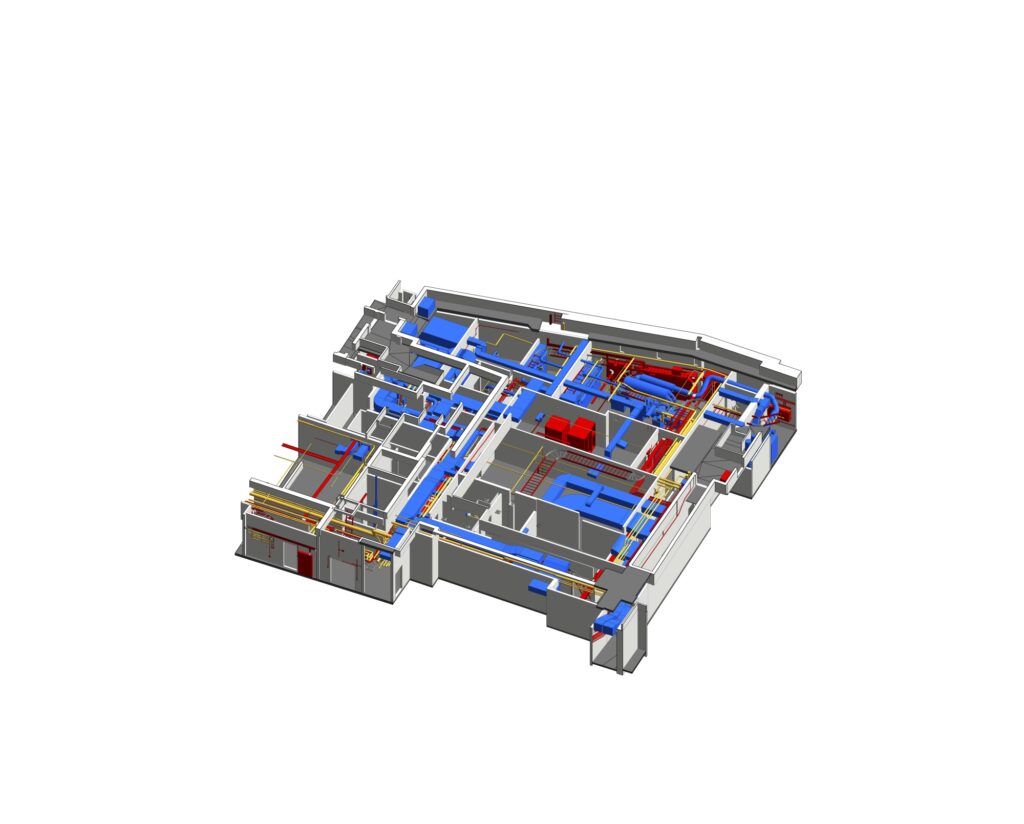

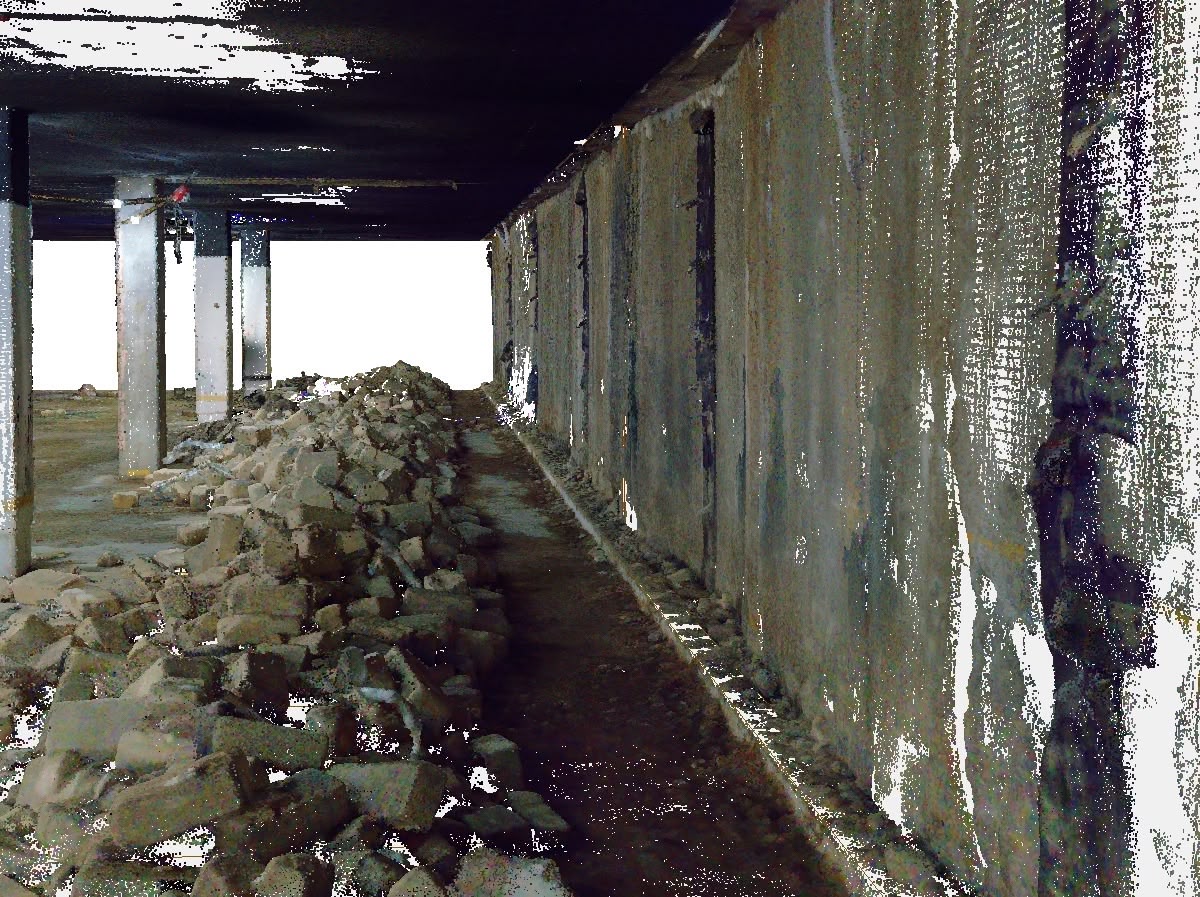
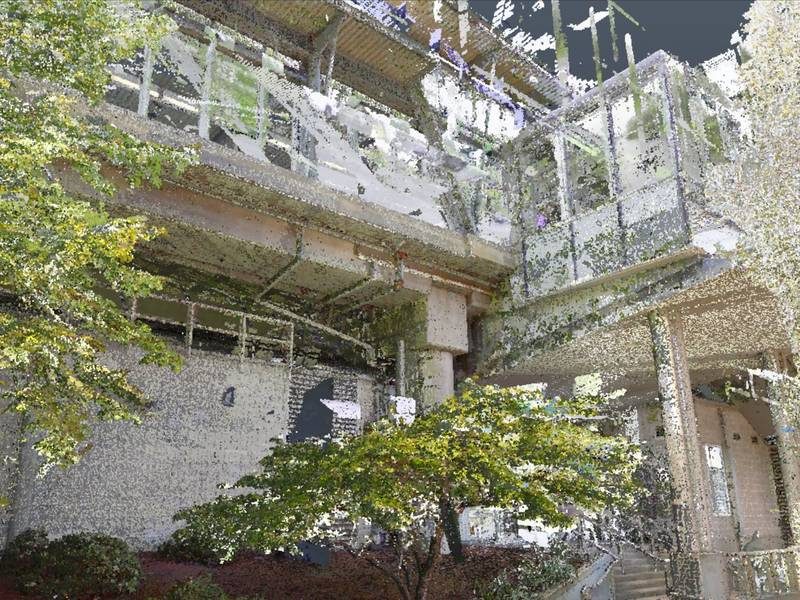
Architectural scan to BIM services transform point clouds of existing buildings into Revit models at LOD 200–400, from homes, offices, and hospitals to historic sites and infrastructure. ViBIM specializes in architectural BIM services from point clouds for survey firms and architects, and its models support renovation, historic preservation, and facility management.
The architectural models accurately represent the existing building’s walls, columns, floors, ceilings, doors, windows, decorative details, and other architectural features. You receive a native Revit model checked against your scan, with IFC or 2D drawings on request.
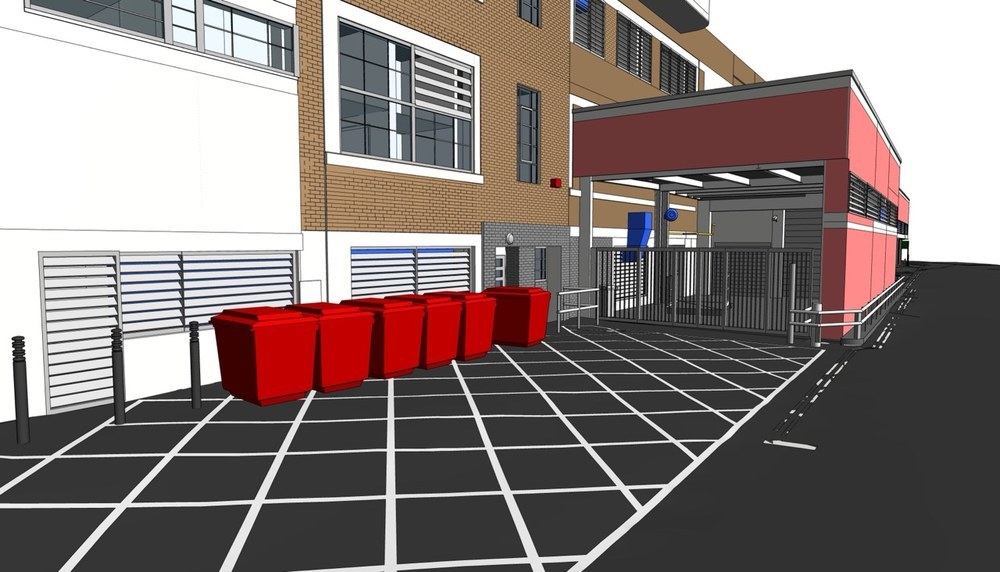
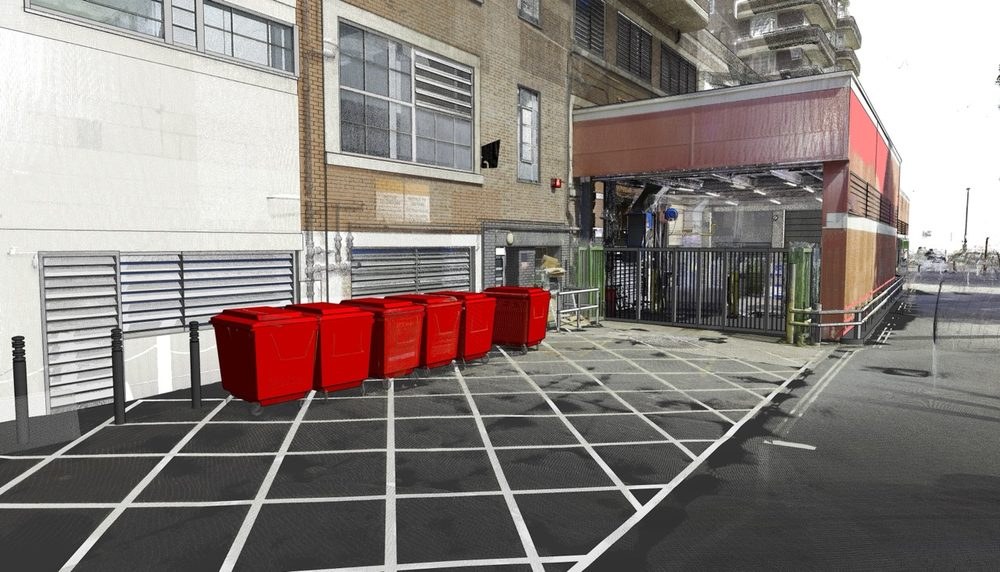
As Seen On
 Coruzant Technologies
— ViBIM scan to BIM case study, modeling ultra-dense MEP systems for a US factory.
 The Architect's Diary
— ViBIM cited for point cloud to BIM expertise in federated BIM coordination.
 BizzBuzz
— ViBIM cited for scan to BIM precision on renovation and retrofit projects.
 TechBullion
— ViBIM experts break down LOD 300 vs LOD 350 for scan to BIM models.
 Urban Splatter
— ViBIM featured as a scan to BIM company across architecture, structure and MEP.
 Today News
— ViBIM named a Revit outsourcing partner for electrical BIM modeling from point cloud data.
Architectural scan to BIM services from ViBIM give survey and AEC firms reliable Revit models, on-time delivery, and clear communication from quote to handover.
Architectural elements modeled from point cloud data cover the building envelope and interiors, including walls, floors, roofs, ceilings, openings, stairs, and decorative details. ViBIM models each element with native Revit categories and families. A scan only captures surfaces, so hidden layers, materials, and construction types are modeled from your drawings or specifications. The five element groups are described below:
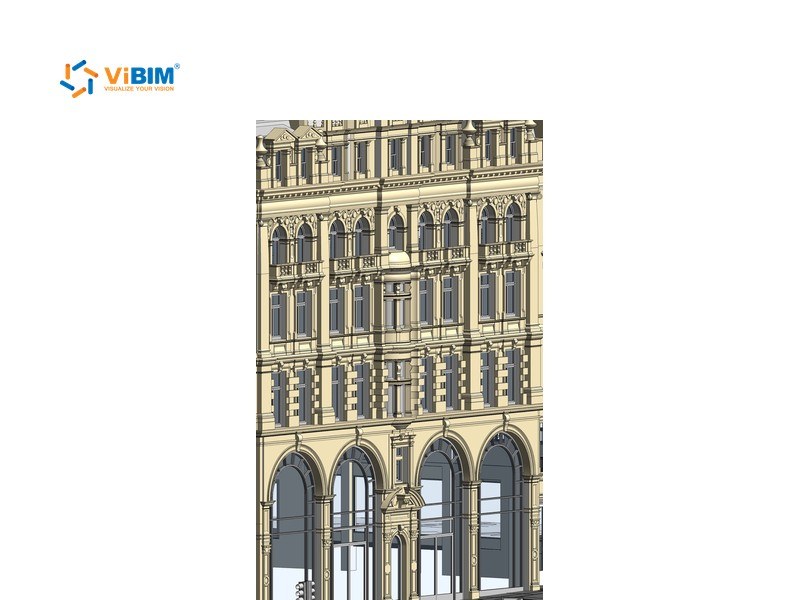
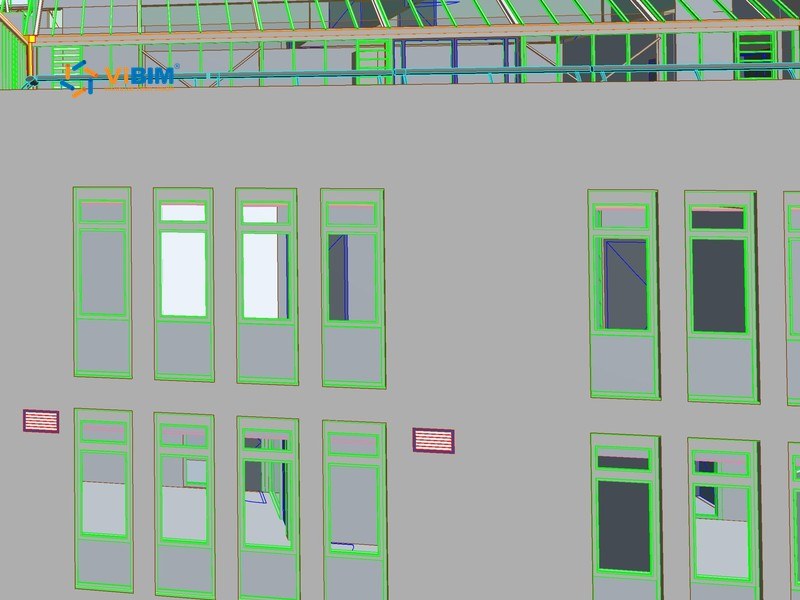
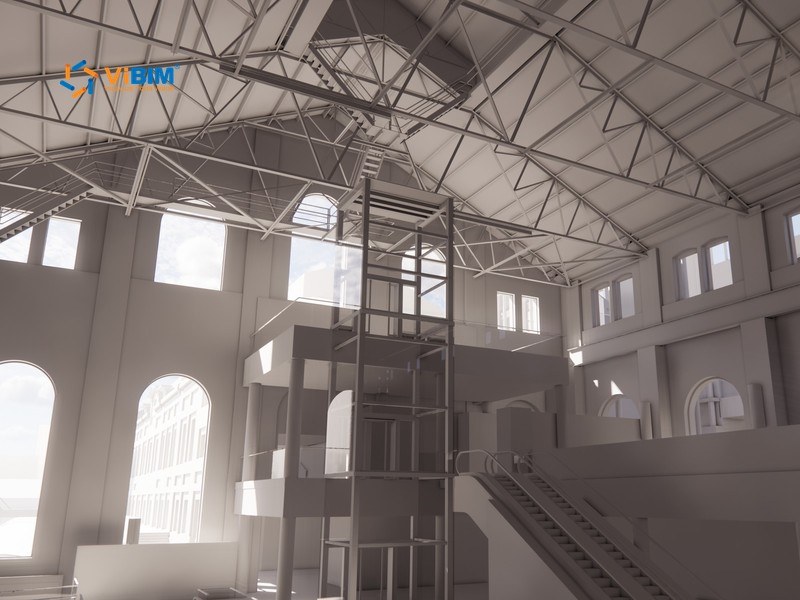
We model walls from basic geometry at LOD 200 to multi-layered structures at LOD 400. Each wall has accurate layers, a clear type name, and the correct Revit function, such as exterior or interior. Walls are split at each level, so plans and schedules stay consistent floor by floor. Curved and sloped walls follow their scanned shape rather than being reduced to straight, vertical segments.
We accurately model floors, roofs, and ceilings with Revit system families, separating core and finish layers to match your specifications and the project’s construction standards.
From LOD 300, we use loadable door and window families that match the exact point cloud geometry and avoid model-in-place elements. The families stay manageable and reusable, and their type data can be scheduled or passed on for facility management.
We model stairs and railings primarily with Revit system families, so they accurately represent their construction type, such as precast or cast-in-place. Each stair is tied to its correct base and top levels, so it stays consistent from one floor to the next.
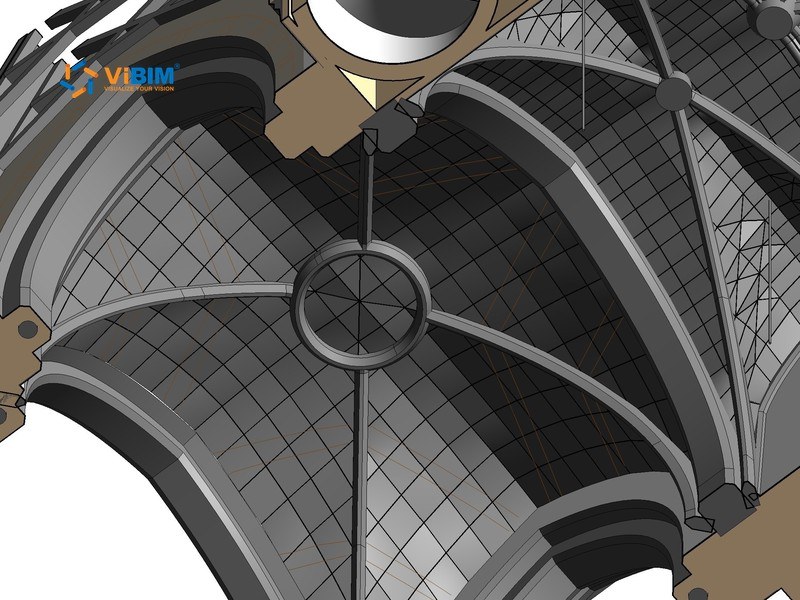
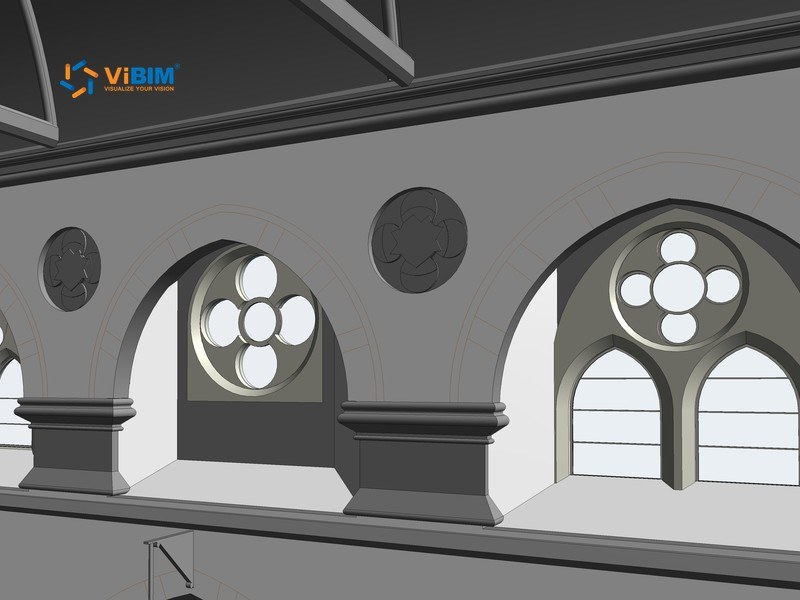
We model details such as moldings and cornices from the point cloud as Revit families in the correct category. Each detail can then be found and scheduled, which matters on historic or luxury projects that need a high LOD.
Architectural scan to BIM deliverables center on a native Revit model, with IFC exports and 2D drawings added when your project needs them. In an architectural scan to BIM service, ViBIM exports every file from the same model, so the files match. The three outputs are described below:
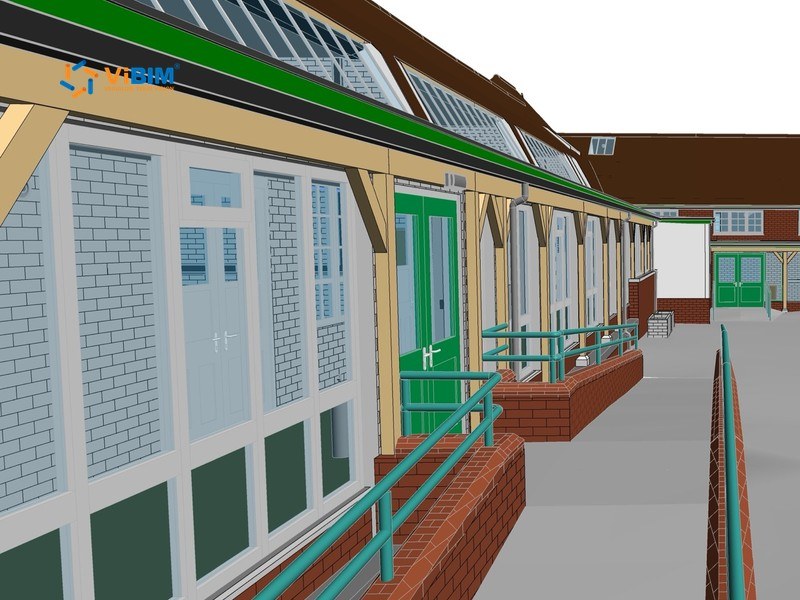
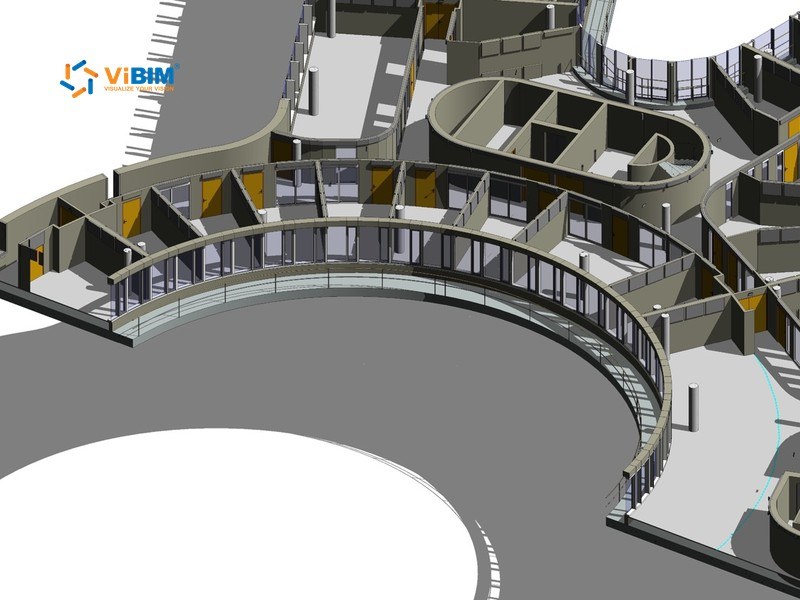
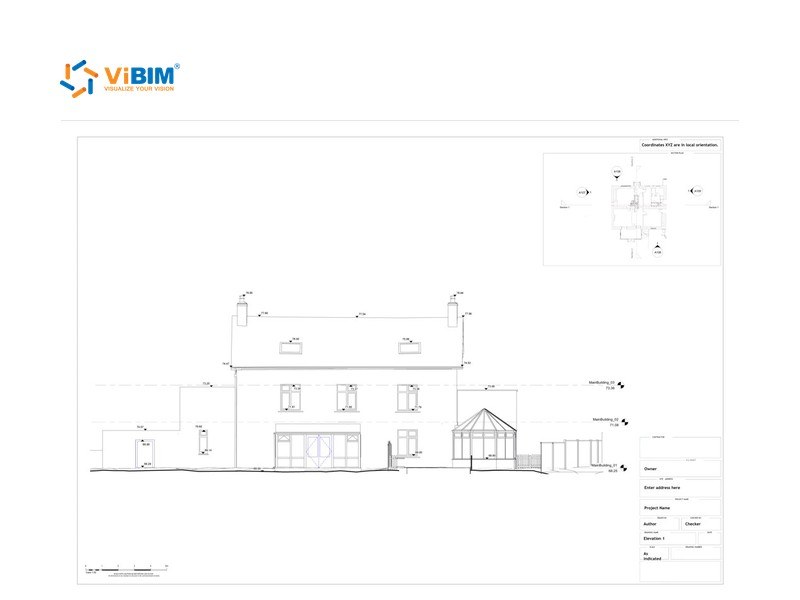
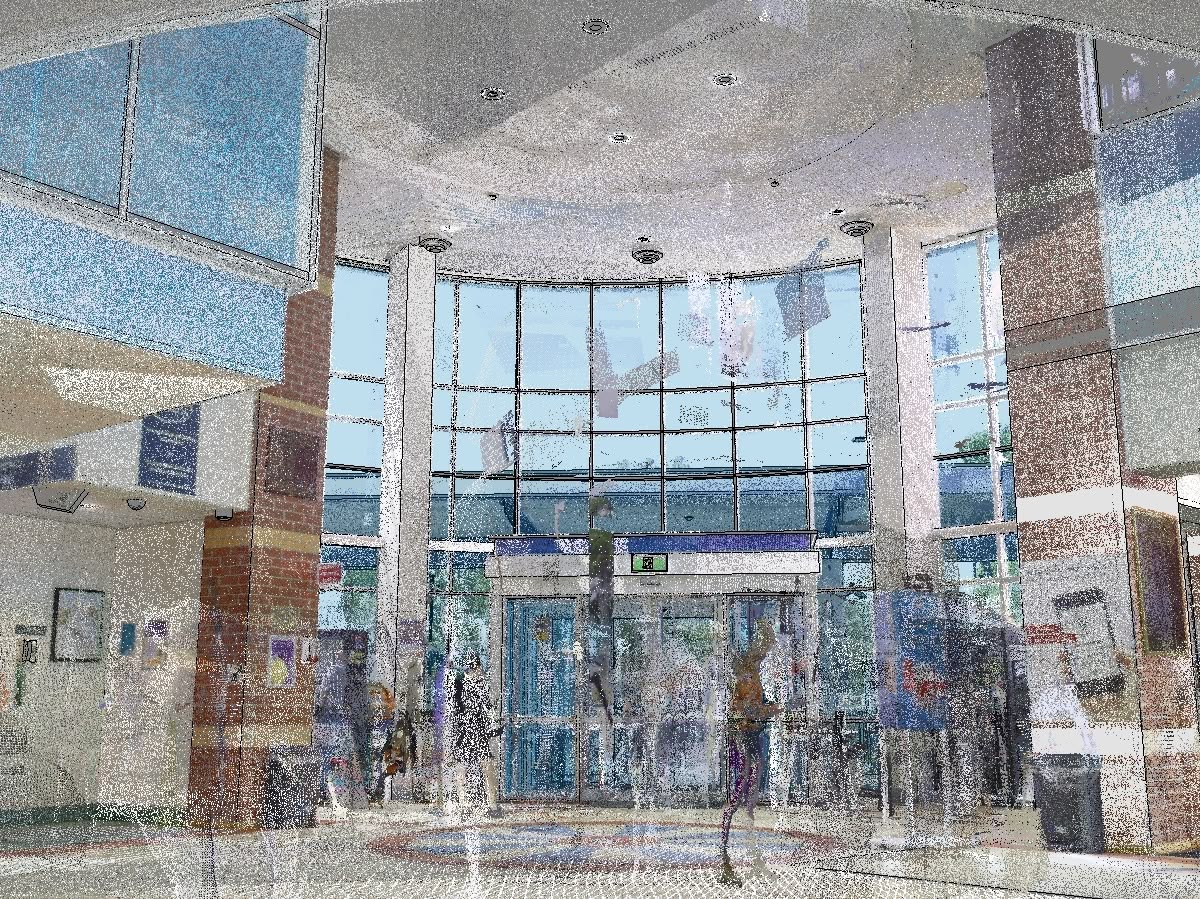
The architectural point cloud to BIM process turns the laser scan data you send into a parametric Revit model of the existing building. ViBIM runs it in seven steps, from agreeing on the scope and preparing the scan to modeling, detailing, quality checks, and handover. The seven steps are explained below:
We agree on the project objectives, the required level of development and information (LOD/LOI), the files you need, and the model-to-scan tolerance before modeling starts.
We clean the point cloud and align it with the project’s reference levels and grids, so modeling starts from an accurate, stable base. We prepare the scans in Autodesk ReCap Pro and use Leica TruView panoramas as a visual reference. If your scans are unregistered, we add registration to the scope before work starts.
Our skilled modelers use the prepared point cloud to build an accurate 3D architectural BIM model in Revit. Where furniture hid a wall or ceiling, or a locked room kept the scanner out, the modelers mark that area for your decision instead of guessing its shape.
We add the architectural details, decorative features, and fixed furnishings included in the scope. When a molding, cornice, or door profile has no matching Revit family, we build one from the scan and reuse it across the building.
When specified, we add non-graphical information, such as materials, wall types, and door and window type data, to the model elements. The information follows the project’s required Level of Information.
ViBIM checks the architectural model for geometric accuracy, missing elements, and compliance with the agreed standards before your team reviews it.
Your team reviews the model, and ViBIM resolves the comments before sending the final files through your project’s secure transfer channel. After handover, ViBIM fixes errors caused by its own modeling at no cost under its five-year modeling warranty.
In architectural scan to BIM, you choose the model-to-scan tolerance and LOD that set the model’s accuracy and detail, then reviewers check the model against your scan before delivery. ViBIM follows your BEP first and uses the standards listed below for anything your BEP does not cover. Each control is described below:
You choose the BIM level of development (LOD) for each element group, from LOD 200 to LOD 400. You also set a model-to-scan tolerance of 50, 30, or 15 mm (about 2, 1.2, or 0.6 in), or a custom value from your spec. The table shows what each LOD includes:
| Element group | LOD 200 | LOD 300 | LOD 400 |
|---|---|---|---|
| Walls | Overall thickness | Thickness with simplified detail | Adds sills, chair rails, paneling, baseboards, and moldings |
| Floors and slabs | Overall thickness | Thickness of the floor structure | Adds joists, blocking, ribs, and coffers |
| Roofs | Overall thickness | Chimneys, skylights, and dormers | Adds soffits, fascias, gutters, and conductor heads when requested |
| Ceilings | Ceiling grid as a surface pattern | Actual grid layout, soffits, and ceiling layers | Adds cornices, ceiling medallions, and coffers |
| Doors | Rough openings only | Generic families, vision panels, swing direction | Custom families with thresholds and casings |
| Windows | Rough openings only | Generic families with frames and glazing | Custom families with sills and casings |
| Stairs and ramps | Generic treads, risers, stringers | Measured treads, risers, stringers | Adds nosings, materials, and brackets |
| Railings and balustrades | Top rail only | Simplified rail profiles, posts, and balusters | Detailed posts, balusters, and rail profiles |
ViBIM’s in-house QA/QC tool first flags missing, misaligned, and out-of-tolerance elements. Two reviewers then check wall faces, floor levels, openings, and ceiling heights against the point cloud at your tolerance. Anything outside the tolerance is corrected before delivery.
The list covers US and international BIM standards, along with your own:
Architectural scan to BIM services from ViBIM support renovation design, historic records, coordination with other disciplines, and quantity takeoff on existing buildings. Because the architectural BIM model reflects the building as it stands, teams plan this work on measured conditions instead of old drawings. Each use is outlined below:
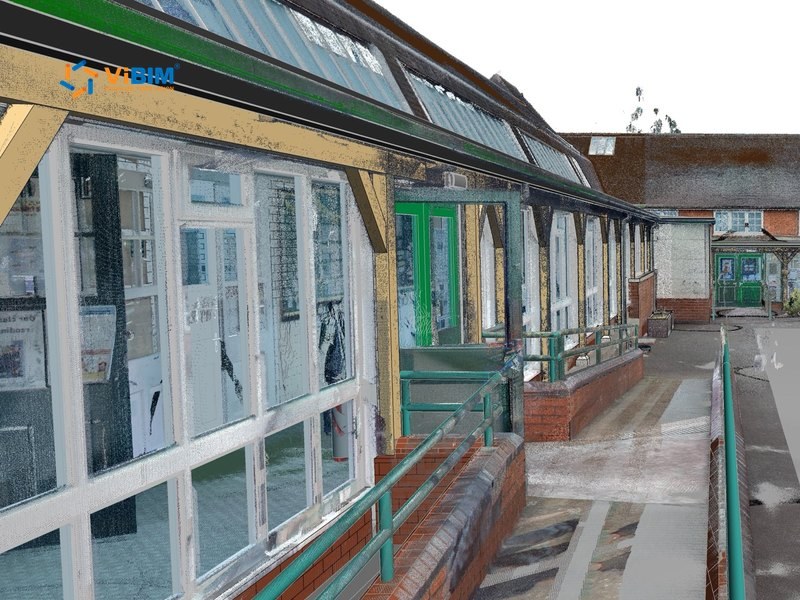
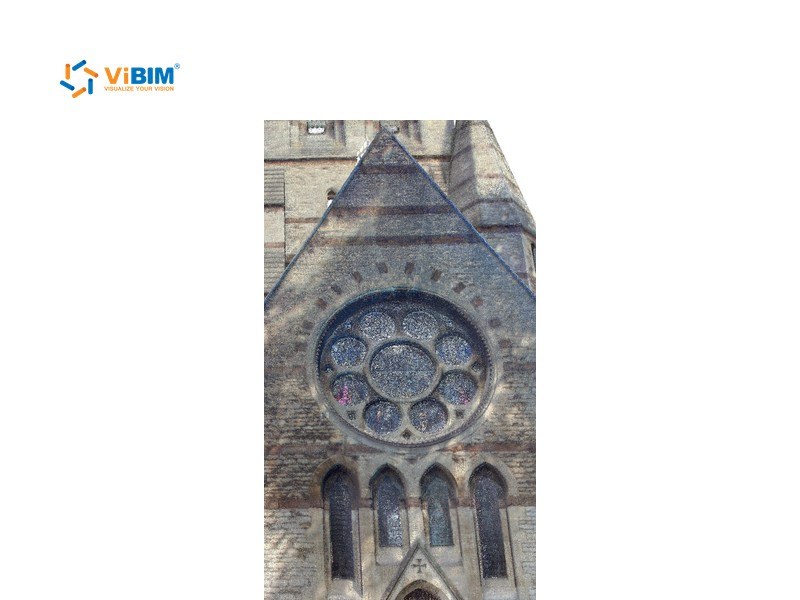
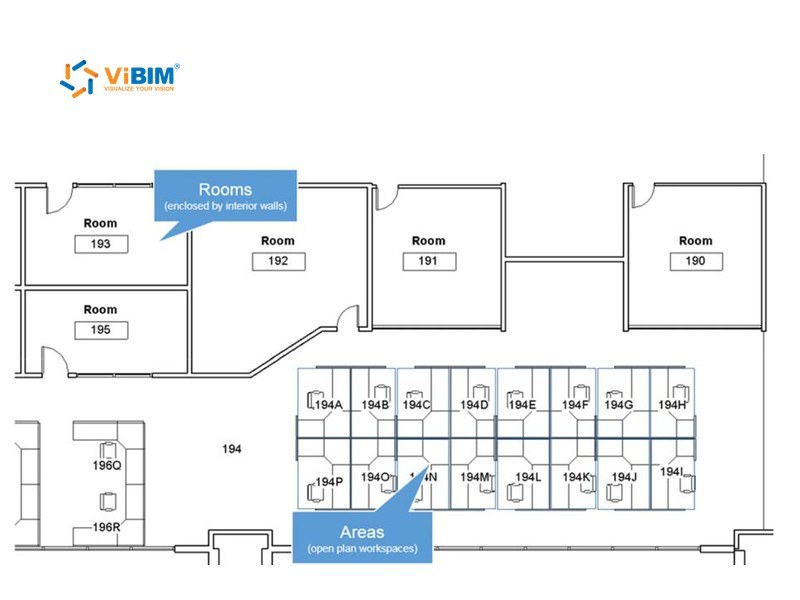
Architects and designers use the model’s accurate record of existing walls, floors, columns, ceilings, and decorative features as a reliable basis for design decisions. They can test layouts and space use against the measured building, then carry the same model into schematic design and design development.
Moldings, cornices, wall paneling, and column capitals are modeled from their scanned profiles, so historic buildings can be recorded at their measured dimensions in plans, sections, and elevations.
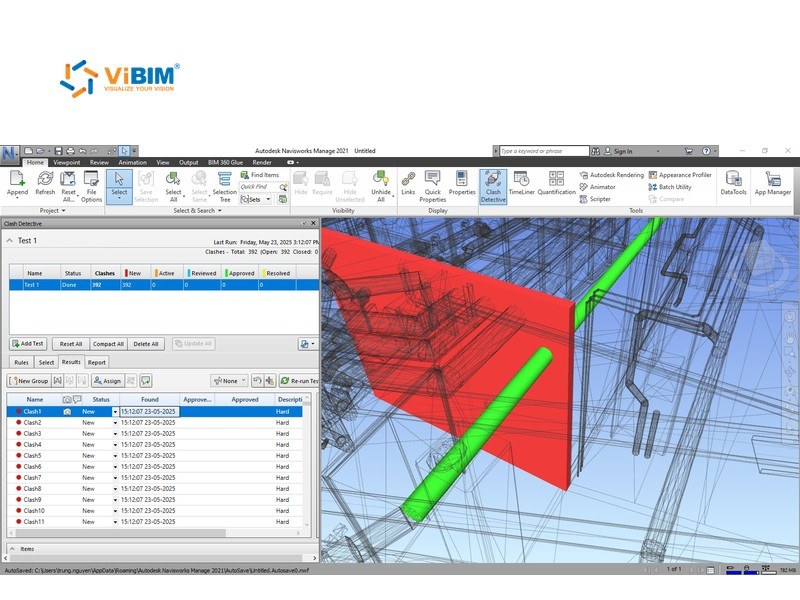
A shared architectural model gives structural and MEP teams a measured reference, so they can find clashes during coordination before construction starts. If your teams use Autodesk Construction Cloud, see how ViBIM supports BIM collaboration using ACC.
Every component sits in the correct Revit category, so walls, floors, doors, and windows can be scheduled and counted. Those schedules support cost estimation and consistent drawing production.
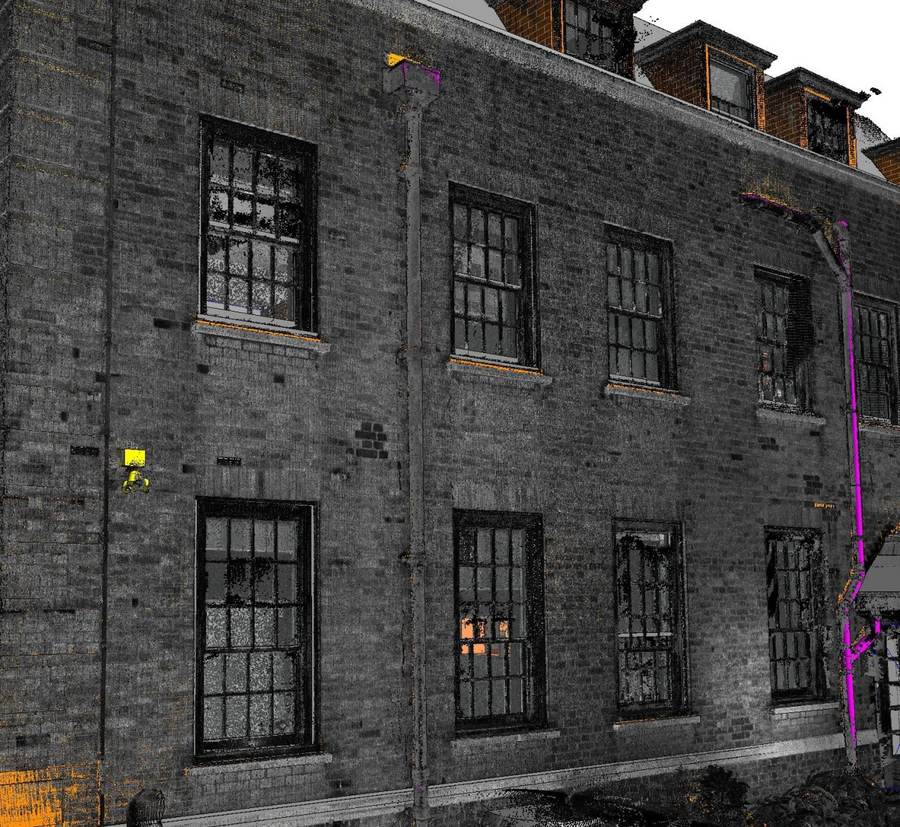
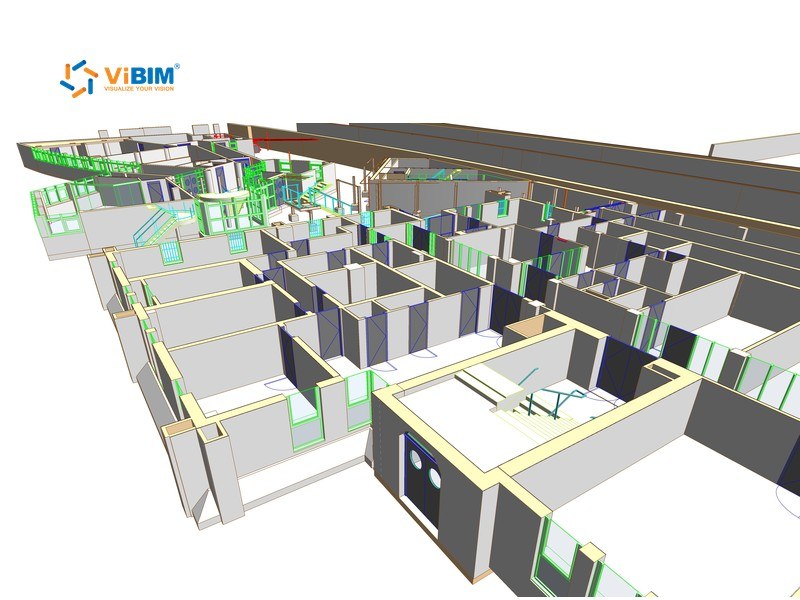
ViBIM’s featured architectural scan to BIM projects show building envelopes and interiors ready for design and renovation work. Each project was modeled from the client’s point cloud and is one of the 1,000+ BIM projects the company has completed since 2014.
The advantages of choosing ViBIM’s Revit BIM modeling services for architectural projects are delivery planned by floor area and detail, scan-checked models, and one dedicated project manager. Each advantage is described below:




99% of ViBIM projects, across all disciplines, are delivered on schedule. For architectural work, delivery dates are based on floor area, the amount of custom detail, and your review time. A dedicated project manager tracks each date through handover.

ViBIM’s turnaround is 30% faster than the market average. Doors, windows, and other repeated elements are built once as reusable Revit components, and in-house tools cut manual modeling work.

Every ViBIM modeler holds a degree in architecture or civil engineering and completes in-house BIM training. Each model is checked against your scan for geometry and naming errors before handover, so your team flags fewer issues during review.

Emails about your architectural model are answered promptly, during business hours, in the evening, or over the weekend. One dedicated project manager stays with your project from kickoff to handover and works to your time zone.

Automation, AI, and streamlined workflows help ViBIM keep refining its architectural modeling. After each project, ViBIM revises its automation scripts, modeling conventions, and QC checklists before the next project runs on them.

Pham Thanh is the founder and CEO of ViBIM, which he grew from three employees into a 30-strong BIM outsourcing team. Contributed to Vietnam’s first national BIM Guidelines (Ministry of Construction, 2017). MBA, Solvay Brussels School of Economics and Management (2012); Bachelor of Architecture, ABAC University (2008); BIM Management Certificate, BCA Academy, Singapore (2014).

Do Van Yen is ViBIM’s Architectural Team Leader and one of its first three specialists, working with the founder since 2011. Has led architectural BIM modeling since 2014 and helped build the company’s Scan to BIM services and standards from the start. Civil Engineering, University of Transport and Communications.

Nguyen Tien Trung is ViBIM’s Structural Team Leader and manages the company’s BIM standardization system, leading structural modeling on its largest, most complex projects. Construction Engineering, Hanoi University of Civil Engineering (2019).

Truong Van Huong is ViBIM’s MEP Team Leader, leading mechanical, electrical and plumbing BIM modeling and coordination. Brings years of hands-on MEP design and implementation experience to large, complex project delivery. Bachelor’s in Electrical Engineering, specializing in Electrical Systems (2018).

Truong Quoc Trung is ViBIM’s Project Manager and one of its first-generation modelers, with the company since 2018. Runs its medium to large-scale BIM projects end to end and mentors new modelers. Practical Engineer’s degree in Civil Engineering, Construction Technical College No. 1 (2017).
An architectural scan to BIM quote needs four items from your team. ViBIM returns the quote within 12–24 hours of receiving them. The four items are listed below:
If structure or MEP also need modeling from the same scan, ViBIM’s scan to BIM services can price every discipline in one quote. Tell us if you need an NDA before sharing project files.
Ready to Start Your Architectural Scan to BIM Project?
Share your point cloud and the items above to get a quote, or test ViBIM first with a free trial on a sample of your scan.

Architectural scan to BIM services across the USA and worldwide follow the standards named in each project’s contract or BEP. US projects often name the BIMForum LOD Specification for model detail, while UK and EU projects often follow ISO 19650 for information management. The markets ViBIM serves are shown below:

United States

United Kingdom

Canada

Australia

European Union
The US states and cities we serve are shown below:
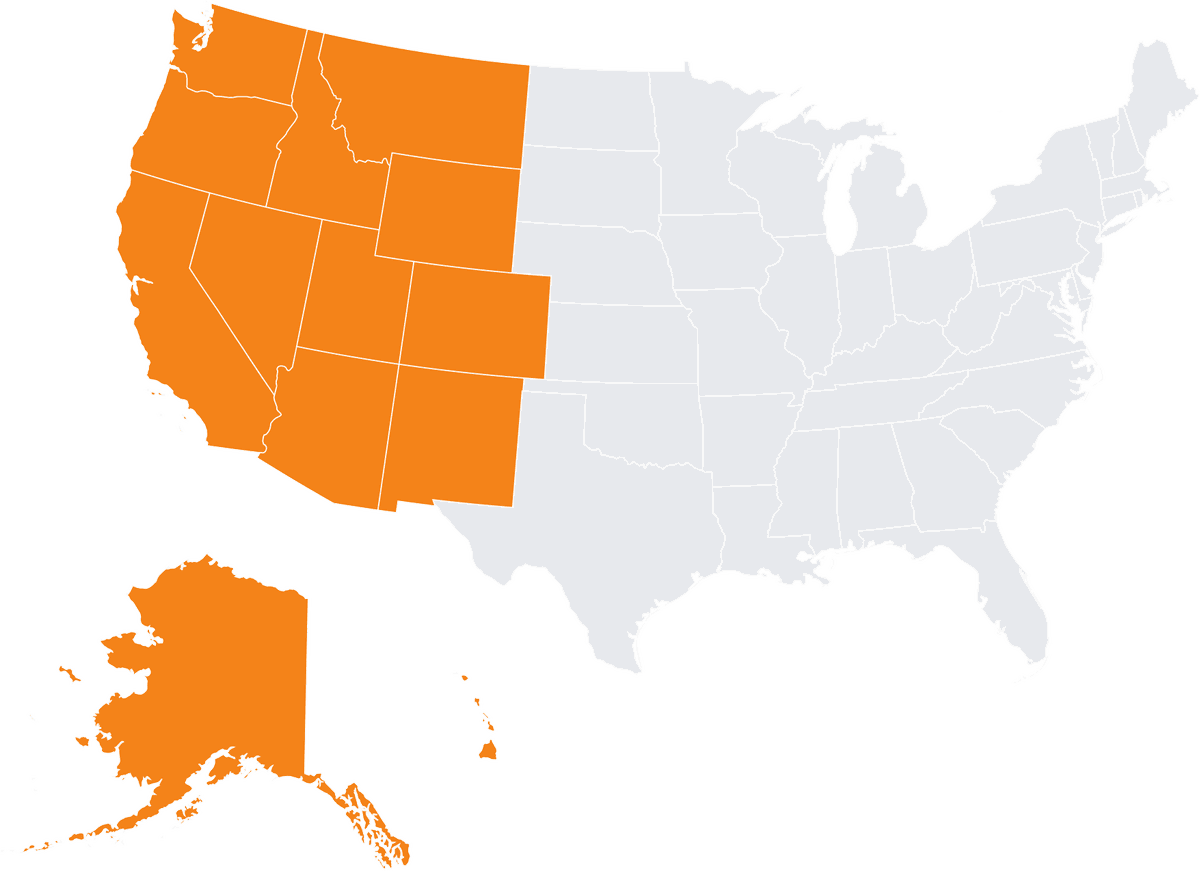
Alaska
Arizona
California
Colorado
Hawaii
Idaho
Montana
Nevada
New Mexico
Oregon
Utah
Washington
Wyoming
Irvine
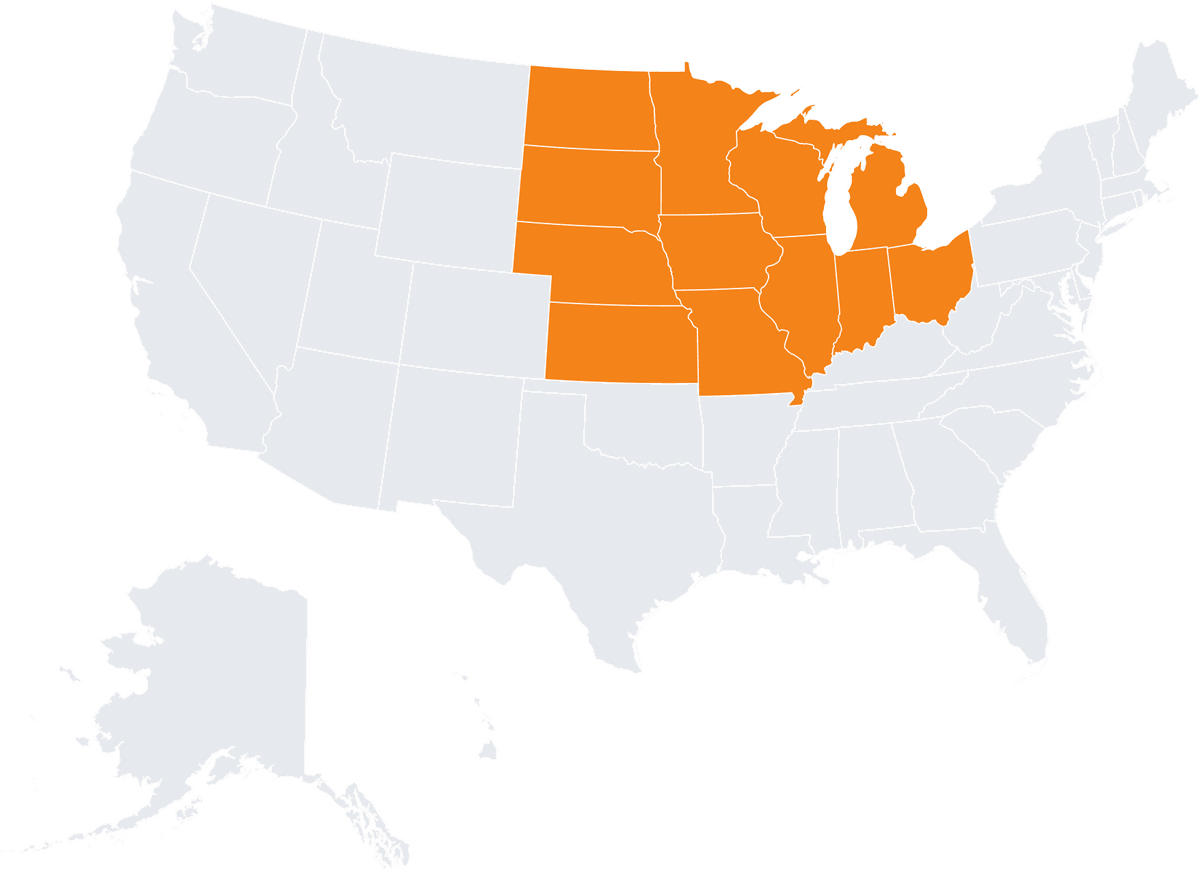
Illinois
Indiana
Iowa
Kansas
Michigan
Minnesota
Missouri
Nebraska
North Dakota
Ohio
South Dakota
Wisconsin
Chicago
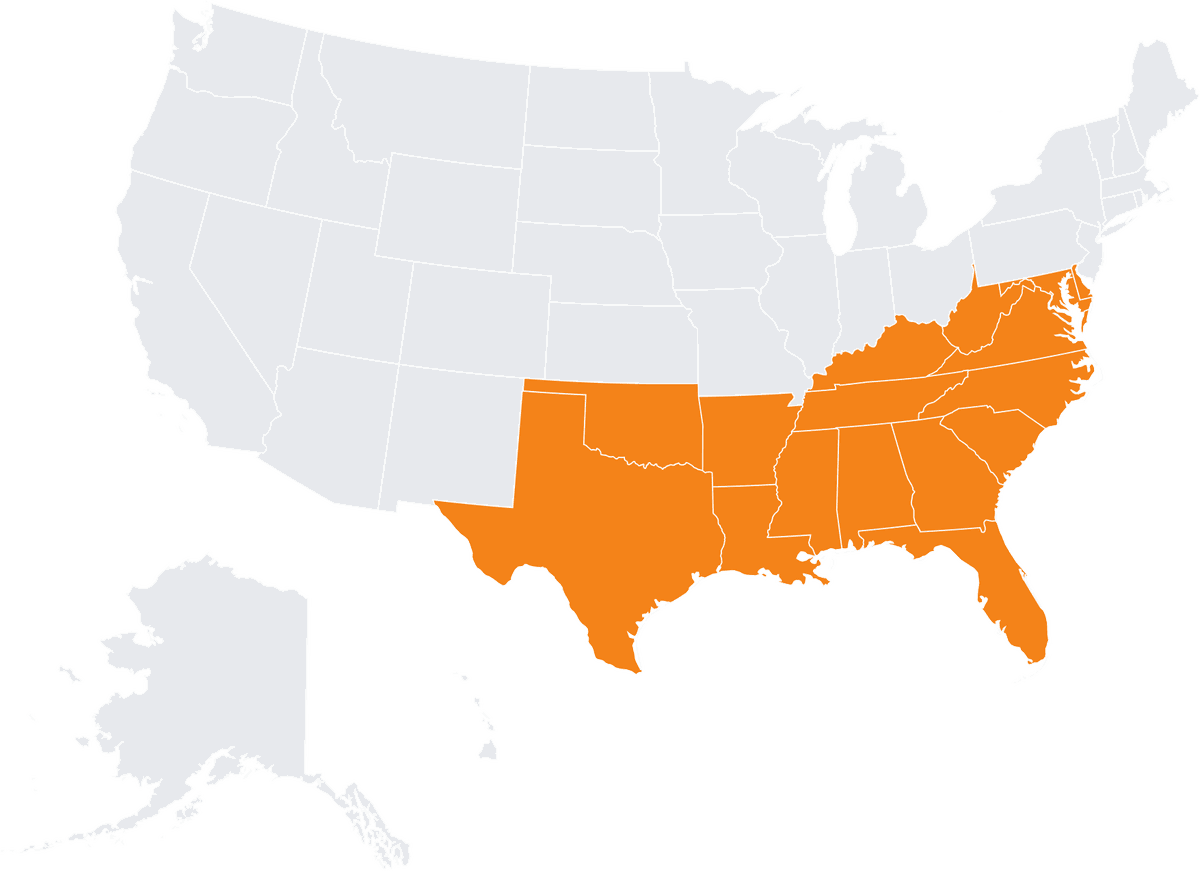
Alabama
Arkansas
Delaware
Florida
Georgia
Kentucky
Louisiana
Maryland
Mississippi
North Carolina
Oklahoma
South Carolina
Tennessee
Virginia
West Virginia
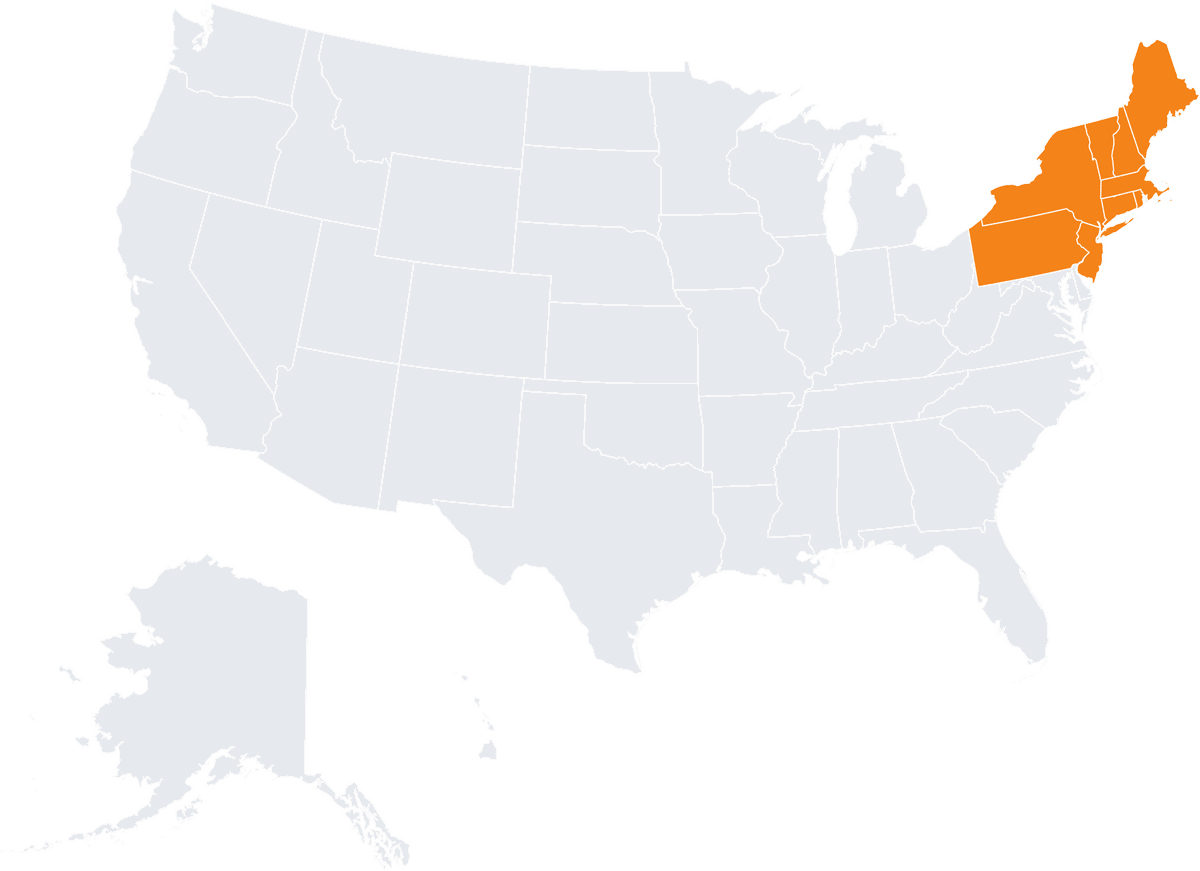
Connecticut
Maine
Massachusetts
New Hampshire
New Jersey
New York
Pennsylvania
Rhode Island
Vermont
Boston

The Architectural BIM Modeling Review Checklist gives your team a list of points to check in an architectural Revit model before accepting it.
The architectural scan to BIM services FAQs below cover what the discipline includes, historic details, LOD choice, 2D drawings, areas the scan missed, model accuracy, and pricing.
Architectural scan to BIM is the scan to BIM discipline that covers the parts of an existing building architects design and renovate. Firms that buy architectural BIM services for an existing building receive a Revit model of its envelope, interior layout, and finishes. The three building disciplines are listed below:
When a project needs more than one discipline, ViBIM models all of them from the same point cloud and combines them into one federated model.
Yes. At LOD 400, we model each molding, cornice, or capital from its scanned profile. The same family is then reused wherever that detail repeats in the building.
LOD 300 is the usual choice for renovation design, since it gives you measured stairs and the actual ceiling layout instead of generic shapes. Choose LOD 400 when custom trim, casings, cornices, or other historic details must be modeled and scheduled. Each element group can have its own LOD.
Yes. The drawings are cut from the Revit model, so they match it at delivery.
ViBIM marks those areas instead of guessing. You can send extra survey data or drawings, or approve a modeling assumption. Each assumption is noted in the model so no one mistakes it for scanned geometry.
The model sits within the tolerance you pick, from 50 mm down to 15 mm (about 2 to 0.6 in) or a value set in your spec. Trim, casings, and ceiling details depend on scan density, so a low-density mobile scan can cap the LOD they reach.
ViBIM quotes each project at an hourly rate or as a lump sum, based on the modeling hours estimated for the agreed scope. If you add elements, raise the LOD, or ask for more drawings, we confirm the effect on price and schedule before that work starts. Our Scan to BIM cost guide explains the main price factors.

START WITH A FREE TRIAL
Share your point cloud and project scope. We return a free trial model on your own data, plus a fixed quote, before you commit to anything.

Free trial model on your sample data
Scope, timeline and quote in 12–24 hours
NDA on request · secure file transfer