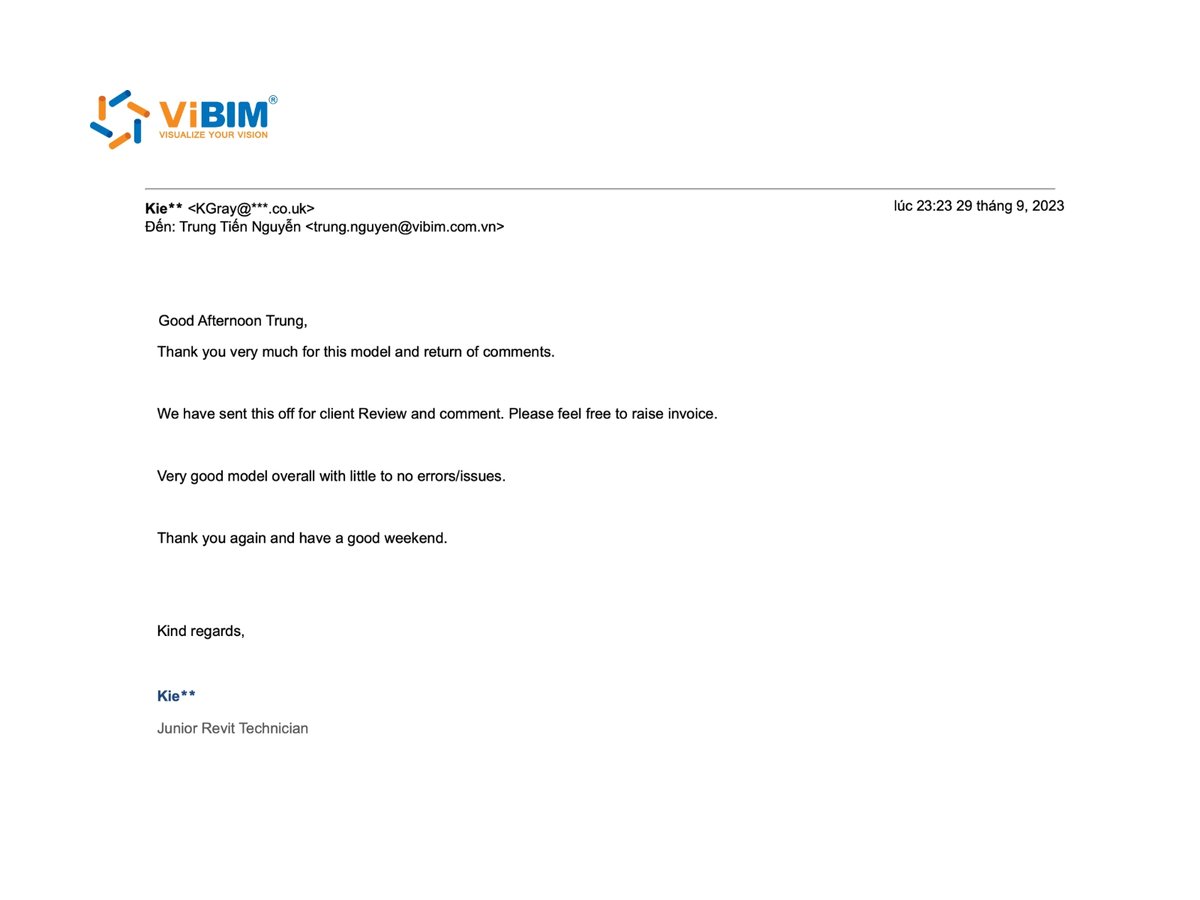
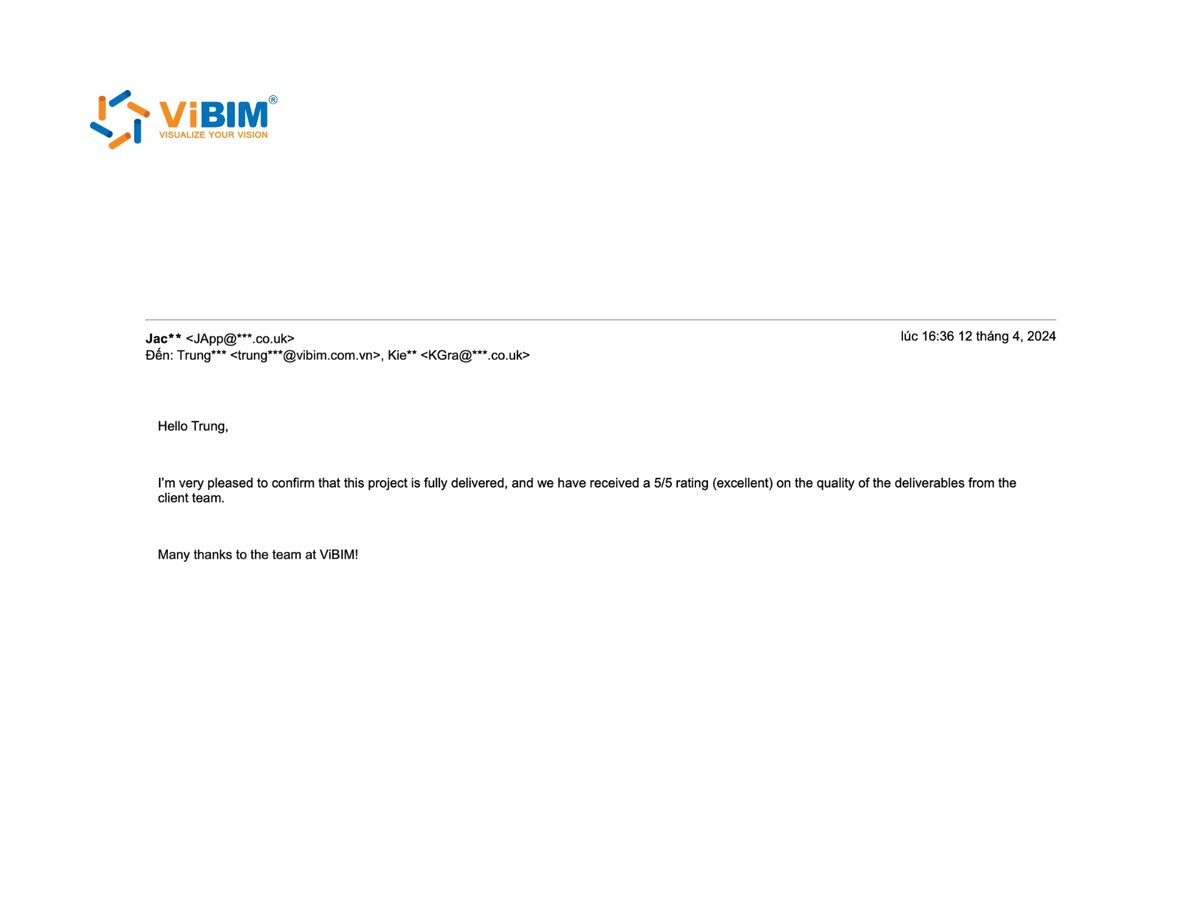


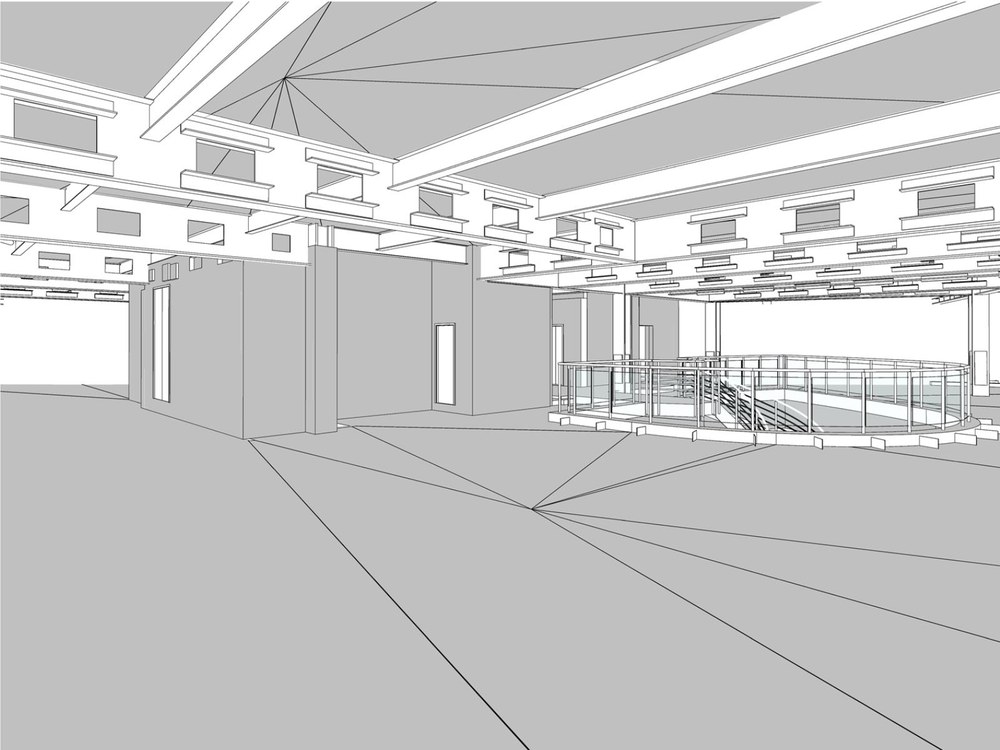
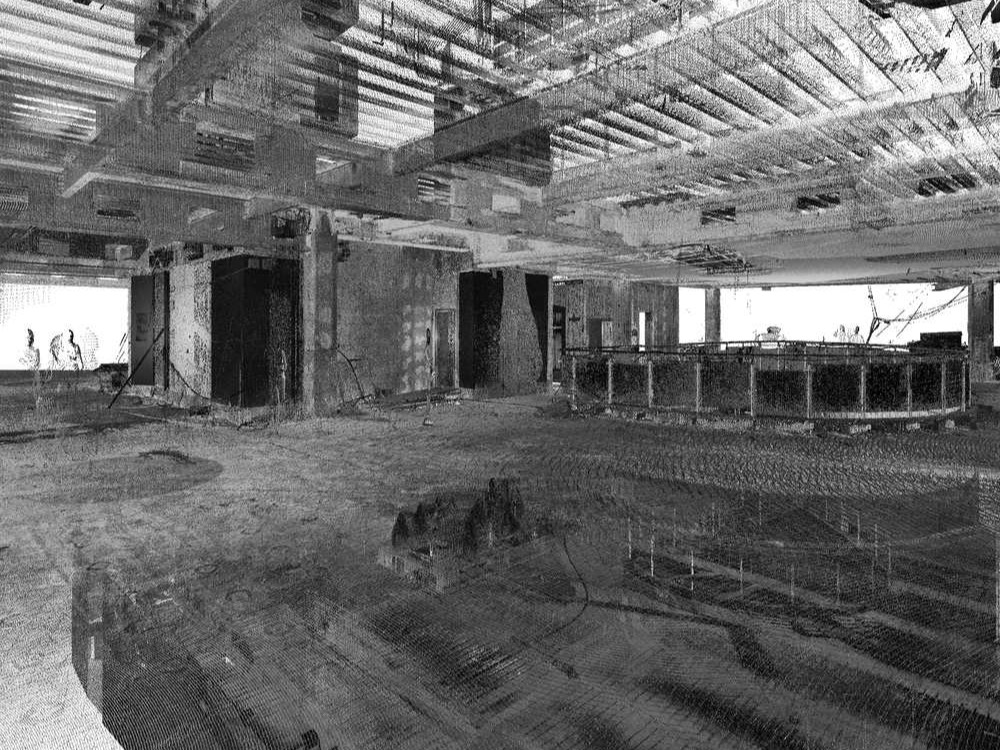
Scan to BIM services in Washington DC transform laser scan data from federal, historic, and commercial buildings into precise Revit BIM models of their architecture, structure, MEP systems, and site. ViBIM is a Revit BIM modeling service provider that builds every Revit model from laser scan point clouds, with 1,000+ BIM projects since 2014. Scanning firms, surveyors, and architects across DC, Northern Virginia, and Maryland send their scans to ViBIM, which models them remotely.
You receive a native Revit model built to your standards, with IFC, Navisworks, or 2D drawing sets on request, after ViBIM’s reviewers compare it with your scan. DC protects more than 750 historic landmarks and 50 historic districts through its Historic Preservation Review Board (HPRB). For HPRB concept review, which asks for existing condition plans, and for federal work under GSA BIM requirements, ViBIM models to the requirements your project sets. For downtown office conversions, the model gives architects verified existing conditions before demolition starts.
As Seen On
 Coruzant Technologies
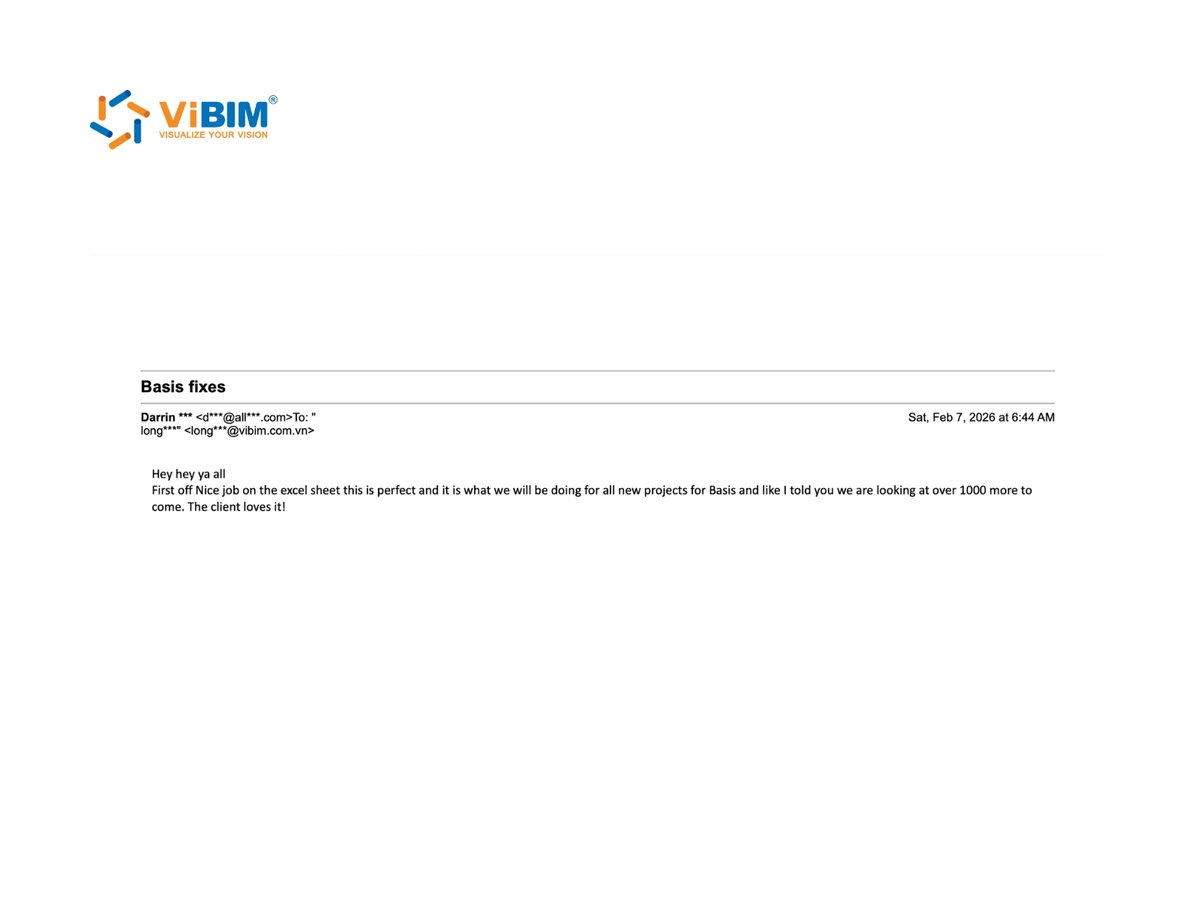
— ViBIM scan to BIM case study, modeling ultra-dense MEP systems for a US factory.
 The Architect's Diary
— ViBIM cited for point cloud to BIM expertise in federated BIM coordination.
 BizzBuzz
— ViBIM cited for scan to BIM precision on renovation and retrofit projects.
 TechBullion
— ViBIM experts break down LOD 300 vs LOD 350 for scan to BIM models.
 Urban Splatter
— ViBIM featured as a scan to BIM company across architecture, structure and MEP.
 Today News
— ViBIM named a Revit outsourcing partner for electrical BIM modeling from point cloud data.
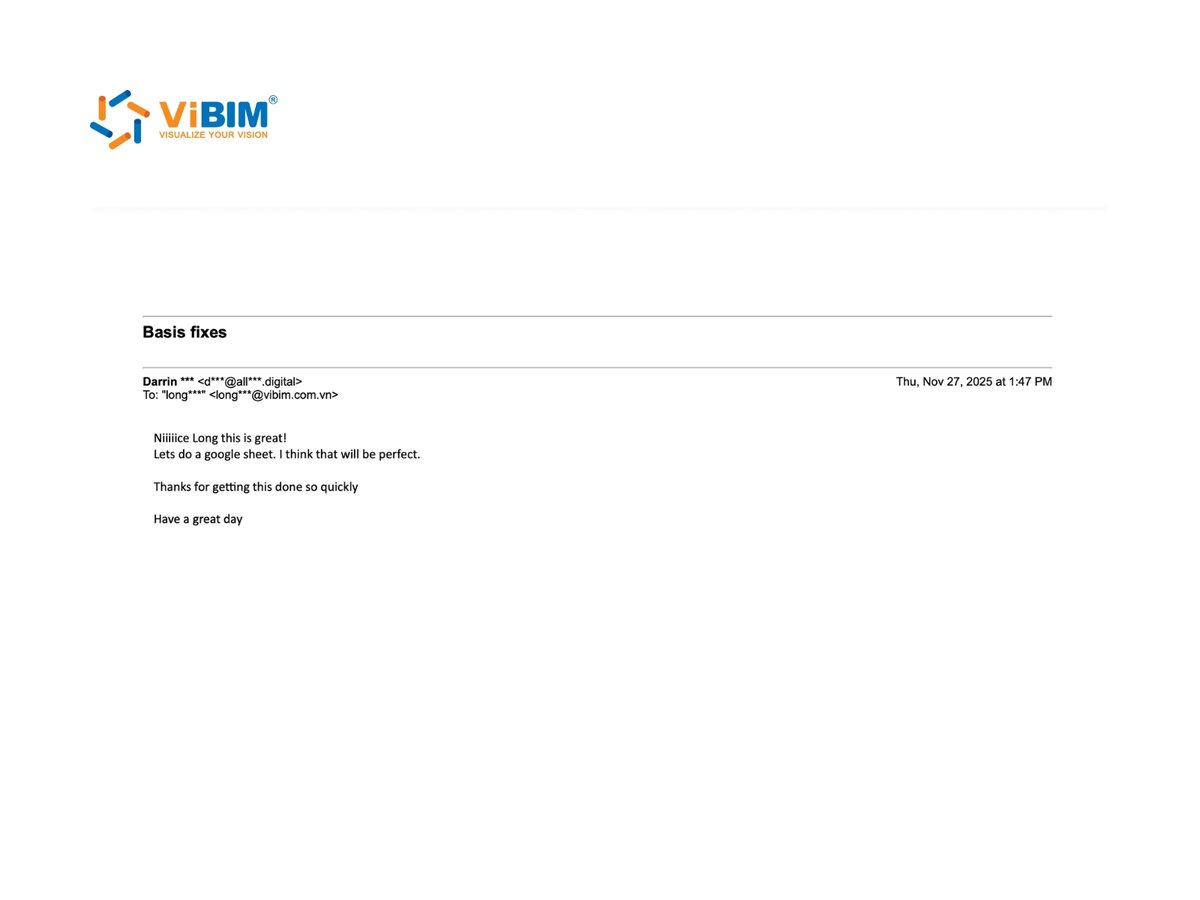
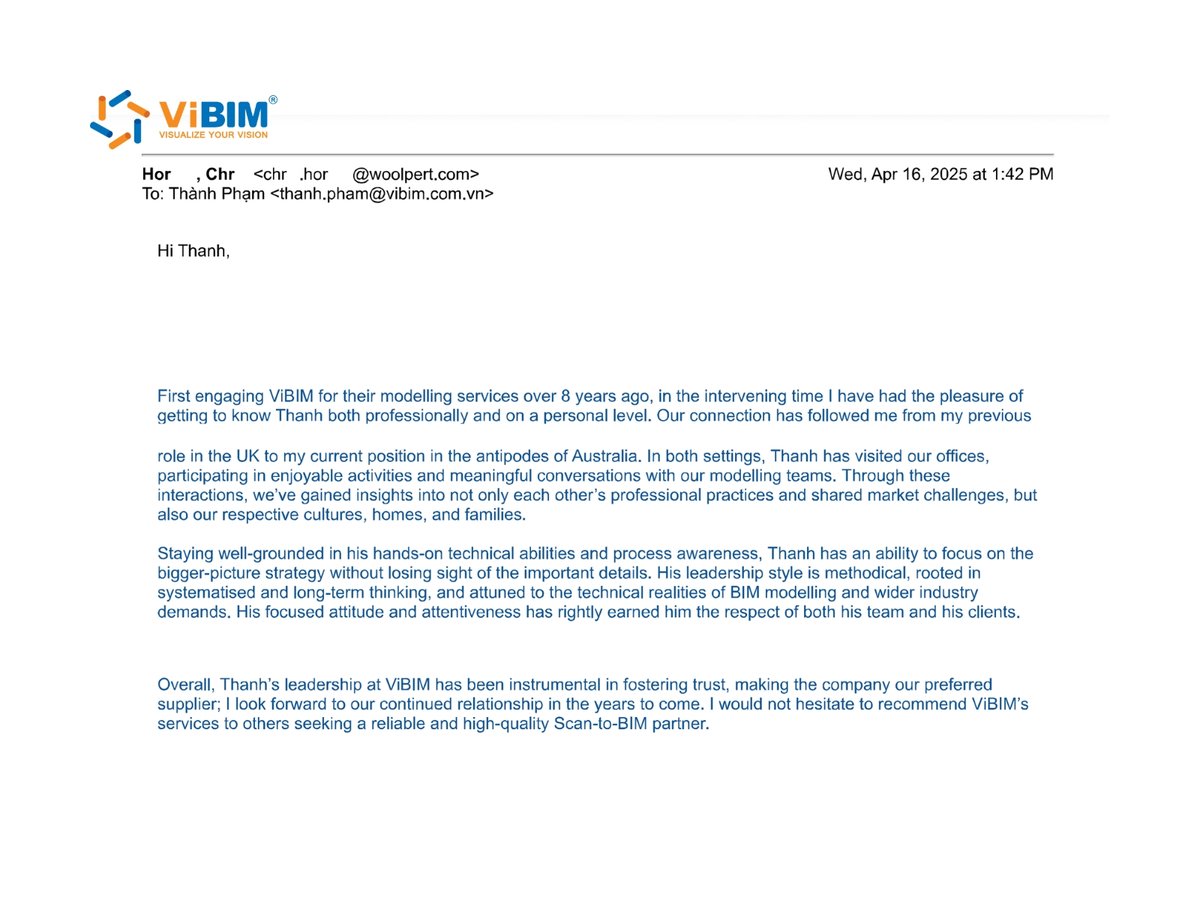
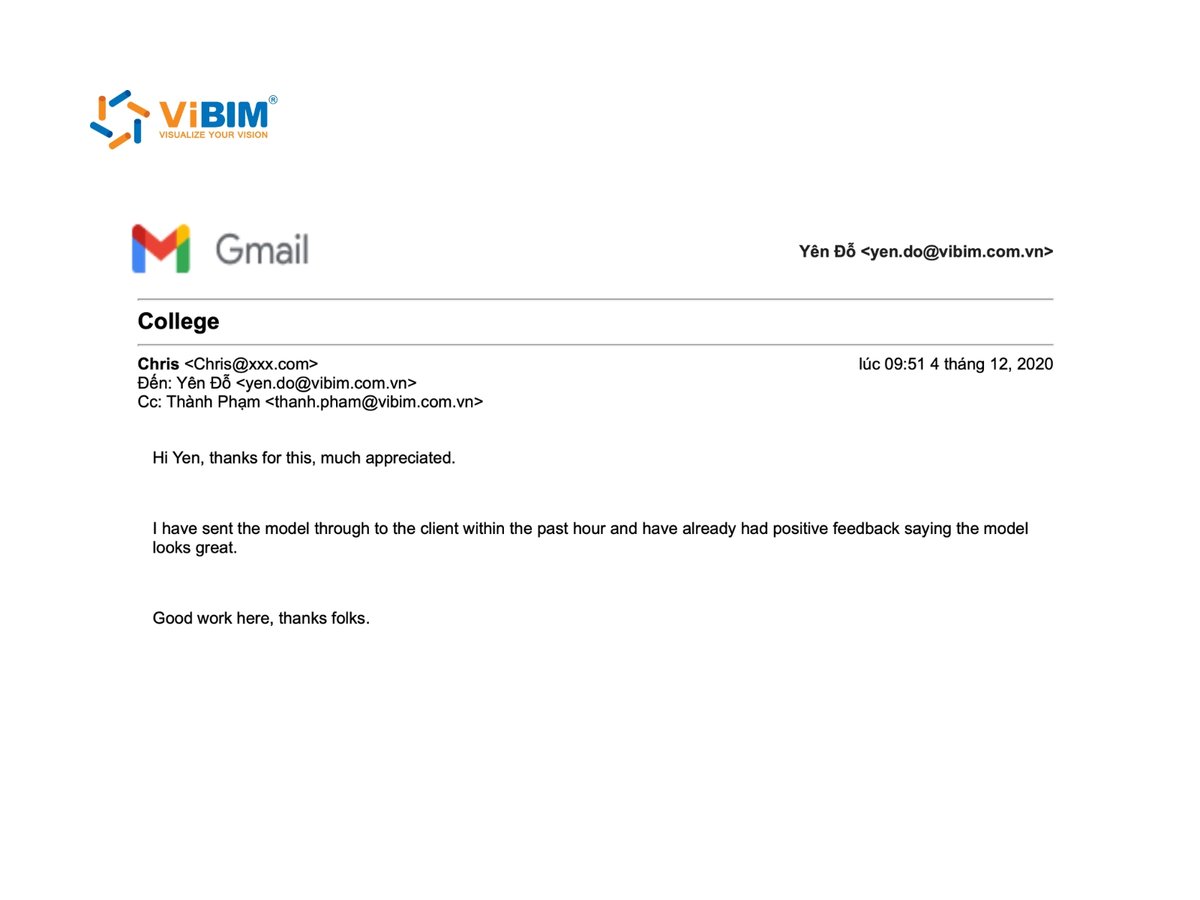
Scan to BIM services from ViBIM give survey and AEC firms reliable Revit models, on-time delivery, and clear communication from quote to handover.
Scan to BIM disciplines modeled for Washington DC projects are architectural, structural, MEP, and topographic. One ViBIM team models all four for federal, historic, and commercial buildings, to US industry standards and the LOD your brief sets. The four disciplines are described below:

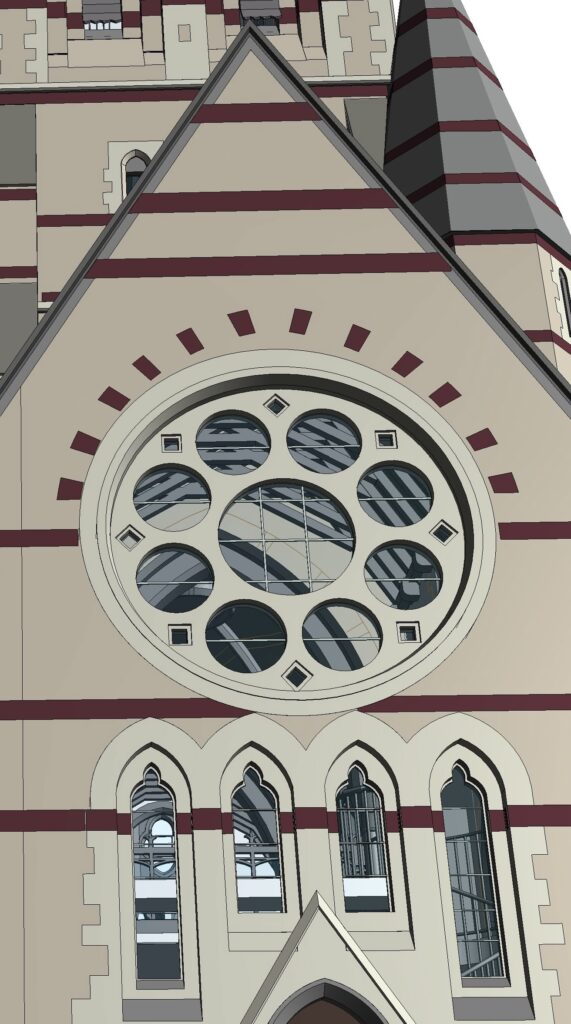
ViBIM models walls, floors, ceilings, doors, windows, stairs, and roofing systems. For historic landmarks under HPRB review, we model ornamental details such as crown moldings, cornices, and period trim profiles.
Architectural Scan to BIM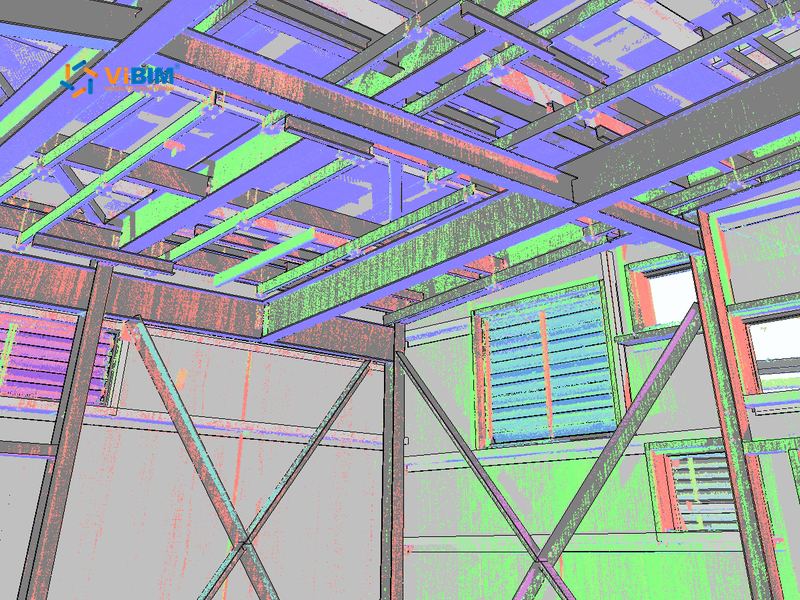
ViBIM documents steel, concrete, and wood framing, including foundations, columns, beams, bracing, and connections. For office-to-housing conversions under DC’s Housing in Downtown program, accurate structural records show which columns and slabs the new layout must work around.
Structural Scan to BIM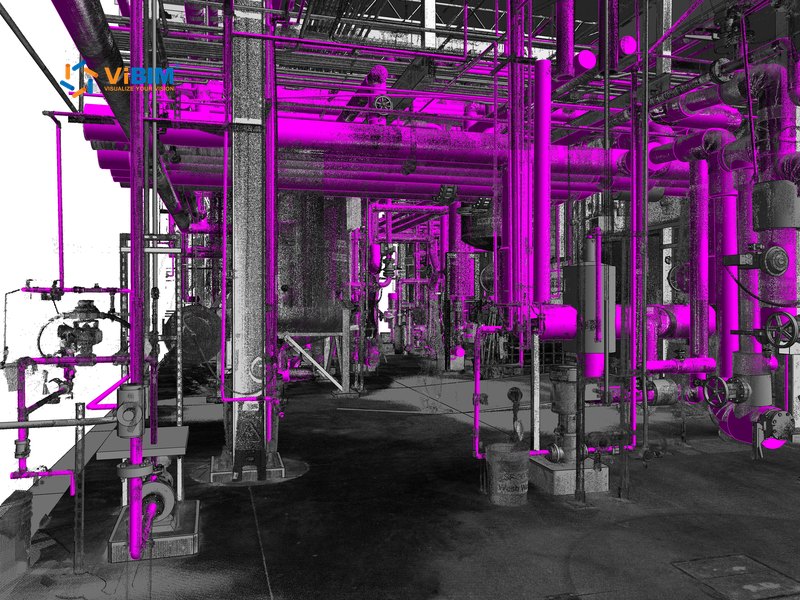
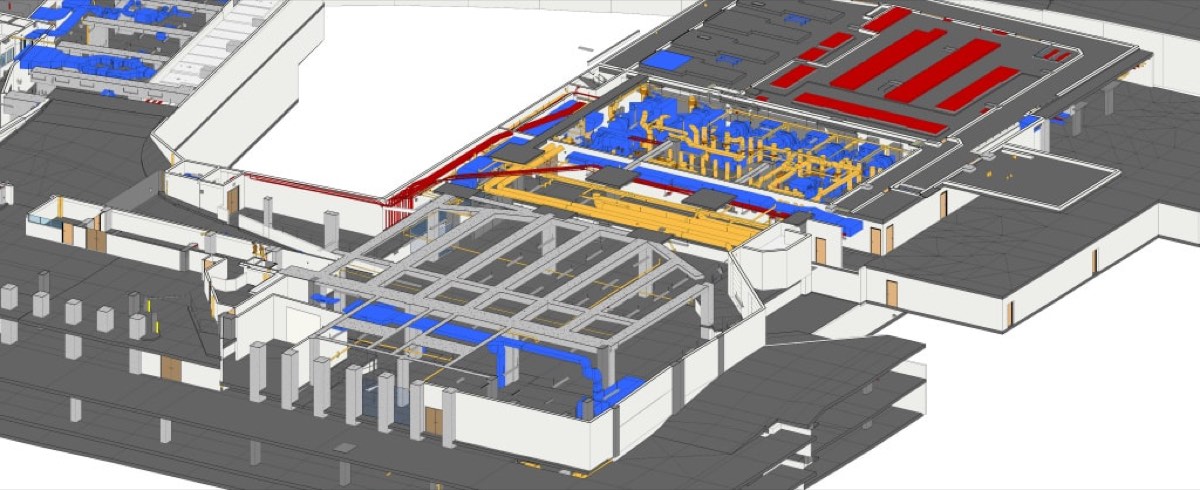
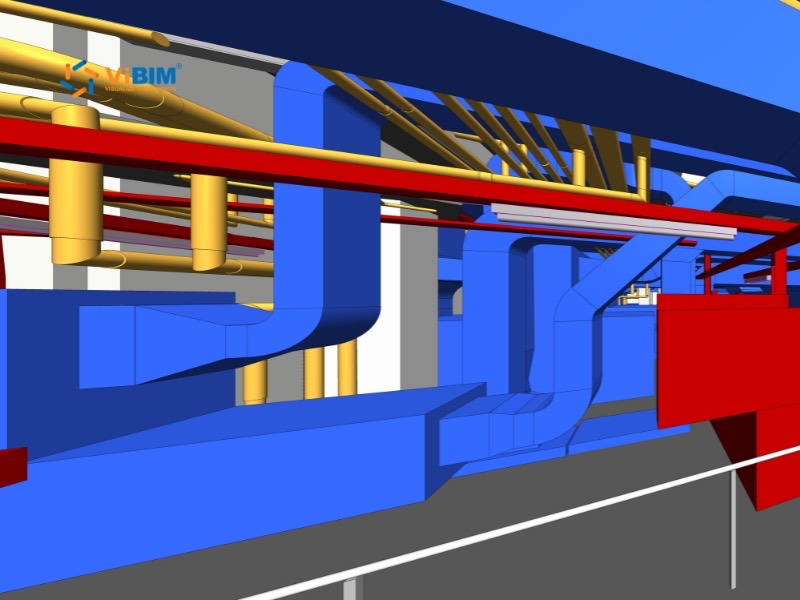
HVAC ducts, electrical conduits, panels, cable trays, and plumbing systems are modeled from your scan. Models are ready for clash detection before new routes go into occupied buildings.
MEP Scan to BIM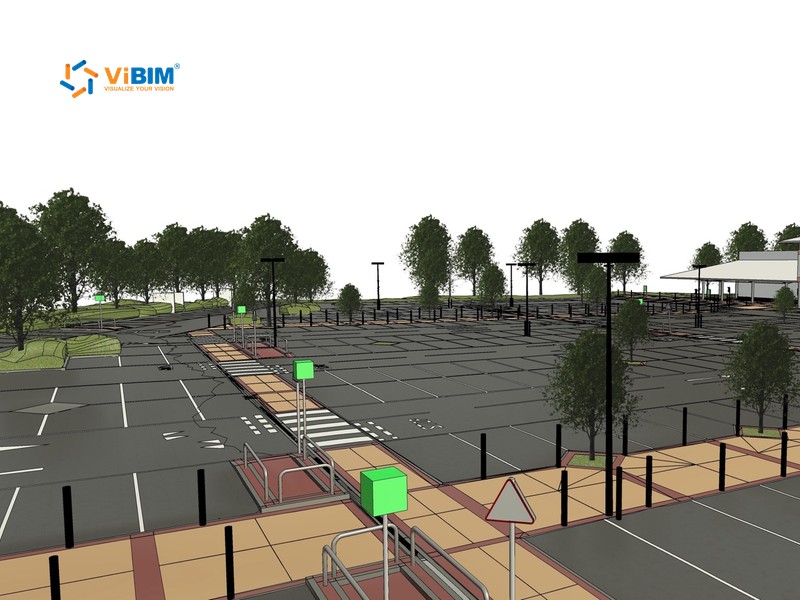
ViBIM models terrain surfaces, grading, sidewalks, curbs, parking areas, and visible utilities. The topography model supports site planning, grading, and utility work around the building, and can include the neighboring footprints your HPRB site plan needs.
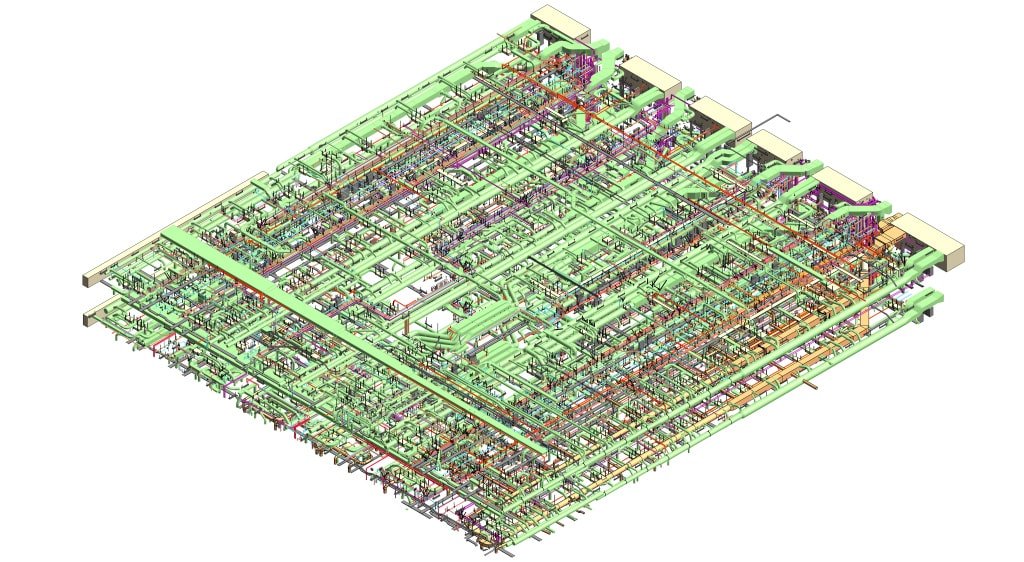
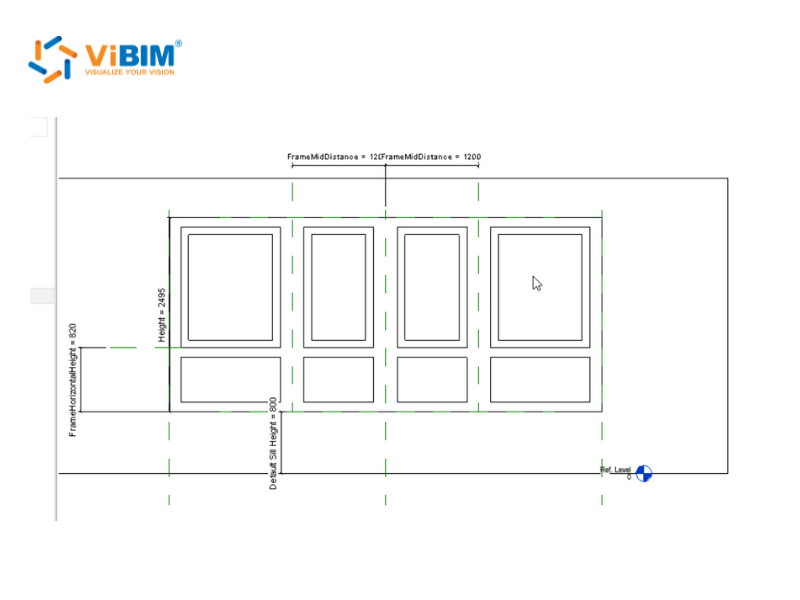
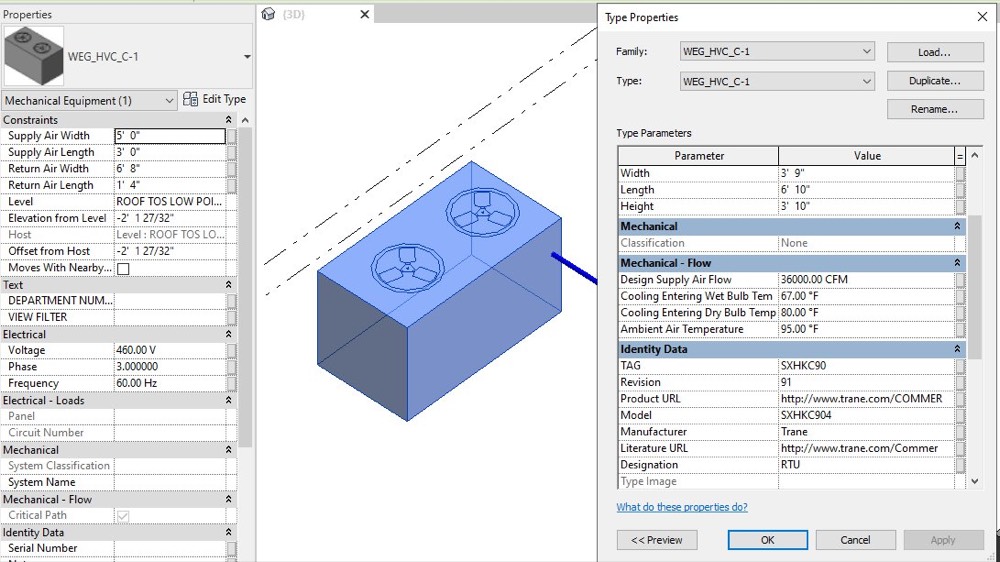
Topography Scan to BIMPoint cloud to BIM services for Washington DC projects deliver a native Revit model that matches the exact site conditions and geometry in your scan. From that same model, ViBIM produces drawings and facility management data, and it adds custom Revit families for details no standard library covers. The four deliverables are described below:
The scan to BIM process for Washington DC projects runs in thirteen steps, from brief analysis to final delivery. Your team reviews the first model submission at step 11, and ViBIM revises the model from your QC markups before final delivery.
The thirteen steps are listed below:
1
Project Brief Analysis and Scope Clarification
2
Point Cloud Preparation and Coordinate Setup
3
Level and Grid Establishment
4
Element Classification and Modeling Setup
5
Architecture Modeling
6
Structure & MEP Modeling (if required)
7
LOD & LOI Validation
8
Family Creation and Parameter Setup
9
Model Coordination and Clash Check
10
QA/QC Review & Tolerance Compliance
11
First Model Submission
12
Model Revision Based on Client’s QC Markups
13
Final Delivery and Closeout
In Washington DC scan to BIM, your brief sets the accuracy and detail of each discipline through its model-to-scan tolerance and LOD. ViBIM checks every discipline against those targets before any file leaves the QC team. Each control is described below:

INDEPENDENT
QC LAYERS
Worried the scan missed what sits above the ceiling or behind historic plaster?
Industries served in Washington DC run from museums to downtown offices, hospitals, campuses, and transit facilities, and each one needs different elements in its model. Each industry is described below:
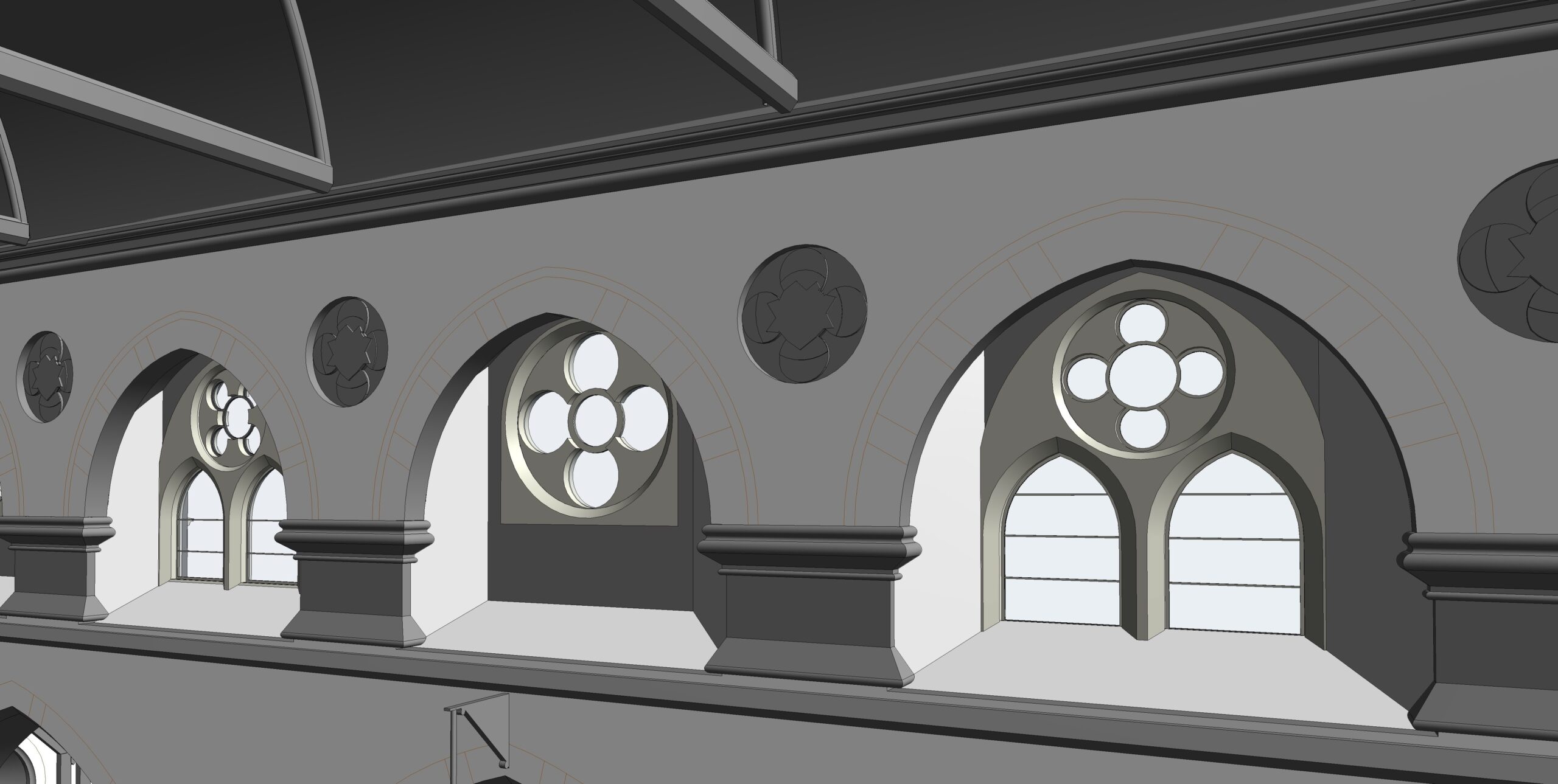
Ornate interiors in museums, churches, and memorials are documented in the model before conservation work or exhibit changes begin.
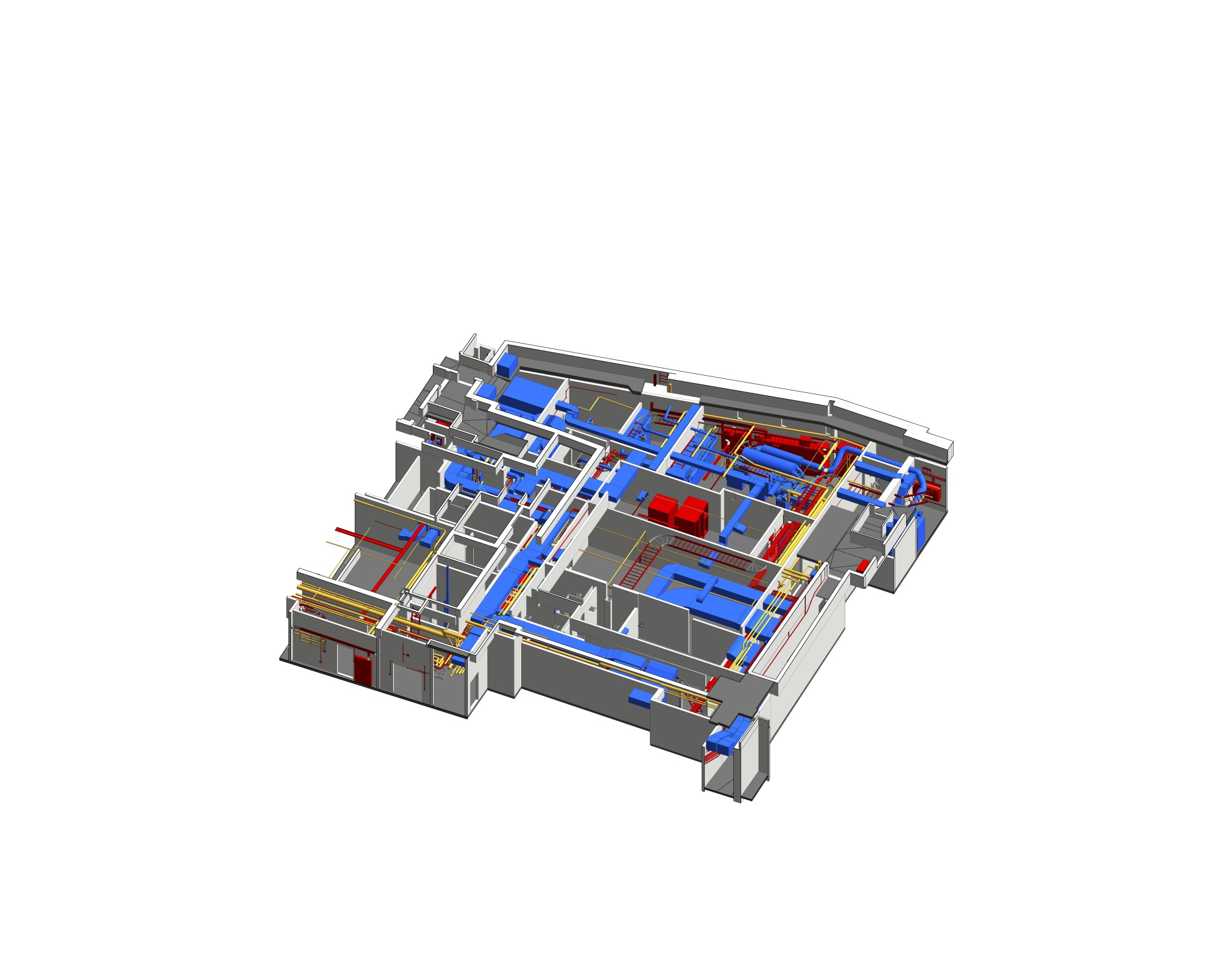
Office buildings in Downtown and NoMa need their floor plates, ceilings, and MEP systems modeled for tenant improvements and lobby upgrades.

Hospital wings renovated while in use are modeled with their existing ducts and piping before new routes are drawn.
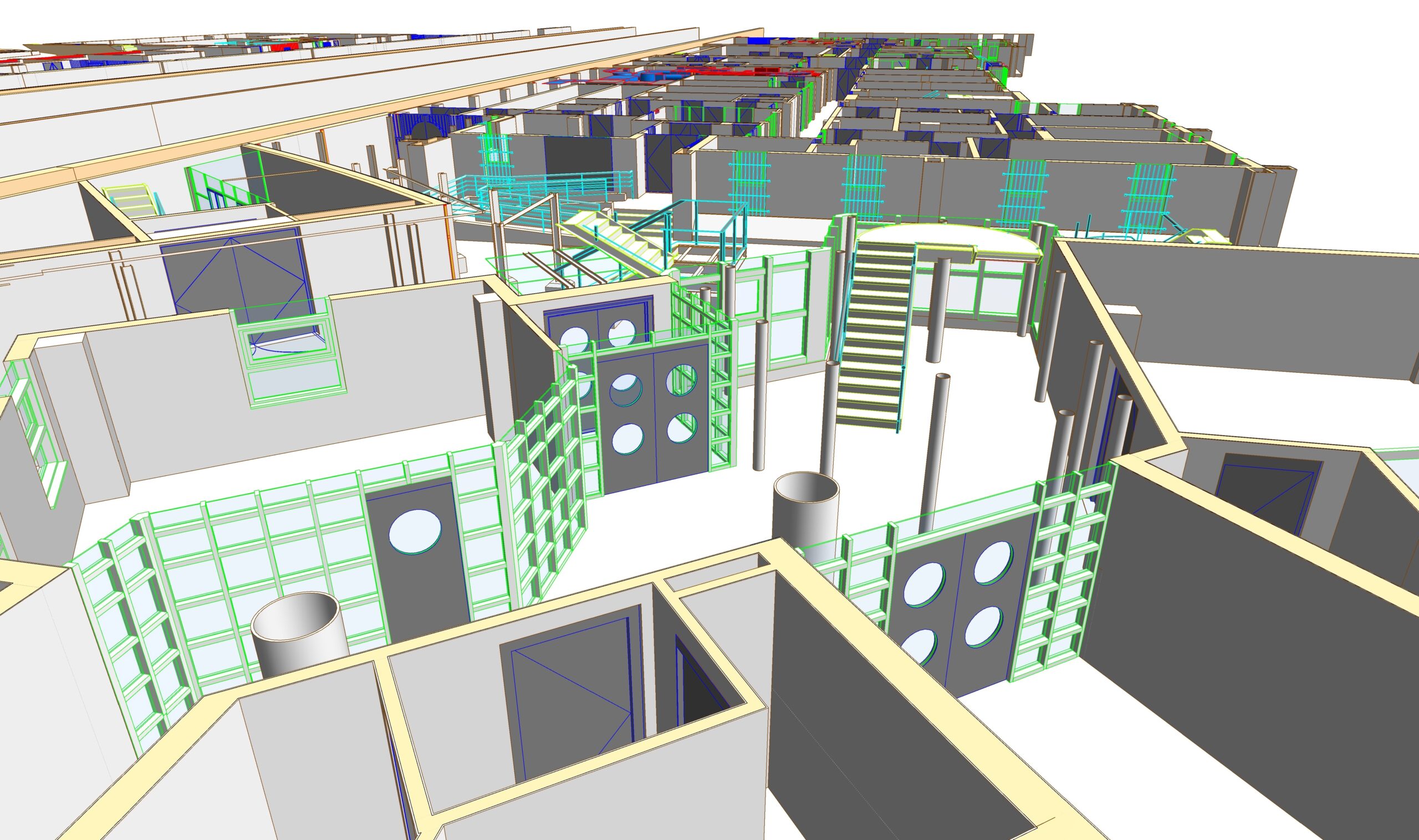
School and university renovations run on the academic calendar, so classroom, lab, and ceiling-duct models are ready before design starts.

Rowhouse additions and apartment renovations start from a model of party walls, stairs, and MEP systems.

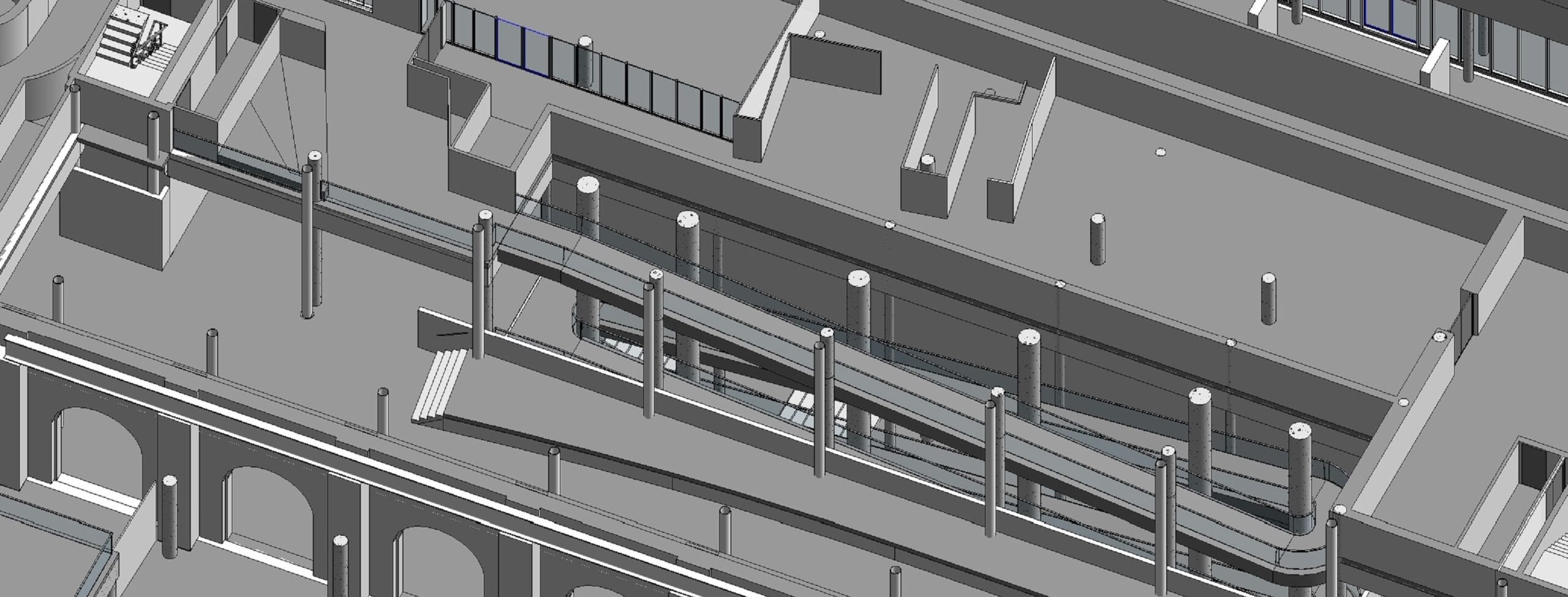
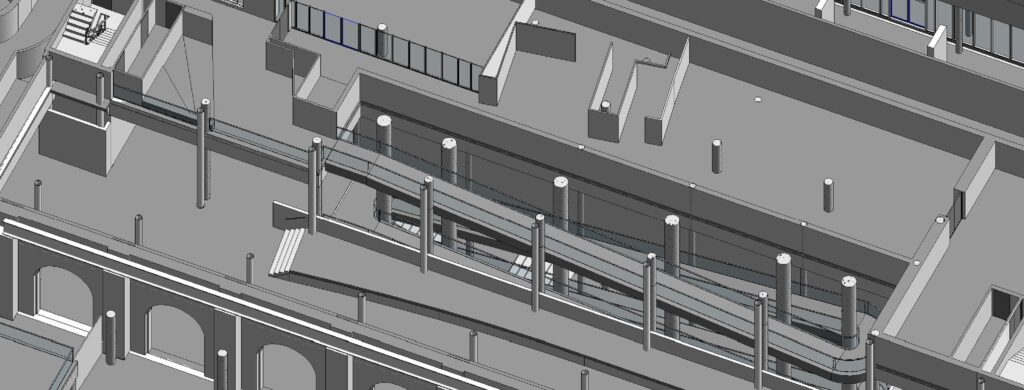
For stations, parking structures, and transit facilities, the model covers platforms, ramps, and structural frames for upgrade design.
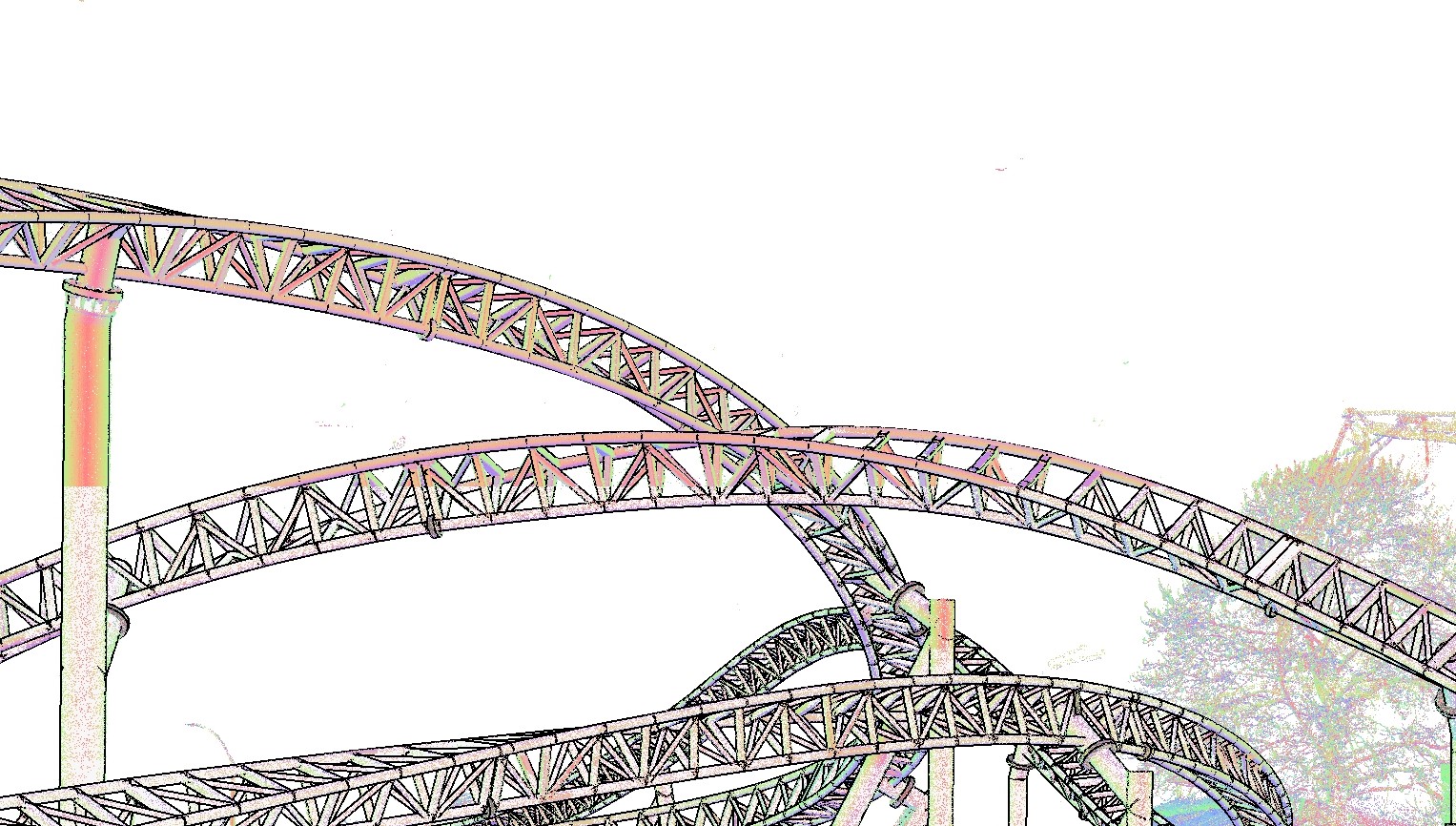
For parks, plazas, and sports facilities, one site model combines terrain, hardscape, and structures for improvement projects.
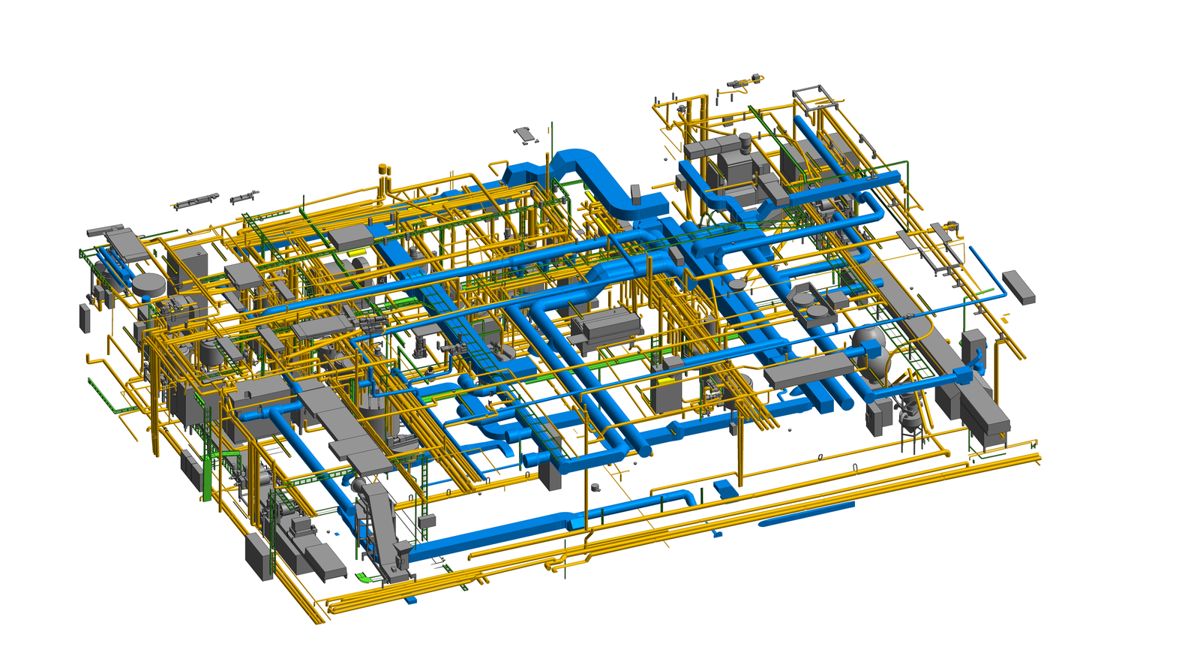
Industrial plants across Maryland and Northern Virginia need their piping, equipment, and steel frames modeled before retrofits are planned.
Scan to BIM services from ViBIM support existing-building projects in Washington DC, where agencies, developers, and contractors rely on a model of existing conditions before work begins. Scanning firms and architects in DC deliver that model for federal and government facilities, historic landmarks under HPRB review, and commercial renovation and adaptive reuse. The three project types are described below:
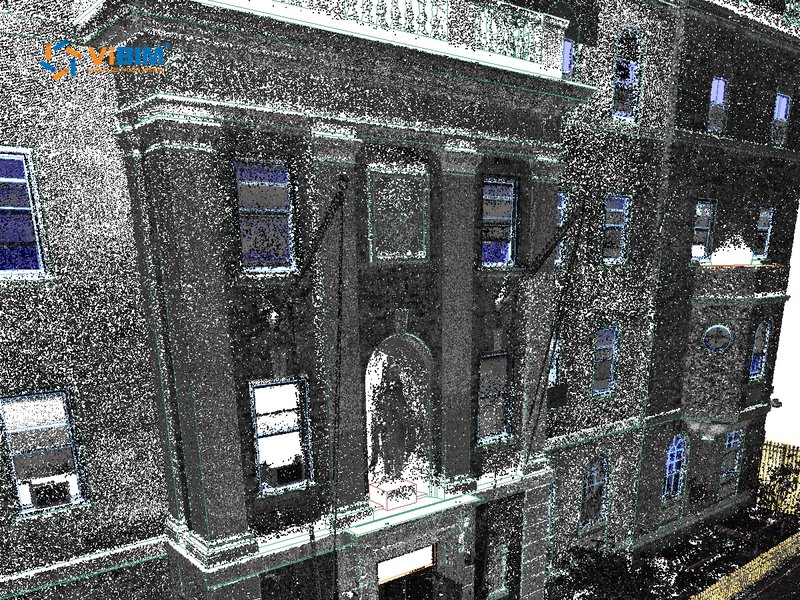
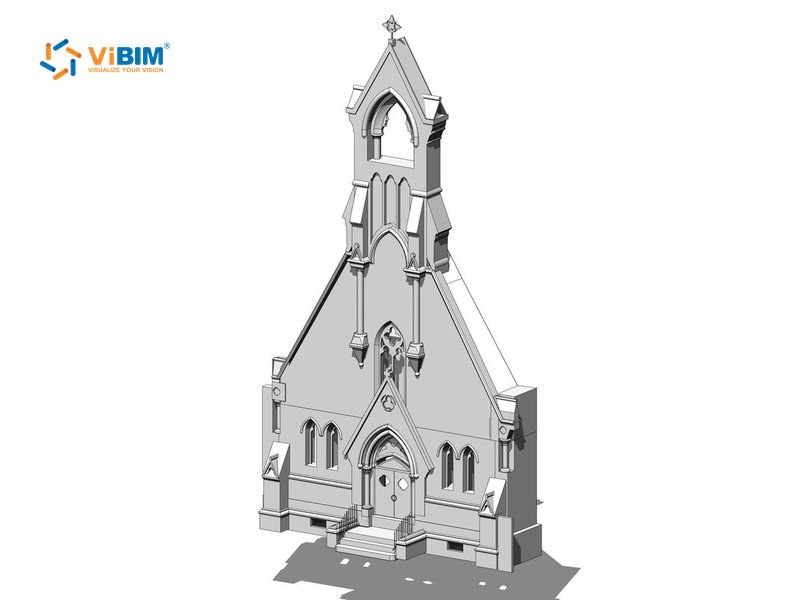
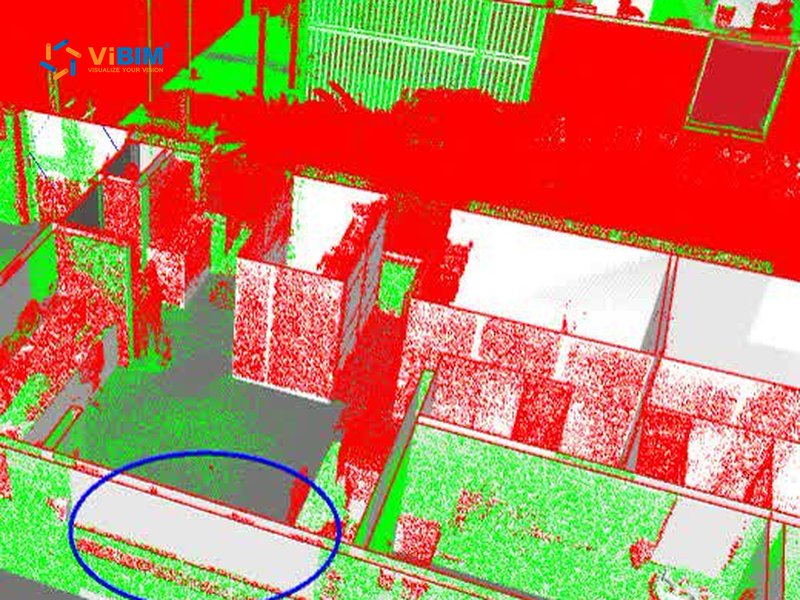
Federal agencies renovating occupied, security-controlled buildings need accurate records of existing conditions. GSA stewards 566 historic buildings nationwide, and many federal projects in the capital go to the National Capital Planning Commission (NCPC) for review. When a federal project affects a historic property, Section 106 review applies, and a measured model gives that review an accurate record of what stands today. ViBIM’s production network blocks USB drives and restricts internet access, and finished models return through a secure FTP channel.
Together, DC’s landmarks and the buildings inside its 50 historic districts add up to more than 27,000 protected properties. For HPRB concept review, applicants submit existing condition plans, exterior photographs, and a site plan showing neighboring footprints, as listed in the DC concept-review requirements. A model built from your scan gives the existing condition plans measured dimensions instead of figures carried over from old drawings.
Developers retrofitting commercial buildings and converting older offices to new uses often start from drawings that no longer match the building. DC’s Housing in Downtown program offers a 20-year property tax abatement for converting downtown commercial buildings to housing. A scan-based Revit model gives architects and contractors verified existing conditions for design, clash review, and bid sets before demolition starts.
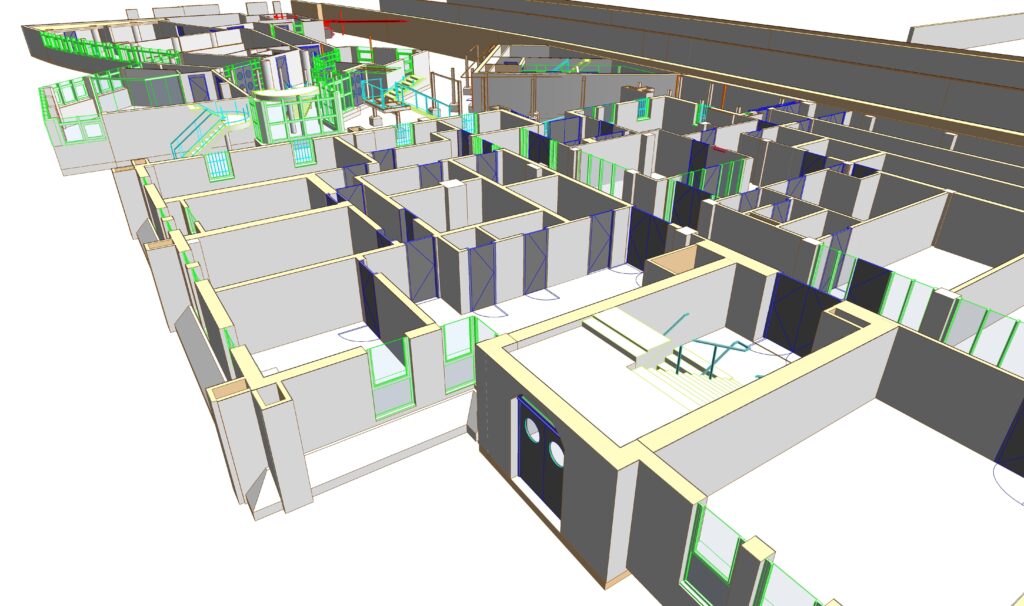
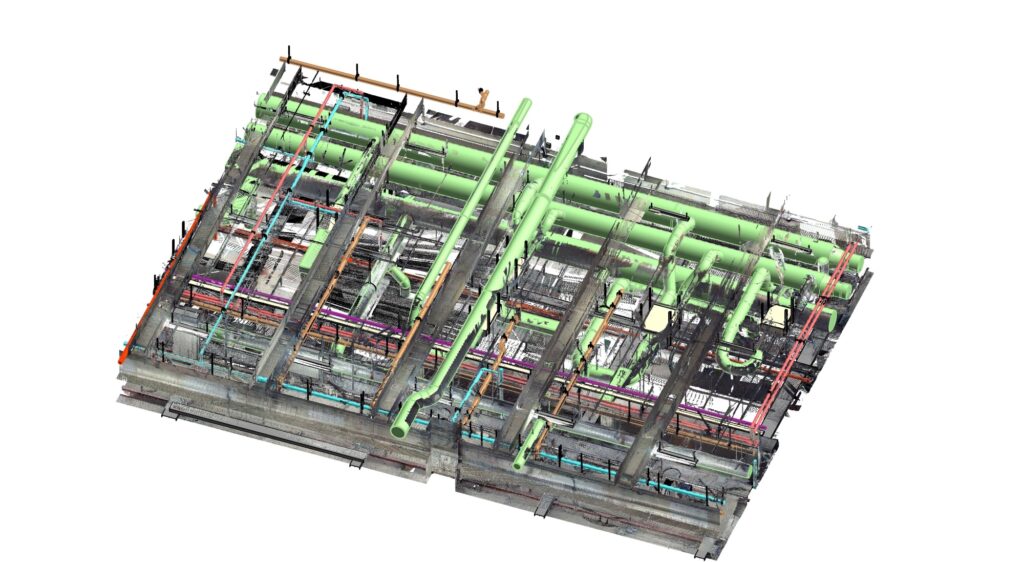
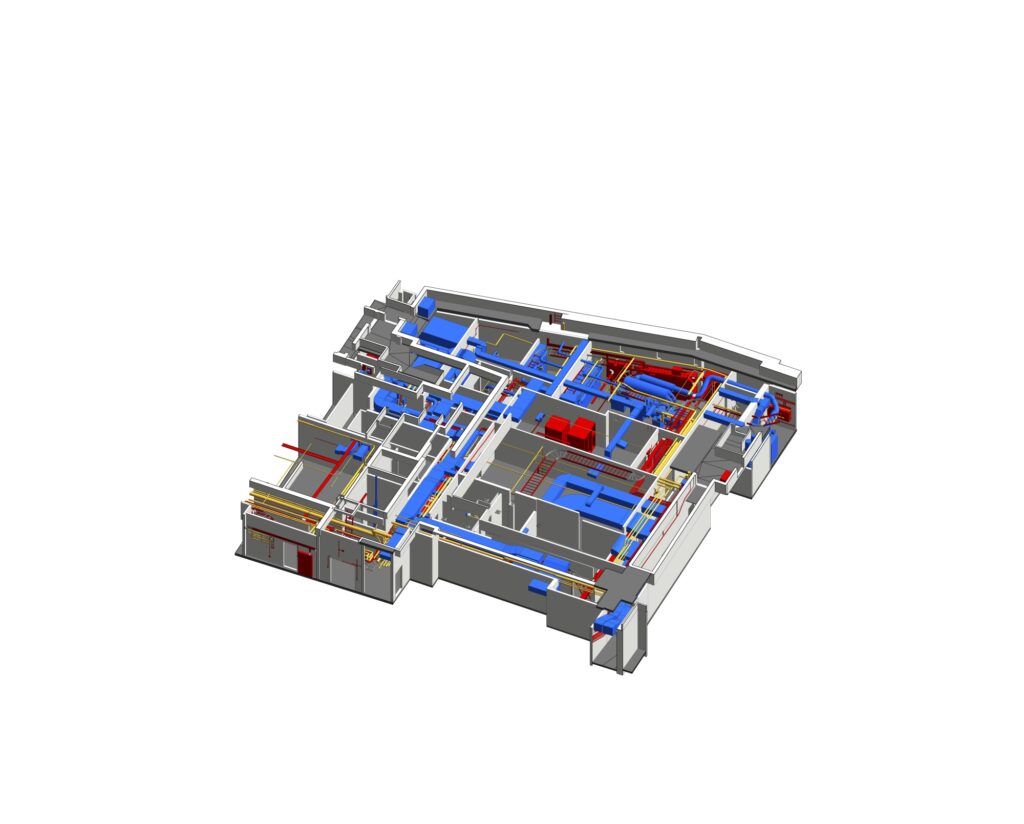
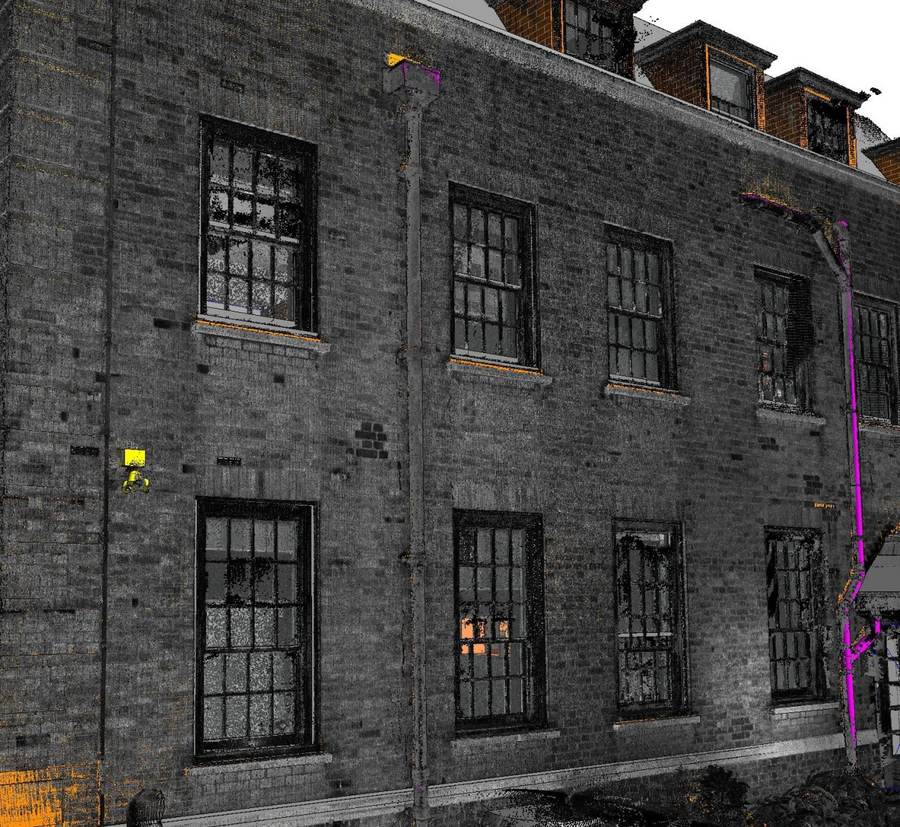
ViBIM’s featured scan to BIM projects show the existing-conditions models that survey and AEC firms receive, from point cloud to native Revit. Clients in the UK, Australia, Canada, and the US commissioned the featured projects.
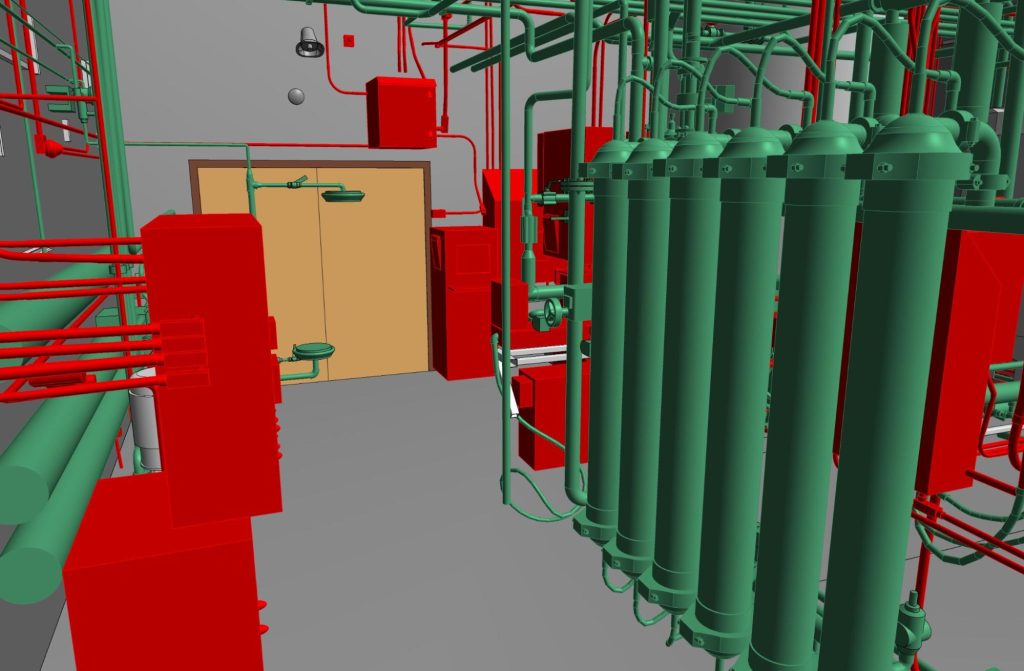

Revit Modeling for MEP Systems at Industrial Factory in the United States
View more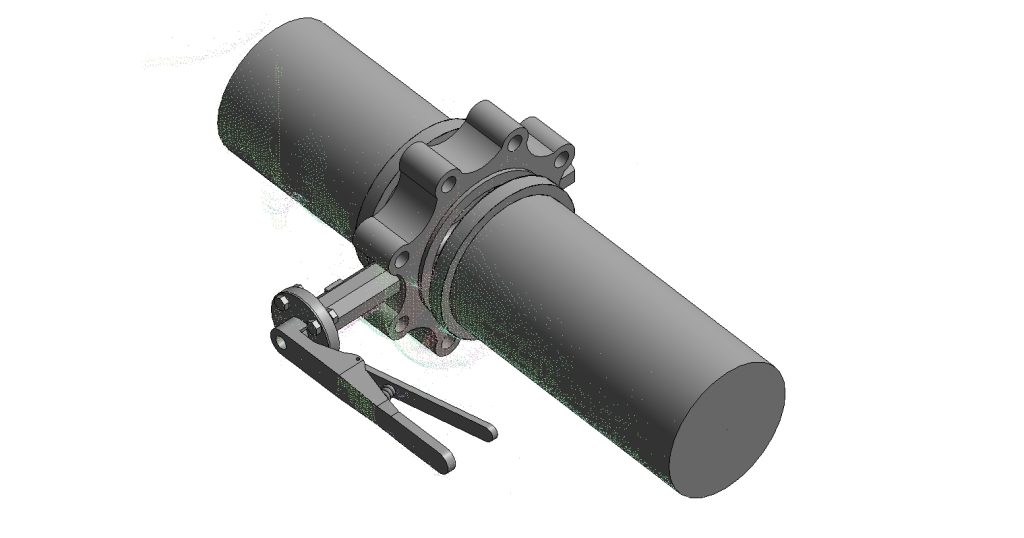
The advantages of choosing ViBIM’s Revit BIM modeling services for Washington DC projects are predictable delivery, models checked against your scan, and a dedicated project manager. Each advantage is described below:
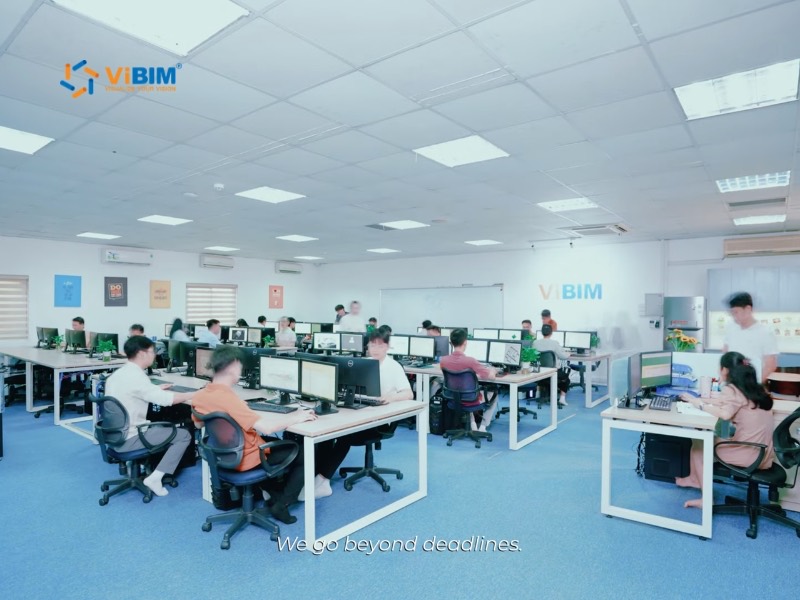


99% of ViBIM projects reach you on or before the agreed deadline, because a dedicated project manager tracks each milestone from the brief.

Turnaround runs about 30% faster than the market average, because reusable Revit families and in-house automation shorten modeling in every discipline.

The production team behind each model holds architecture or civil engineering degrees, and reviewers check each modeling stage against the scan before handover.

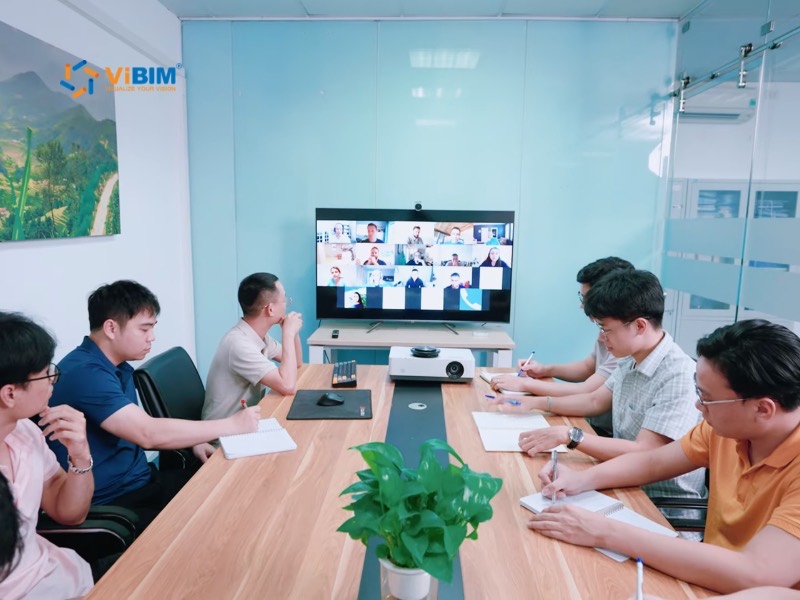
Your project manager replies to emails within one hour during working hours, from 8 AM to 11 PM GMT+7.

ViBIM uses automation and AI tools to refine its output and keep up with evolving US construction standards.

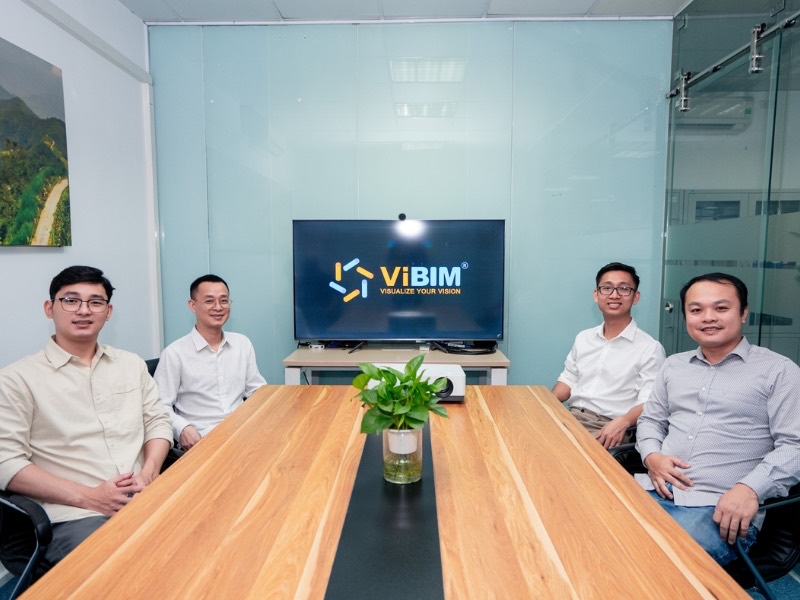
Pham Thanh is the founder and CEO of ViBIM, which he grew from three employees into a 30-strong BIM outsourcing team. Contributed to Vietnam’s first national BIM Guidelines (Ministry of Construction, 2017). MBA, Solvay Brussels School of Economics and Management (2012); Bachelor of Architecture, ABAC University (2008); BIM Management Certificate, BCA Academy, Singapore (2014).

Do Van Yen is ViBIM’s Architectural Team Leader and one of its first three specialists, working with the founder since 2011. Has led architectural BIM modeling since 2014 and helped build the company’s Scan to BIM services and standards from the start. Civil Engineering, University of Transport and Communications.

Nguyen Tien Trung is ViBIM’s Structural Team Leader and manages the company’s BIM standardization system, leading structural modeling on its largest, most complex projects. Construction Engineering, Hanoi University of Civil Engineering (2019).

Truong Van Huong is ViBIM’s MEP Team Leader, leading mechanical, electrical and plumbing BIM modeling and coordination. Brings years of hands-on MEP design and implementation experience to large, complex project delivery. Bachelor’s in Electrical Engineering, specializing in Electrical Systems (2018).

Truong Quoc Trung is ViBIM’s Project Manager and one of its first-generation modelers, with the company since 2018. Runs its medium to large-scale BIM projects end to end and mentors new modelers. Practical Engineer’s degree in Civil Engineering, Construction Technical College No. 1 (2017).
A Washington DC scan to BIM quote draws on seven items from your project, covering scan data, scope, standards, schedule, and contact. Complete information helps ViBIM deliver an accurate quote within 12–24 hours and begin modeling immediately. The seven items are listed below:
No point cloud yet? ViBIM provides preliminary estimates from Leica TruView files, Google Maps links, or site photographs.
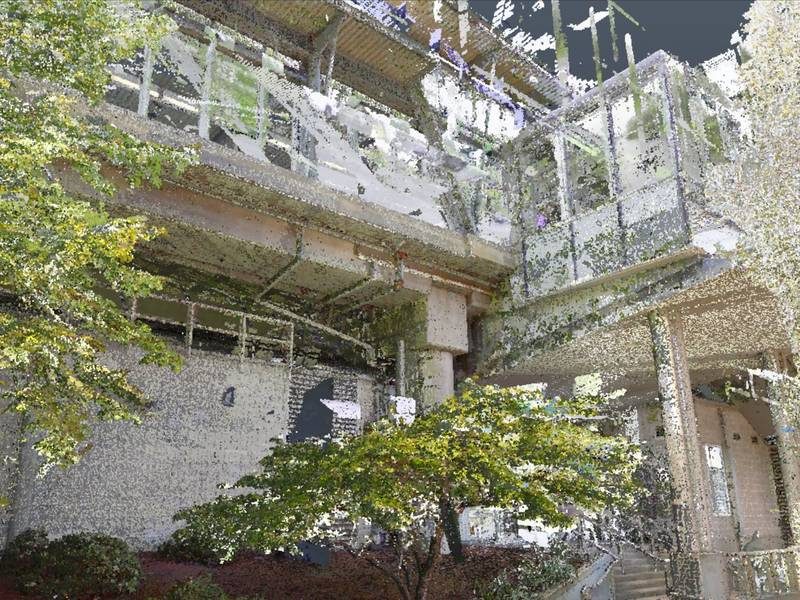
Ready to Start Your Washington DC Scan to BIM Project?
Send us your point cloud data and project scope to get a quote for your DC project, with a complimentary trial available for new clients.

Scan to BIM outsourcing services across the USA and worldwide run on the same remote workflow as DC projects, from scan upload to model delivery. Scanning firms across the US and in the UK, Canada, Australia, and the EU use ViBIM’s scan to BIM services. The markets ViBIM serves are shown below:

United States

United Kingdom

Canada

Australia

European Union
The US states and cities we serve are shown below:
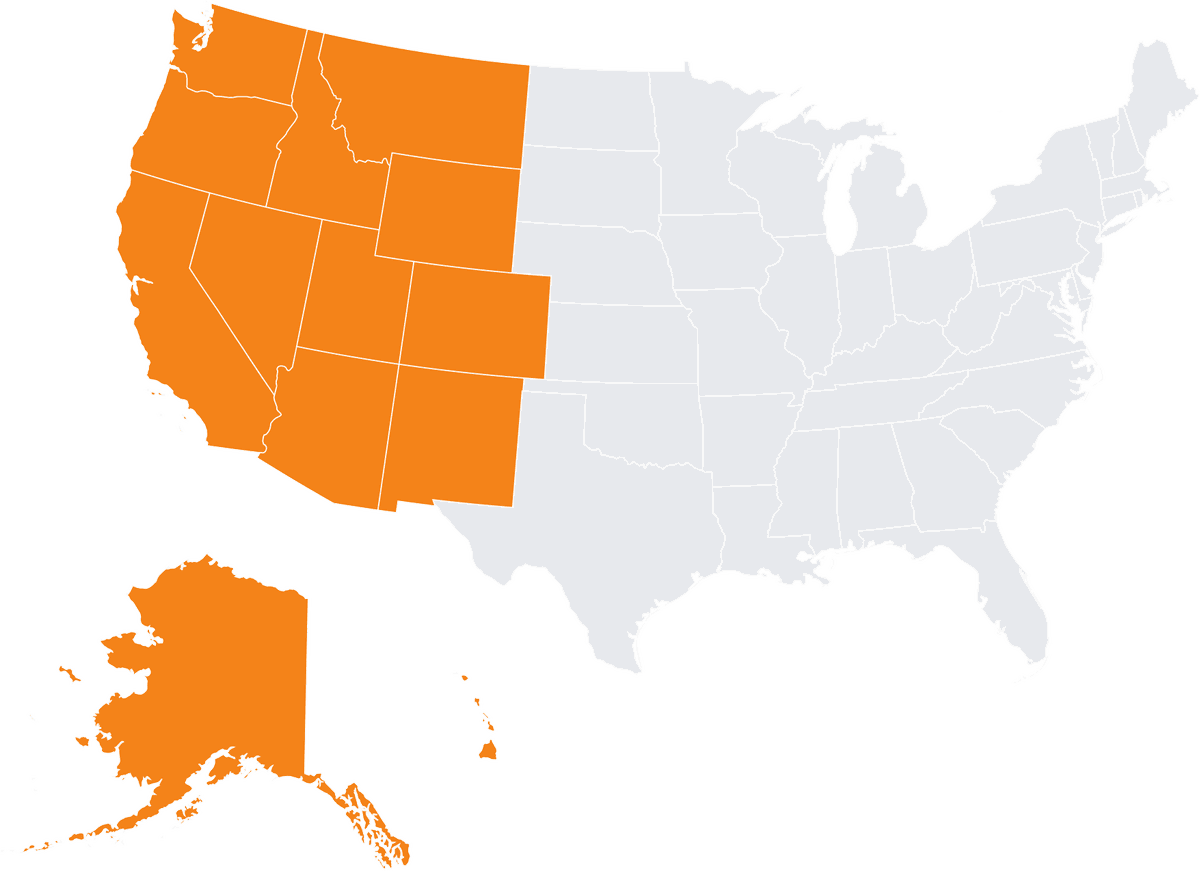
Alaska
Arizona
California
Colorado
Hawaii
Idaho
Montana
Nevada
New Mexico
Oregon
Utah
Washington
Wyoming
Irvine
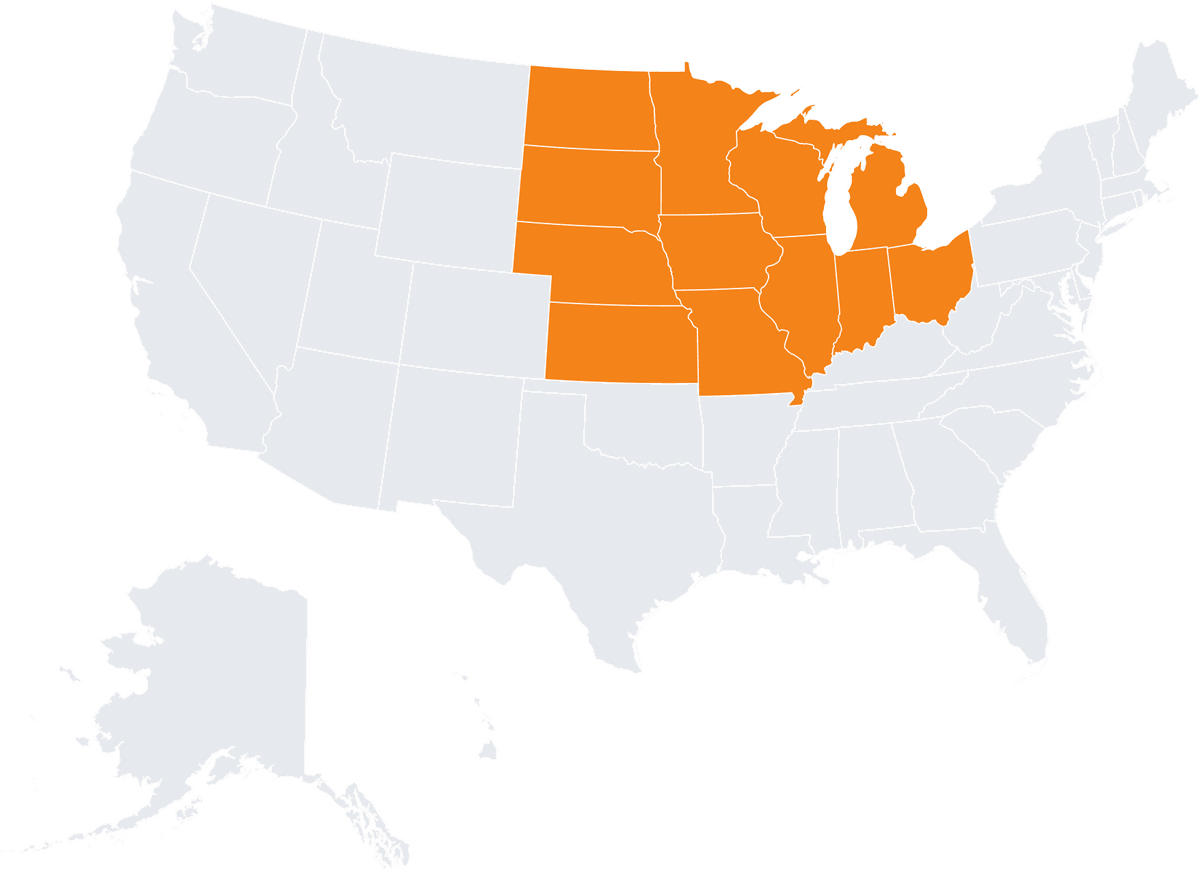
Illinois
Indiana
Iowa
Kansas
Michigan
Minnesota
Missouri
Nebraska
North Dakota
Ohio
South Dakota
Wisconsin
Chicago
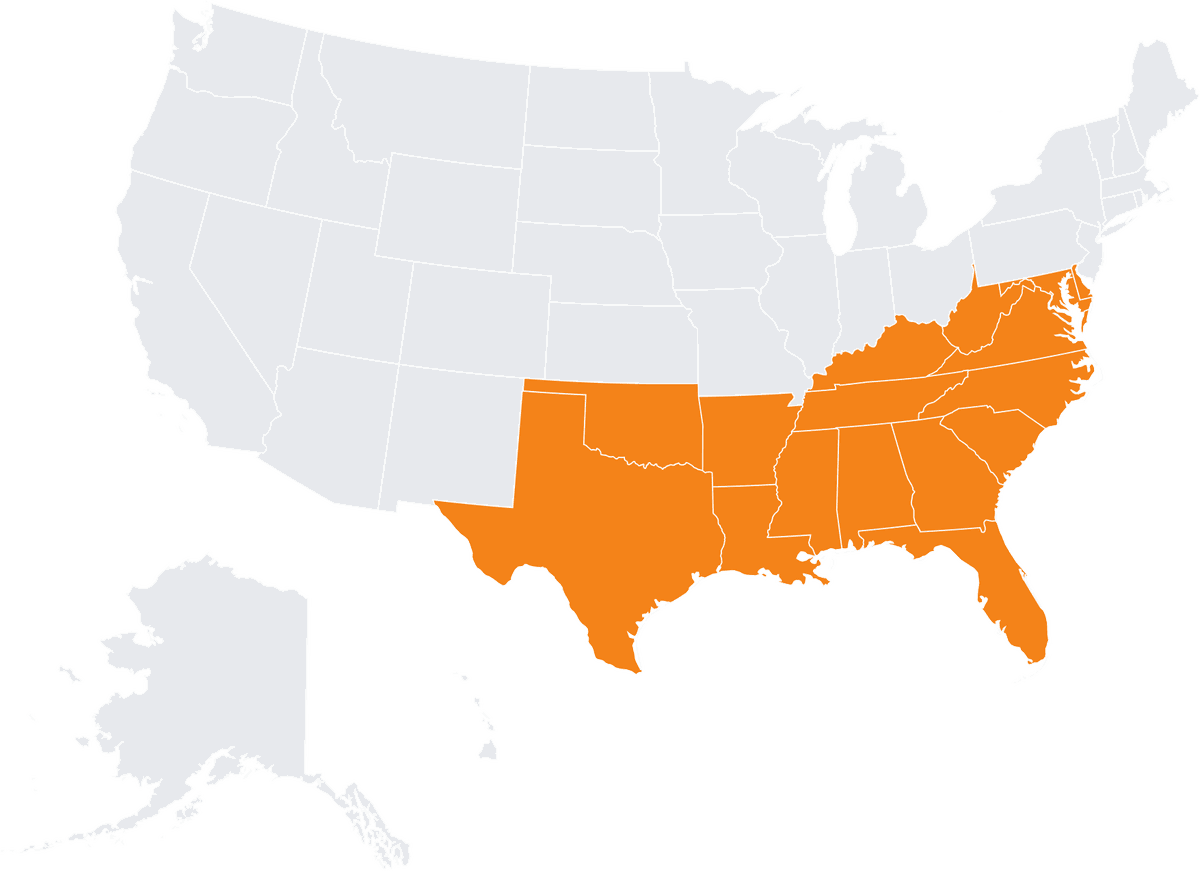
Alabama
Arkansas
Delaware
Florida
Georgia
Kentucky
Louisiana
Maryland
Mississippi
North Carolina
Oklahoma
South Carolina
Tennessee
Virginia
West Virginia
Washington DC
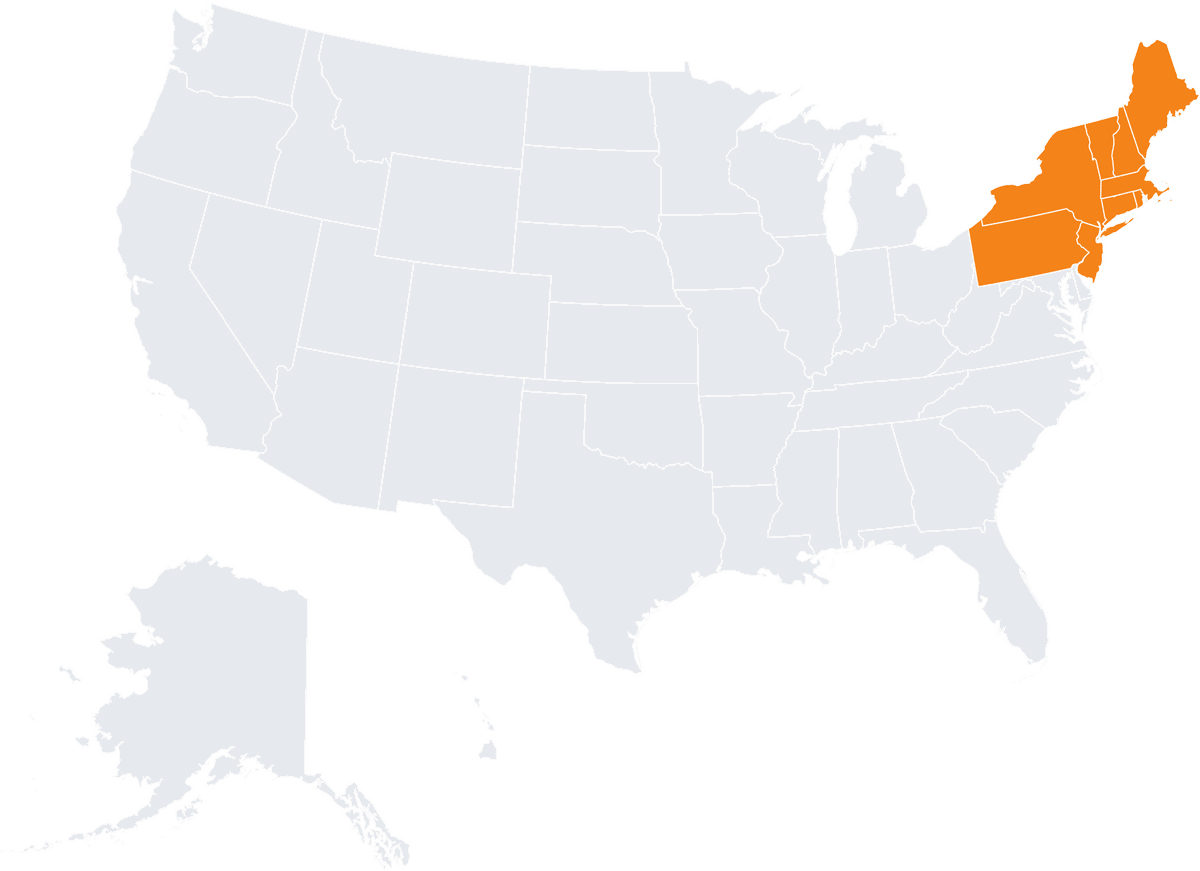
Connecticut
Maine
Massachusetts
New Hampshire
New Jersey
New York
Pennsylvania
Rhode Island
Vermont
Boston
Washington DC scan to BIM FAQs cover on-site scanning, federal and HPRB review, office conversions, LOD, and project cost.
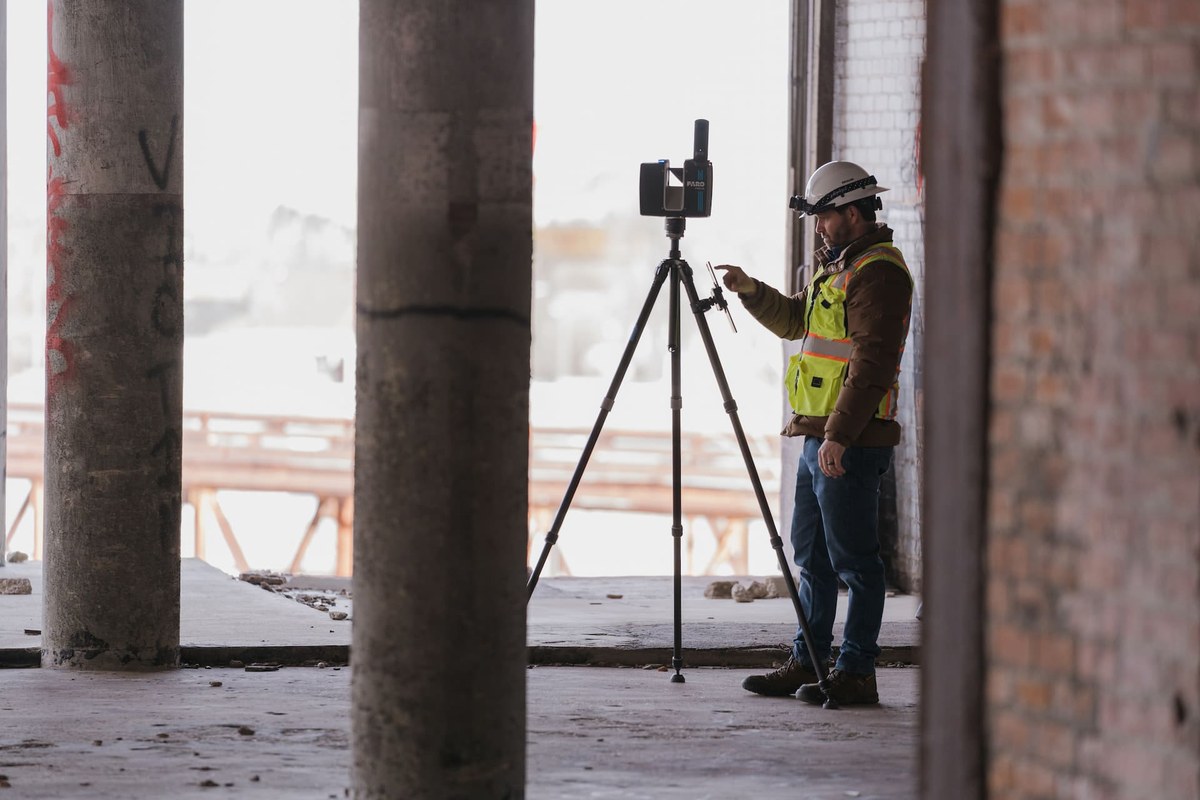
No. ViBIM models from point clouds that your team or a local scanning firm captures, so field work stays with the surveyor you already use. Registered scans reach ViBIM through FTP, Autodesk Construction Cloud, Box, or another platform you prefer. ViBIM’s working hours, 8 AM to 11 PM GMT+7, overlap the morning in Washington DC, so questions sent in the evening are answered by your next workday.
Yes. ViBIM models federal buildings to the GSA BIM requirements your project specifies and delivers COBie data when your scope requires it. Where a project goes to the National Capital Planning Commission (NCPC), NCPC makes the review decision, and ViBIM supplies the existing-conditions model for the submission.
Yes. ViBIM produces existing condition plans from your scan for HPRB concept review, and existing floor plans and elevations for Old Georgetown permit submissions. Your architect prepares the proposed-work drawings, and the review decision stays with HPRB or the Commission of Fine Arts.
Yes. A scan-based Revit model shows the existing columns, slabs, shafts, and facade openings that a new apartment layout has to work around. ViBIM models what the scan captures, and the structural assessment stays with your engineer.
LOD 300 is the usual starting point for an existing-conditions model, and your brief or the project’s BEP sets the final level. LOD 350 adds the interfaces between building systems that 3D coordination needs. LOD 500 suits facility managers who need a field-verified record of the building as it stands.
A Washington DC scan to BIM project is priced per project, not at a flat per-square-foot rate. Floor area, disciplines, LOD, and tolerance set the base price. Historic trim that needs custom Revit families and COBie data for federal handover add modeling hours.
START WITH A FREE TRIAL
Share your point cloud and project scope. We return a free trial model on your own data, plus a fixed quote, before you commit to anything.

Free trial model on your sample data
Scope, timeline and quote in 12–24 hours
NDA on request · secure file transfer
Scan to BIM guides and resources for DC teams cover the basics, budgeting, choosing a modeling partner, preparing scan data, and choosing the right LOD. The five guides are listed below:
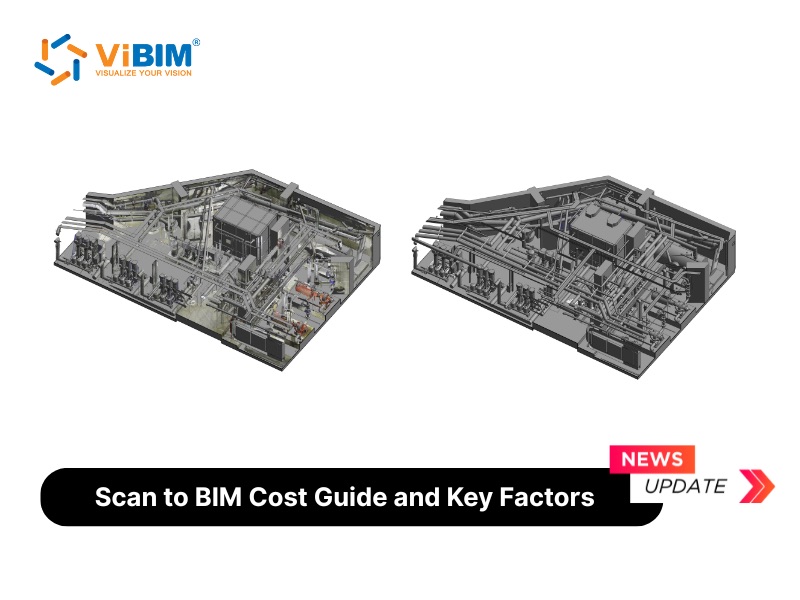
Scan to BIM Cost in 2026: Pricing Guide and Key Factors
Scan to BIM cost is the total investment required to create a digital building information model from 3D laser scan data. This cost comprises two main phases: the on-site laser...
How to Outsource Revit BIM Modeling: Your Comprehensive Guide to Choosing the Right Partner
Finding a reputable Revit BIM Modeling Service Provider is crucial for the success of any modern...
The Complete Scan to BIM Checklist
A Scan-to-BIM checklist is a structured list of tasks and requirements that covers the entire...
How to choose the right LOD for your scan to BIM?
Choosing the right LOD (Level of Development) means matching a BIM model’s detail to the...
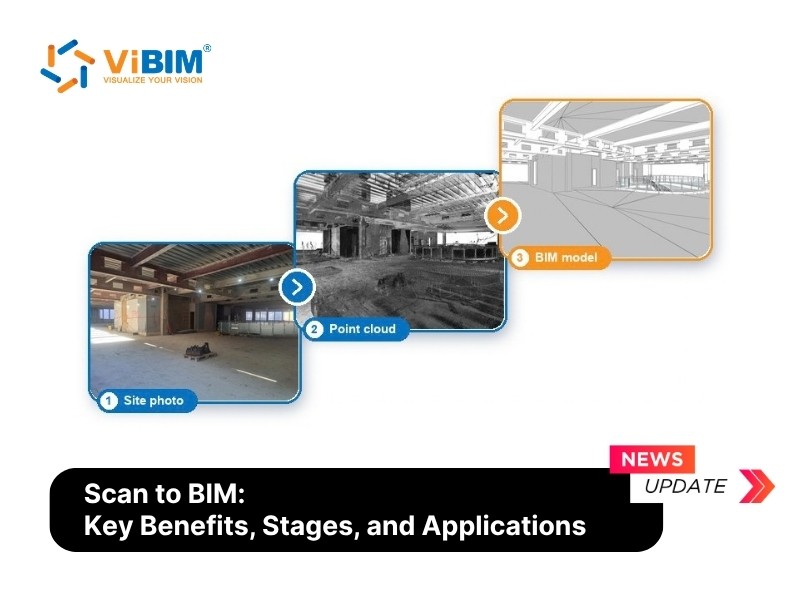
Scan to BIM: Key Benefits, 4-Stage Process, and Applications
Scan to BIM gives a project team an accurate, intelligent BIM model of a building...