

Scan to BIM services in Texas transform raw laser scan data into precise as-built Revit BIM models across architecture, structure, MEP, and topography. ViBIM works as a remote modeling partner for scanning firms, surveyors, and architects on scans from Houston, Dallas-Fort Worth, Austin, San Antonio, and the rest of Texas.
Texas surveyors and scanning firms keep the field work, and ViBIM starts modeling once their point cloud arrives. Your team receives native Revit files, plus IFC, DWG, or Navisworks exports, after ViBIM’s reviewers check the model against your point cloud. Architects and owners then plan plant retrofits, data center expansions, and commercial renovations from that model.
As Seen On
 Coruzant Technologies
— ViBIM scan to BIM case study, modeling ultra-dense MEP systems for a US factory.
 The Architect's Diary
— ViBIM cited for point cloud to BIM expertise in federated BIM coordination.
 BizzBuzz
— ViBIM cited for scan to BIM precision on renovation and retrofit projects.
 TechBullion
— ViBIM experts break down LOD 300 vs LOD 350 for scan to BIM models.
 Urban Splatter
— ViBIM featured as a scan to BIM company across architecture, structure and MEP.
 Today News
— ViBIM named a Revit outsourcing partner for electrical BIM modeling from point cloud data.
Scan to BIM services from ViBIM give survey and AEC firms reliable Revit models, on-time delivery, and clear communication from quote to handover.
The disciplines modeled for Texas projects are architectural, structural, MEP, and topographical, each following the standards your contract or BEP sets. ViBIM models each discipline separately, then coordinates the results into one federated as-built model. The four disciplines are described below:
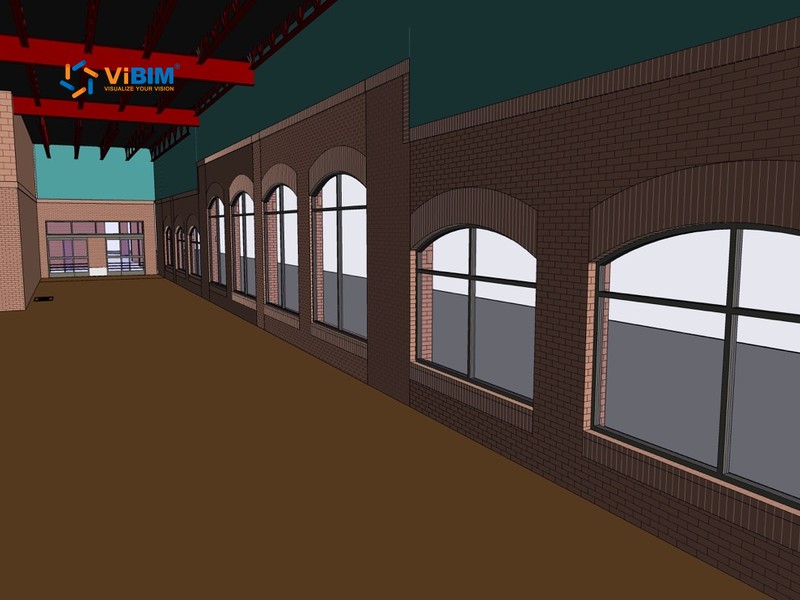
We model walls, floors, ceilings, doors, windows, stairs, and roofing systems directly from point cloud data. Accurate architectural records support design coordination and building permit documentation for your project.
Architectural Scan to BIM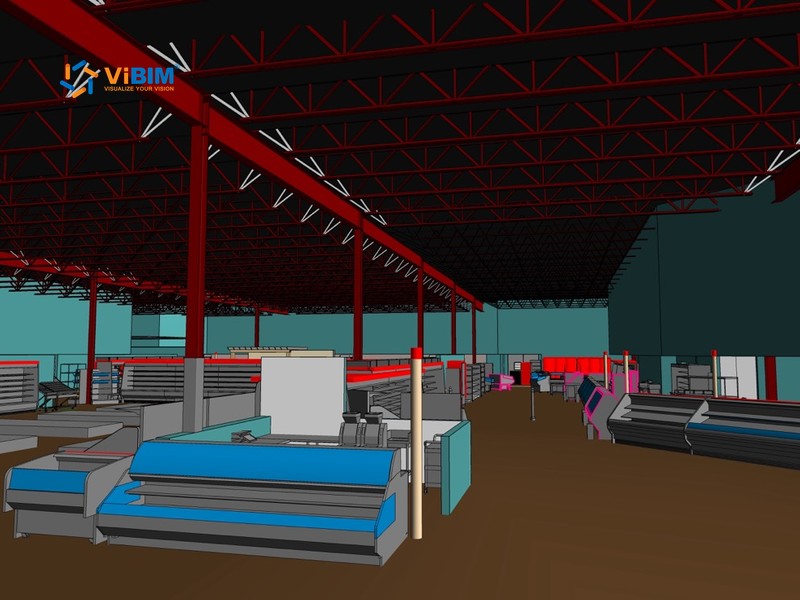
We document steel, concrete, and wood framing, including foundations, columns, beams, bracing, and connections. Accurate structural records support engineering analysis and coordination with architectural and MEP disciplines.
Structural Scan to BIM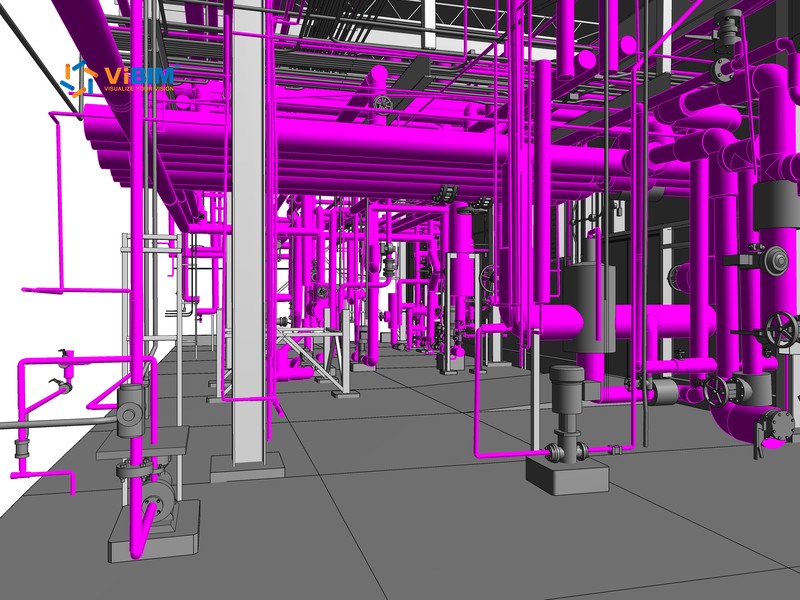
From your scan data, our team models HVAC ducts, process piping, electrical conduits, panels, cable trays, and plumbing systems. All models are ready for clash detection and coordination in facilities with dense mechanical infrastructure.
MEP Scan to BIM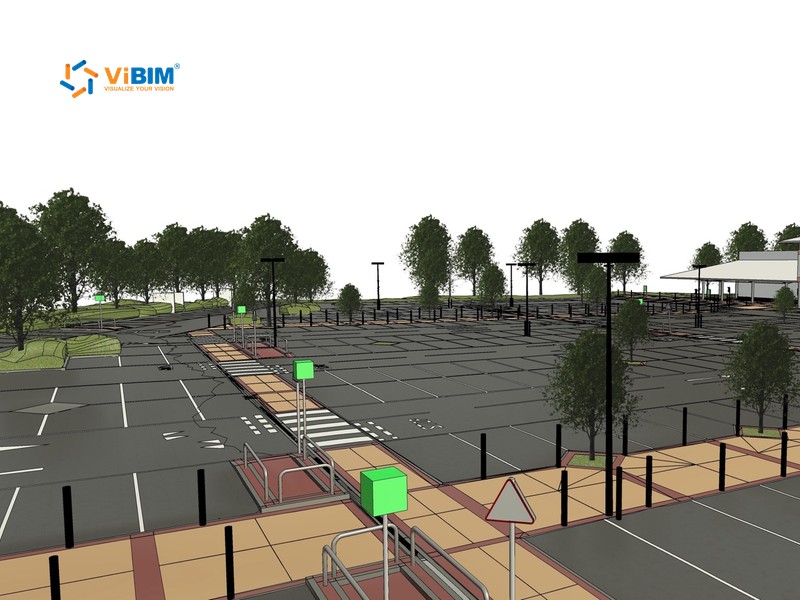
We model terrain surfaces, grading, sidewalks, curbs, parking areas, and visible utilities. At large industrial complexes, the terrain model uses the same coordinate system as your survey. Site and building models then share one position for development and expansion work.
Topography Scan to BIMPoint cloud to BIM deliverables for Texas projects all come from one Revit model, so drawings, custom families, and asset data match the as-built geometry. Each output is matched to how your team will use it, from retrofit design and permit sets to facility maintenance. The four deliverables are described below:
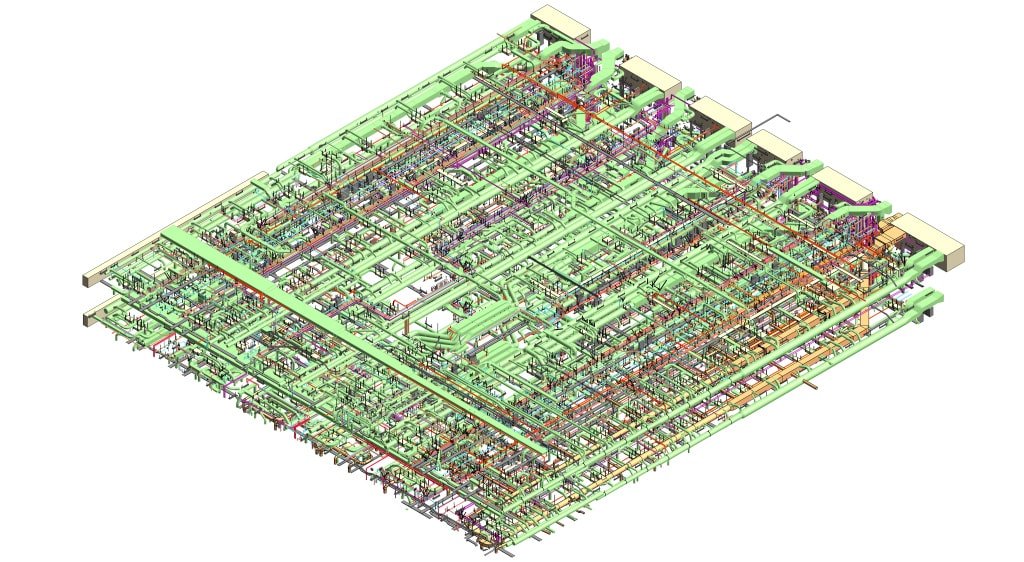
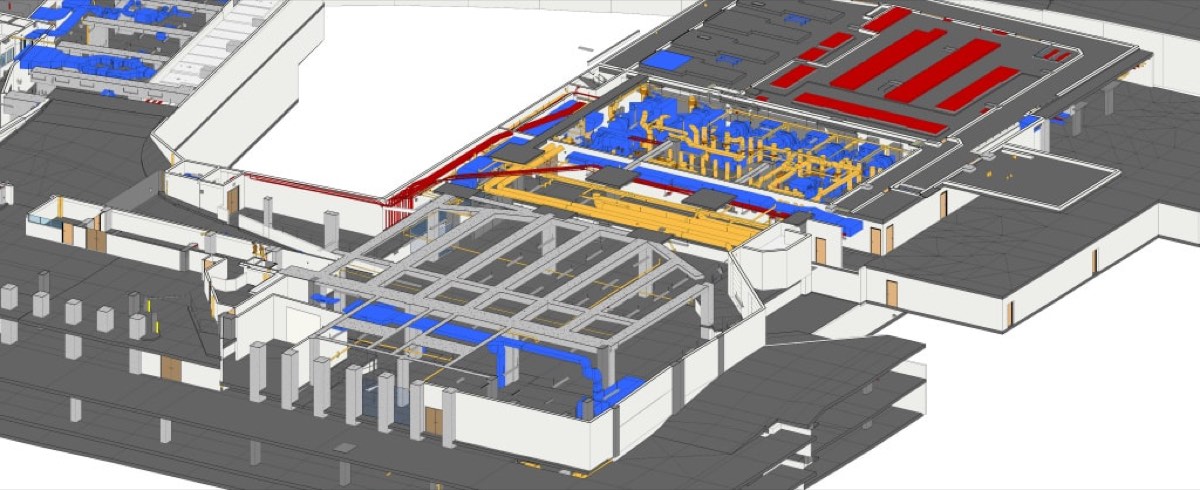
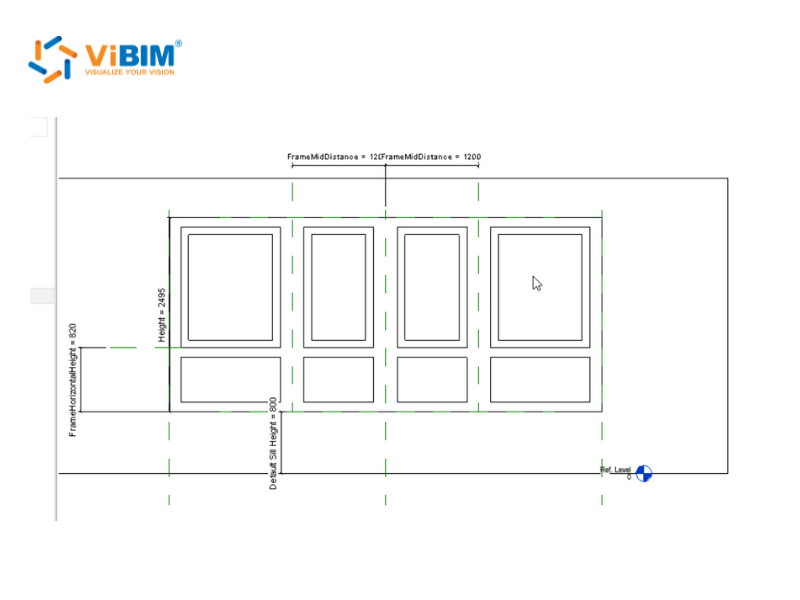
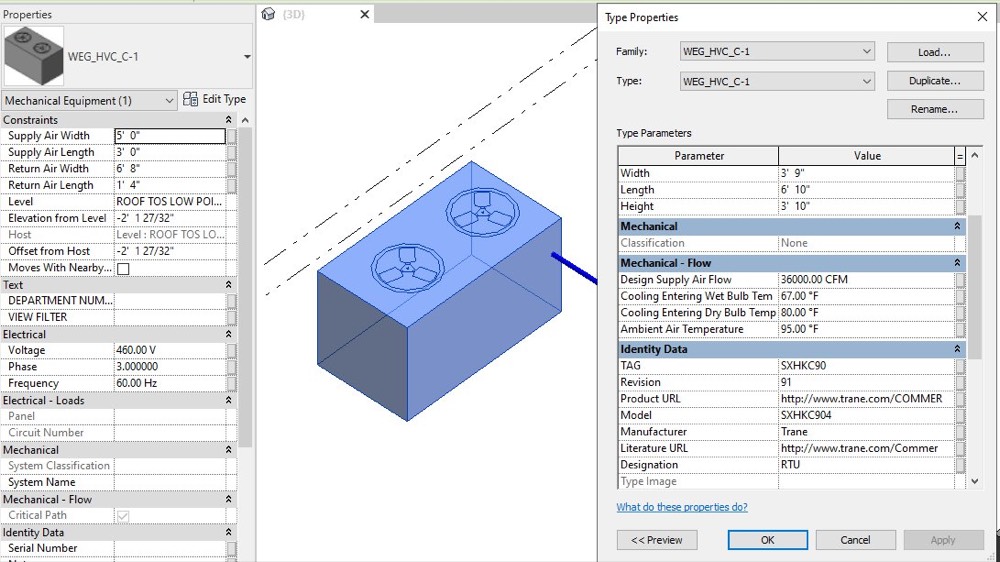
The scan to BIM process for Texas projects runs from point cloud and coordinate setup through discipline modeling and QA/QC to revisions from your QC markups.
The thirteen steps are listed below:
1
Project Brief Analysis and Scope Clarification
2
Point Cloud Preparation and Coordinate Setup
3
Level and Grid Establishment
4
Element Classification and Modeling Setup
5
Architecture Modeling
6
Structure & MEP Modeling (if required)
7
LOD & LOI Validation
8
Family Creation and Parameter Setup
9
Model Coordination and Clash Check
10
QA/QC Review & Tolerance Compliance
11
First Model Submission
12
Model Revision Based on Client’s QC Markups
13
Final Delivery and Closeout
Texas scan to BIM models are built to the model-to-scan tolerance, coordinate system, and LOD set in your brief. ViBIM’s reviewers check the model against all three before delivery. The four controls are described below:

INDEPENDENT
QC LAYERS
Has a model ever landed in the wrong State Plane zone on your project?
Industries served in Texas each need different elements modeled, such as warehouse mezzanines, hospital medical gas lines, and courthouse ornamental detail. Each industry is described below:
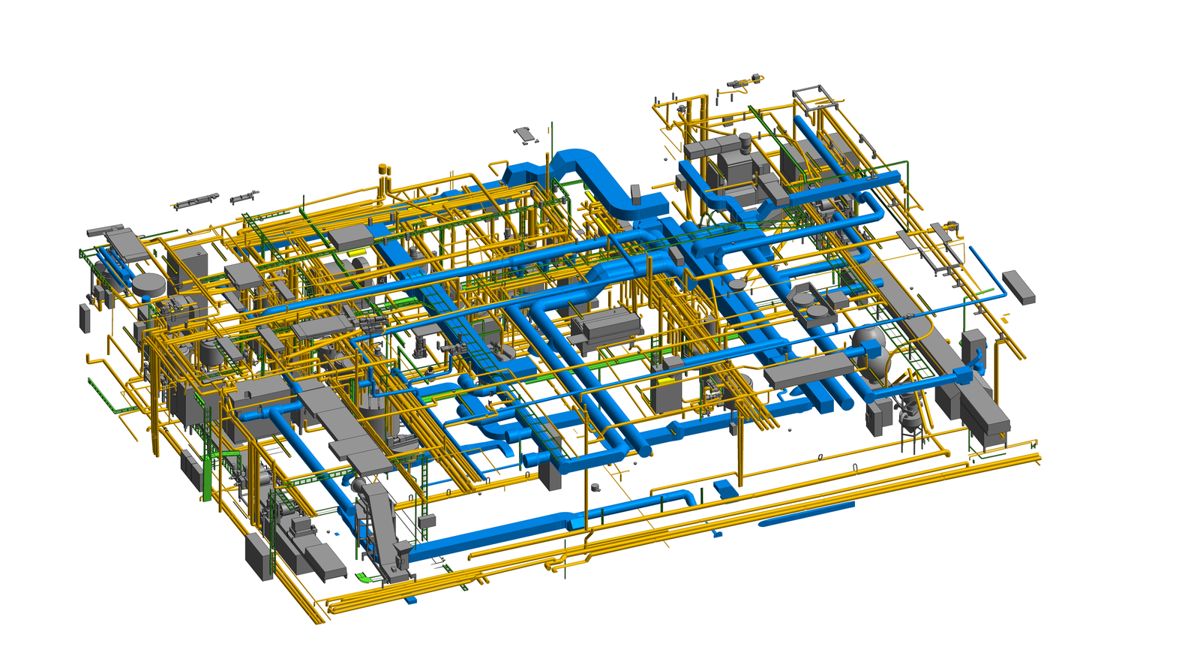
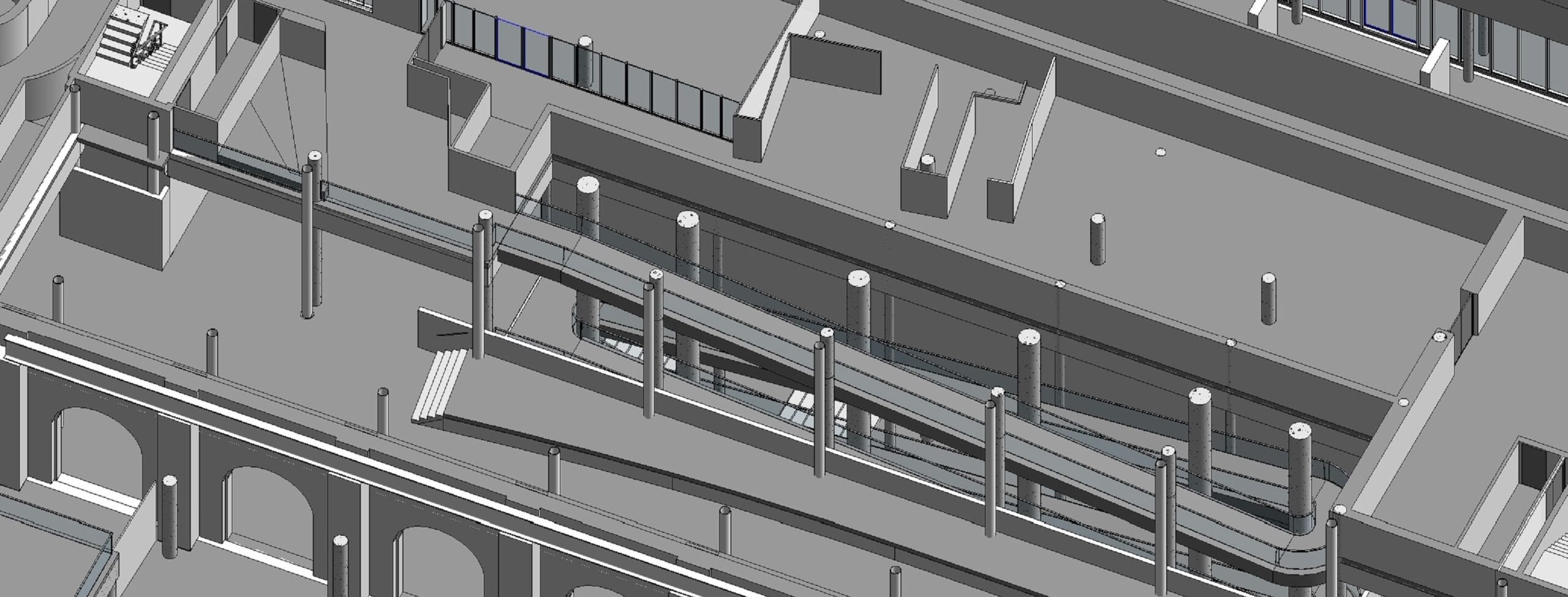
Manufacturing plants and distribution warehouses need their mezzanines, roof framing, and overhead MEP systems modeled before layout changes.
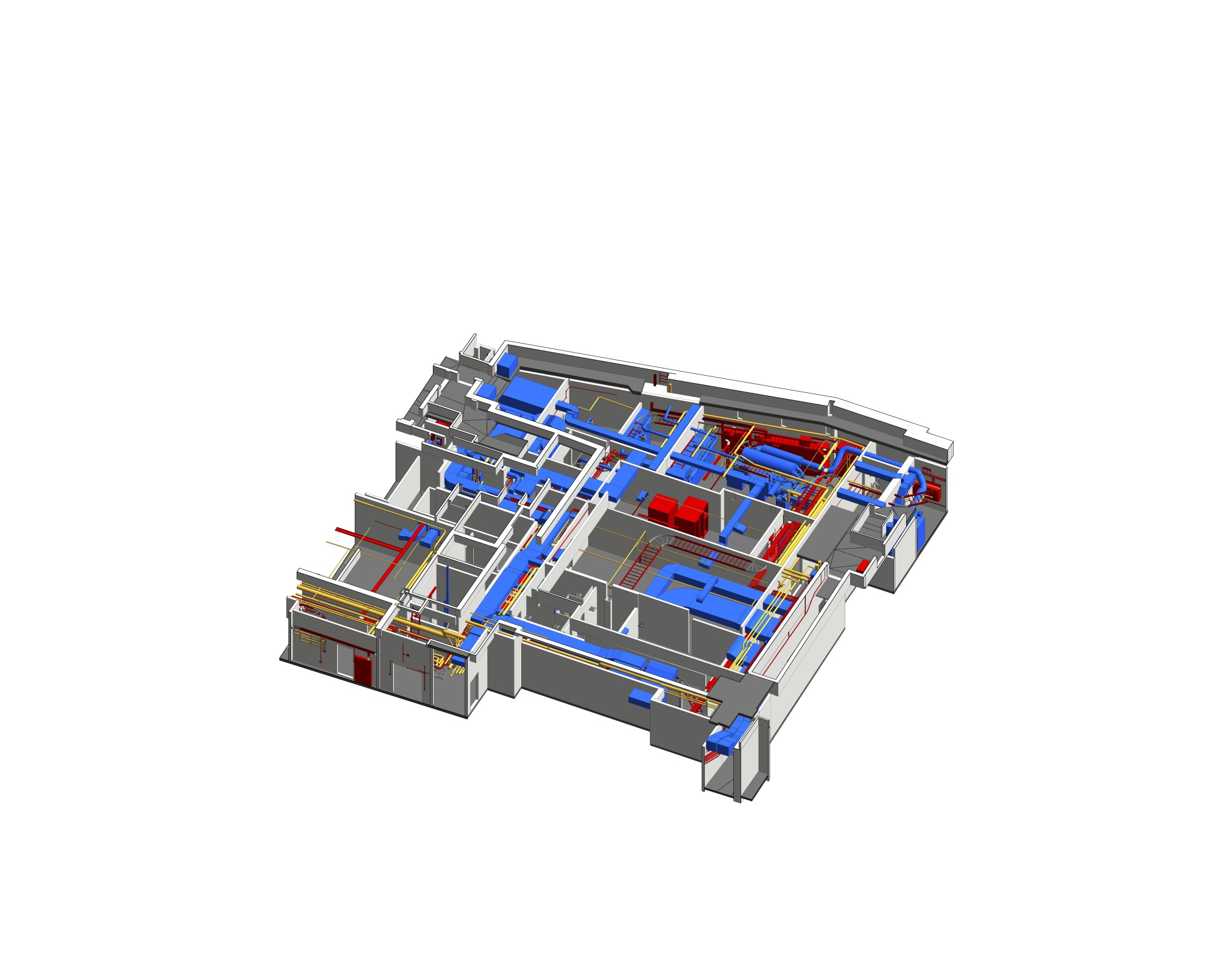
Office towers and retail centers need current models of floor plates, ceilings, and MEP systems before tenant improvements and building upgrades.
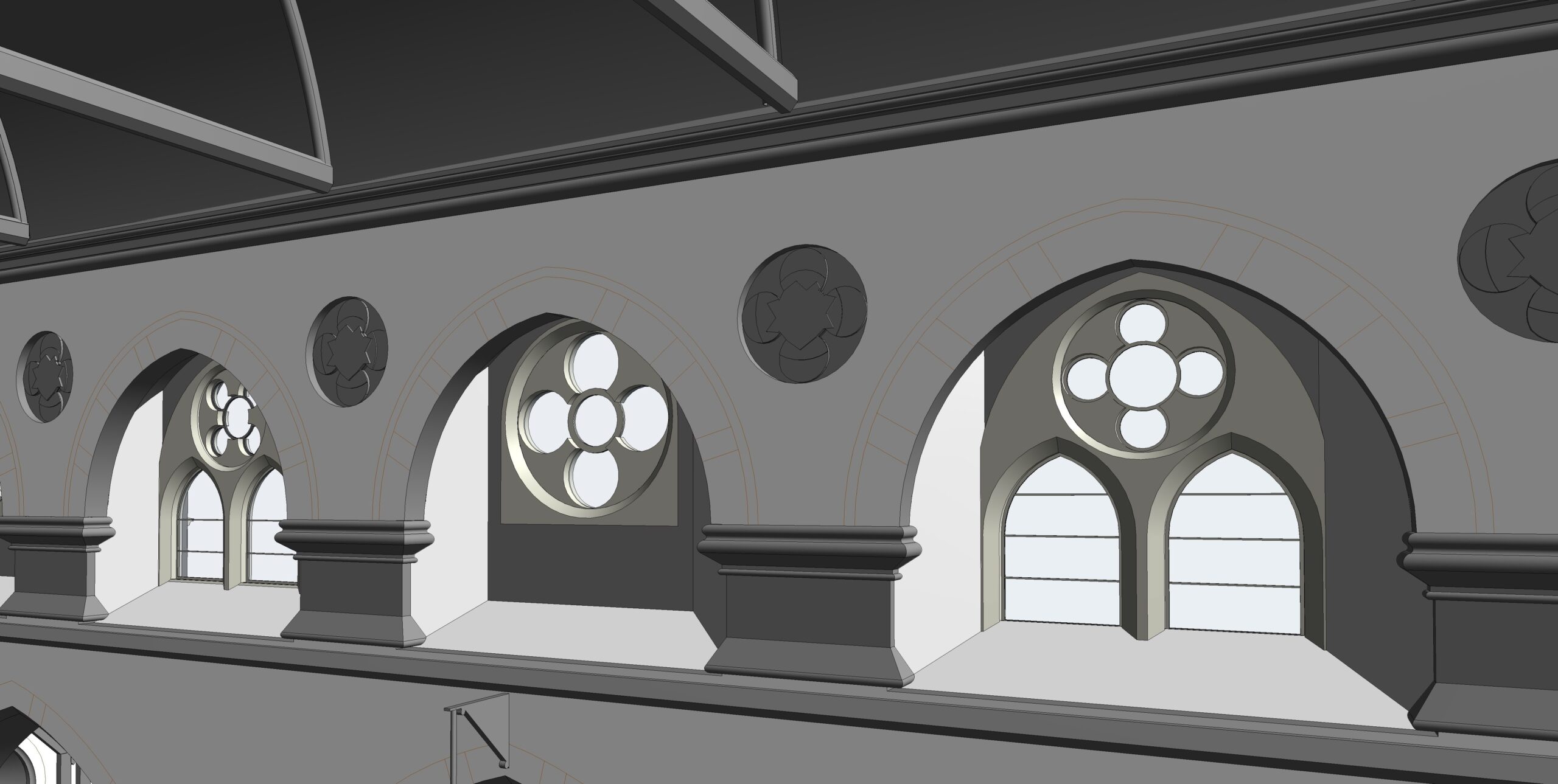
From the 107 county courthouses in the Texas Historical Commission’s program to San Antonio’s UNESCO-listed missions, conservators check changes against modeled walls, openings, and ornament.

Hospital upgrades in the Texas Medical Center and beyond need medical gas, HVAC, and electrical systems modeled before work starts.
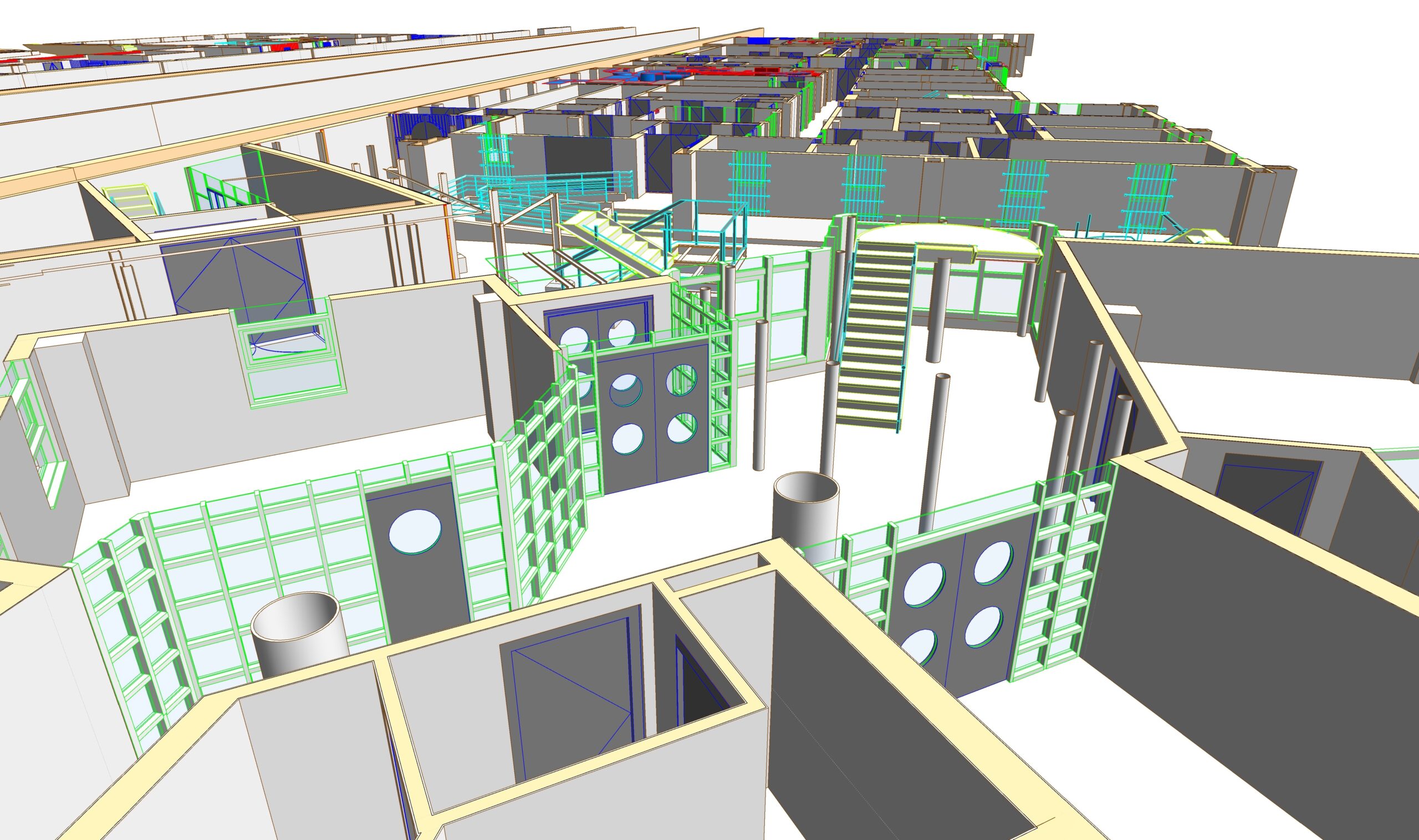
School district and university renovations start from models of classrooms, labs, and above-ceiling MEP systems.

Airport terminals and parking structures are modeled so expansion teams can plan around existing columns, ramps, and utilities.

Multifamily renovations and home additions need the model to show where existing walls, floors, and MEP runs sit.
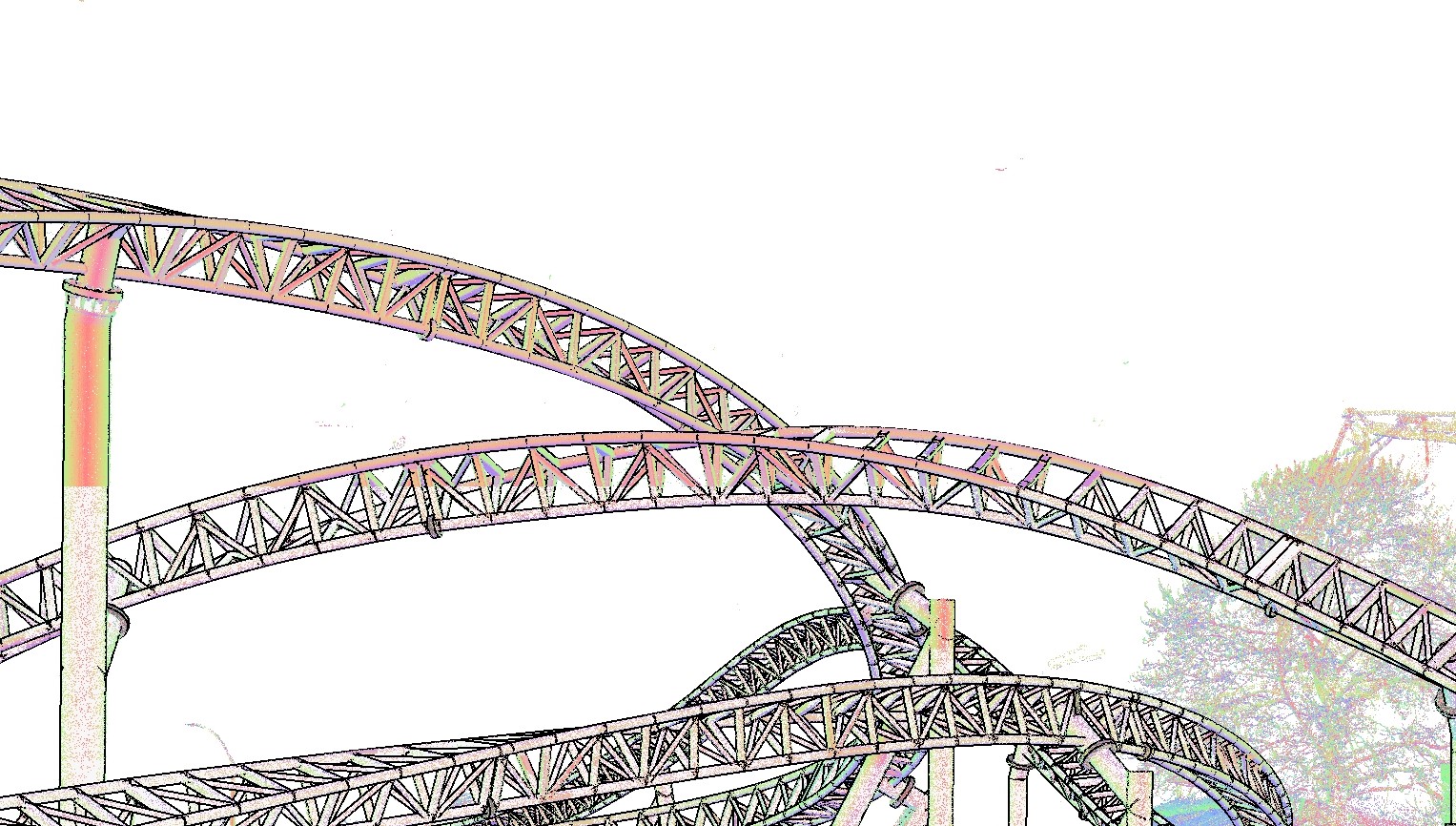
Stadium, park, and convention center upgrades start from a site model of terrain, structures, and utilities.
Scan to BIM services from ViBIM support existing-building projects in Texas with a model that owners and contractors use before retrofit, expansion, or renovation starts. Across Houston, Dallas-Fort Worth, and the rest of Texas, that model serves industrial and petrochemical facilities, data centers, and commercial renovation and adaptive reuse. The three project types are described below:
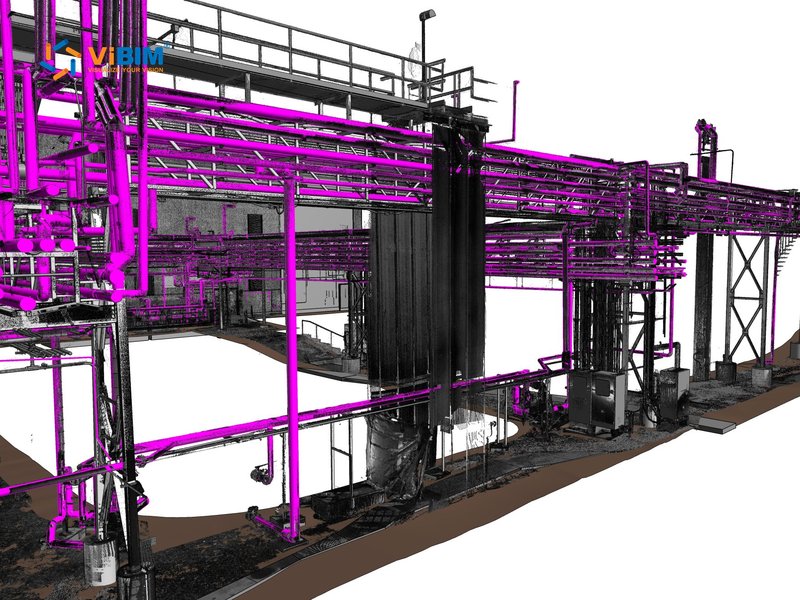
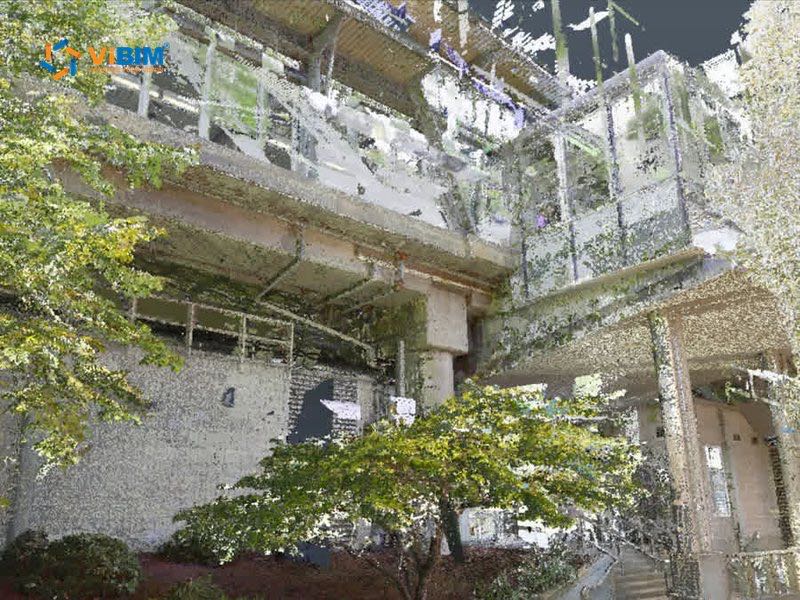
Texas refineries hold about one-third of US refining capacity. Plants along the Gulf Coast accumulate years of undocumented piping changes. On the Houston Ship Channel, home to the nation’s largest petrochemical complex, ViBIM models pipe racks and tie-ins before each planned turnaround.
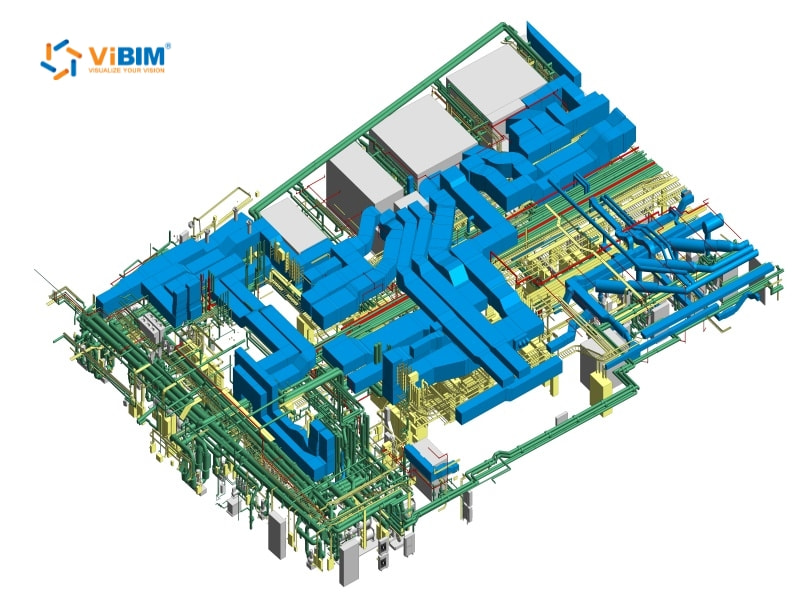
Data centers pack dense MEP systems into tight clearances. In Dallas-Fort Worth, one of North America’s largest data center markets, ViBIM models existing ducts and cable trays so new routes are clash-checked first.
Retail build-outs, office upgrades, and adaptive reuse projects inherit years of changes missing from the original drawings. The Texas Accessibility Standards (TAS) cover most retail and office alterations regardless of cost, and architects check designs against ViBIM’s model of existing doors and corridors. With a scan-based Revit model, architects design against the building as built, and contractors price the work from the same model.
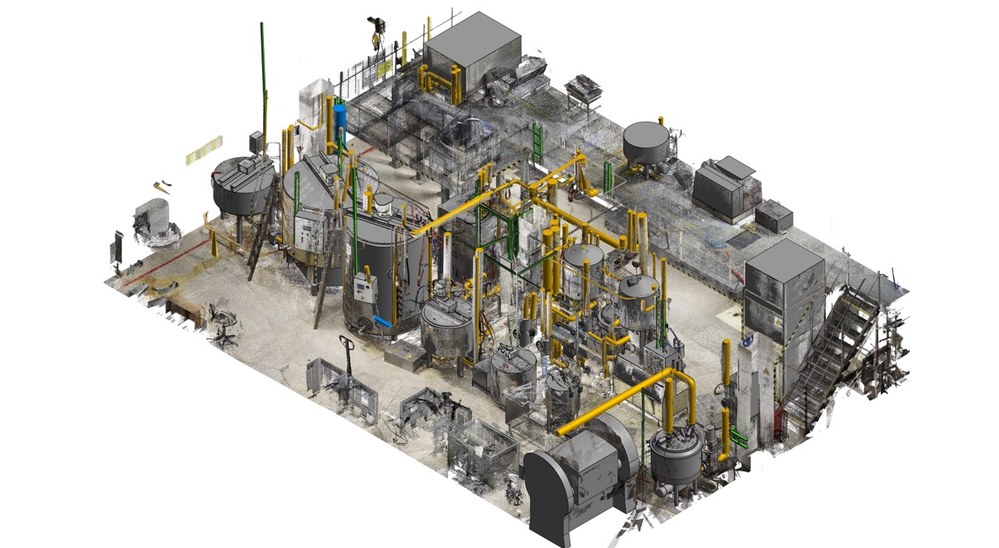
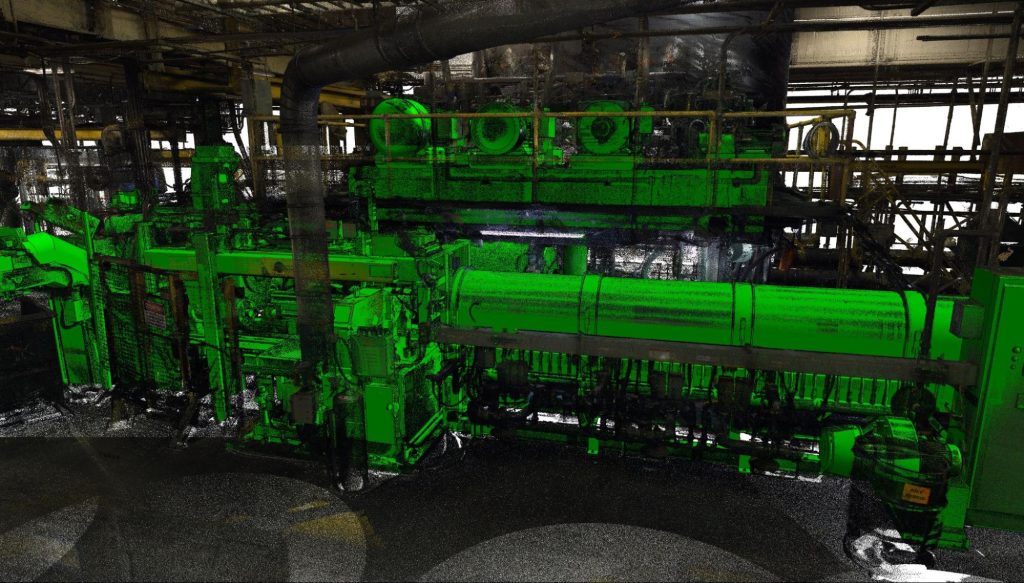
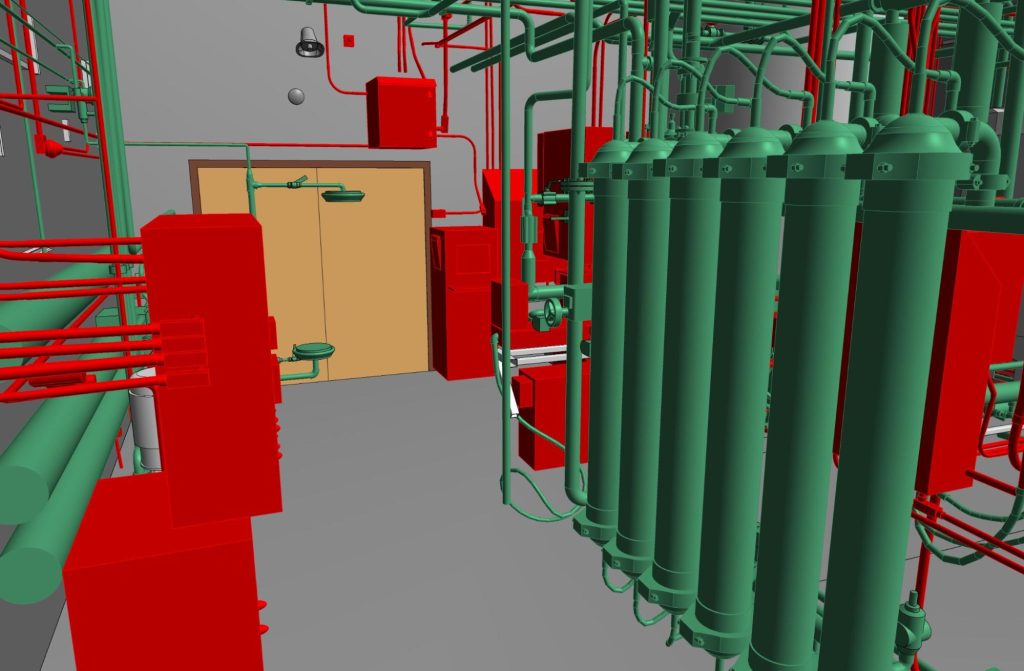
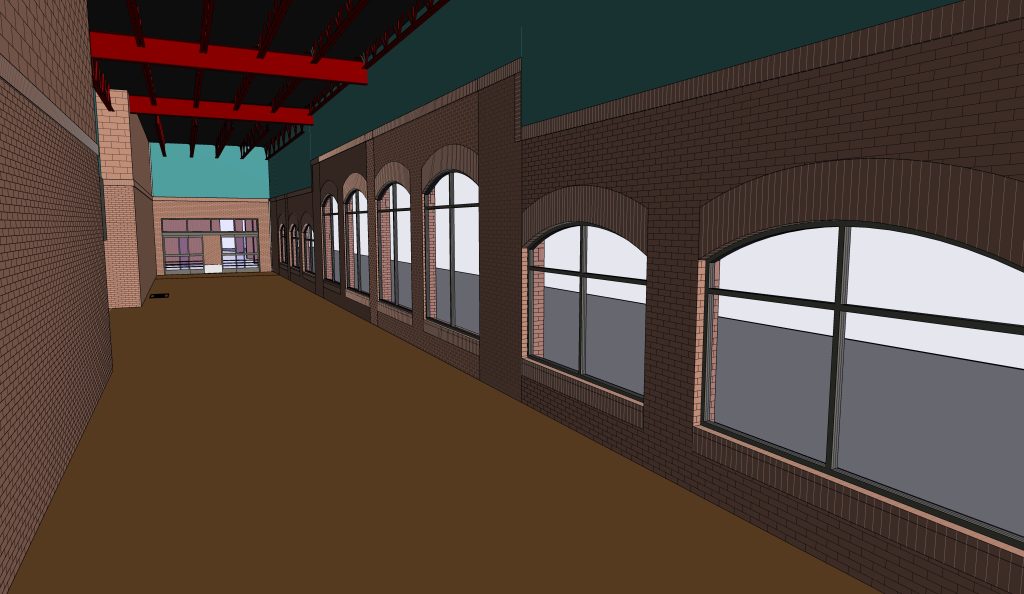
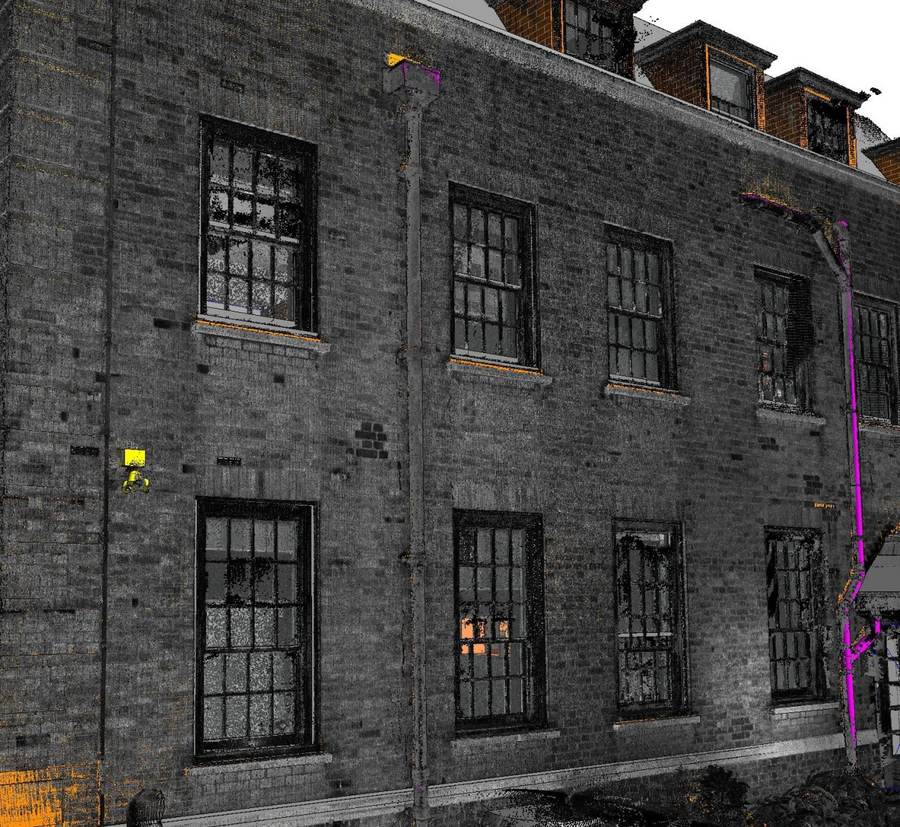
ViBIM’s featured scan to BIM projects show what a remote modeling team returns from a client’s scan, from dense MEP systems to facility management data. The featured projects come from other US states, cover building types common on Texas sites, and are part of 1,000+ BIM projects delivered since 2014.

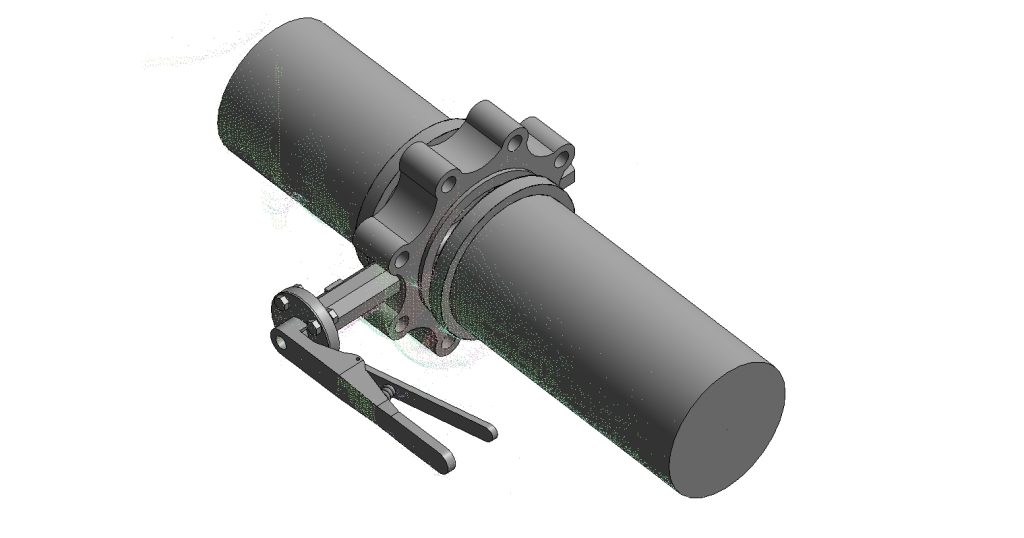
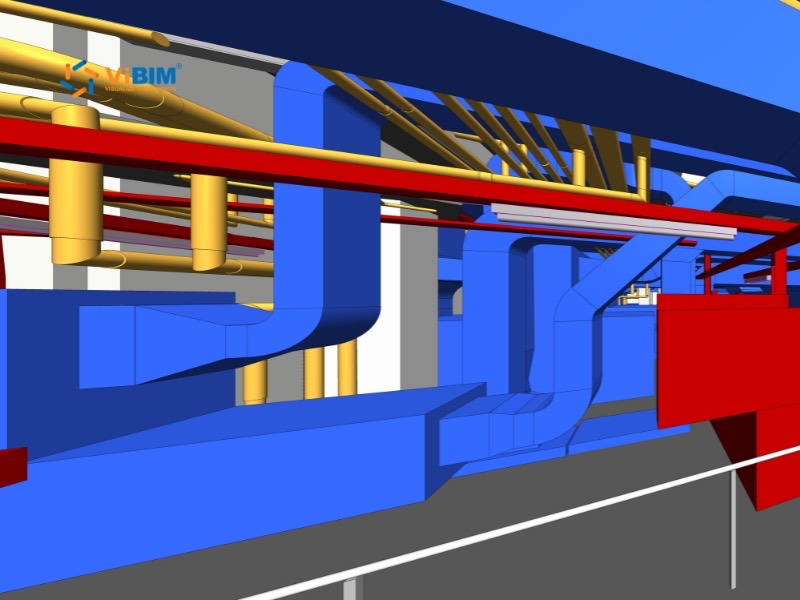
Revit Modeling for MEP Systems at Industrial Factory in the United States
View more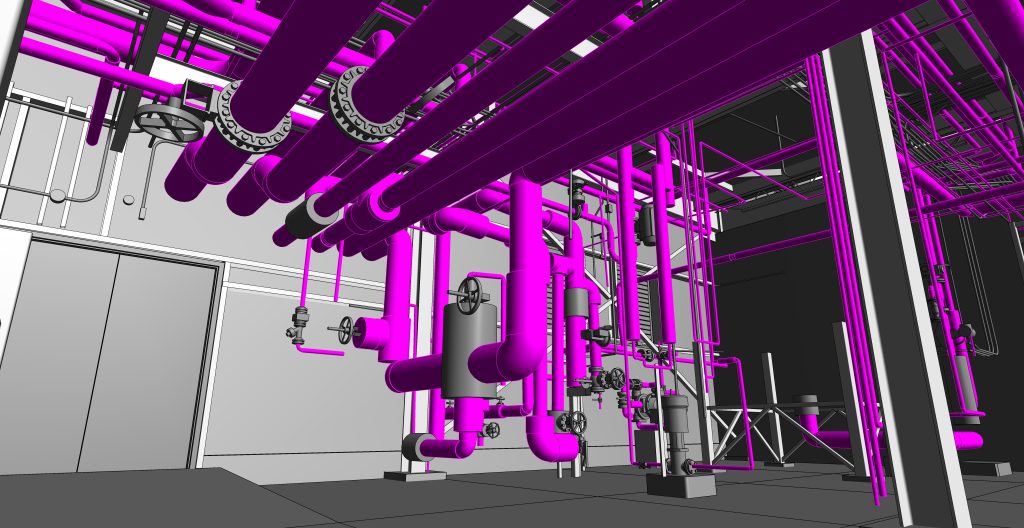
The advantages of choosing ViBIM‘s Revit modeling services for Texas scan to BIM projects are milestone dates set at kickoff, engineer-reviewed models, and one project manager through handover. The five advantages are described below:



 On-Time Delivery
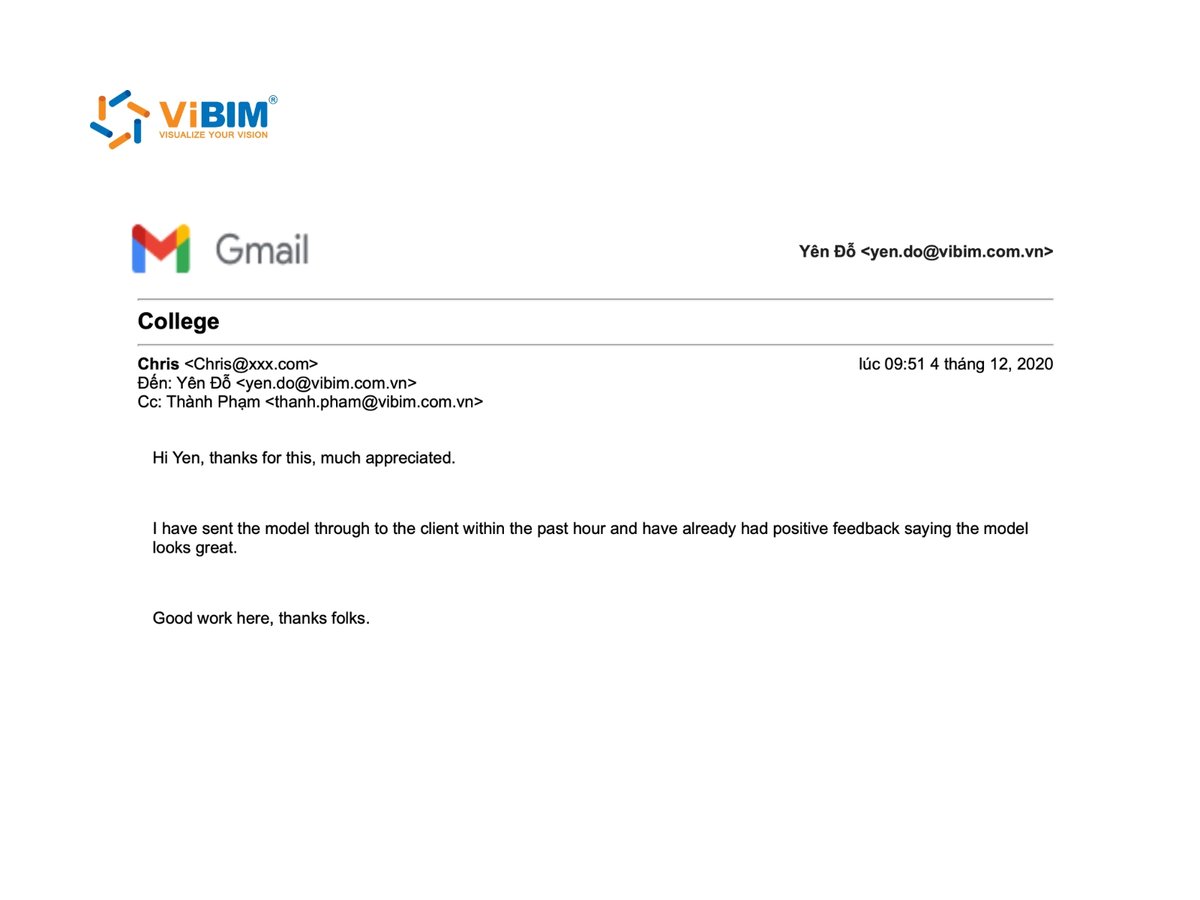
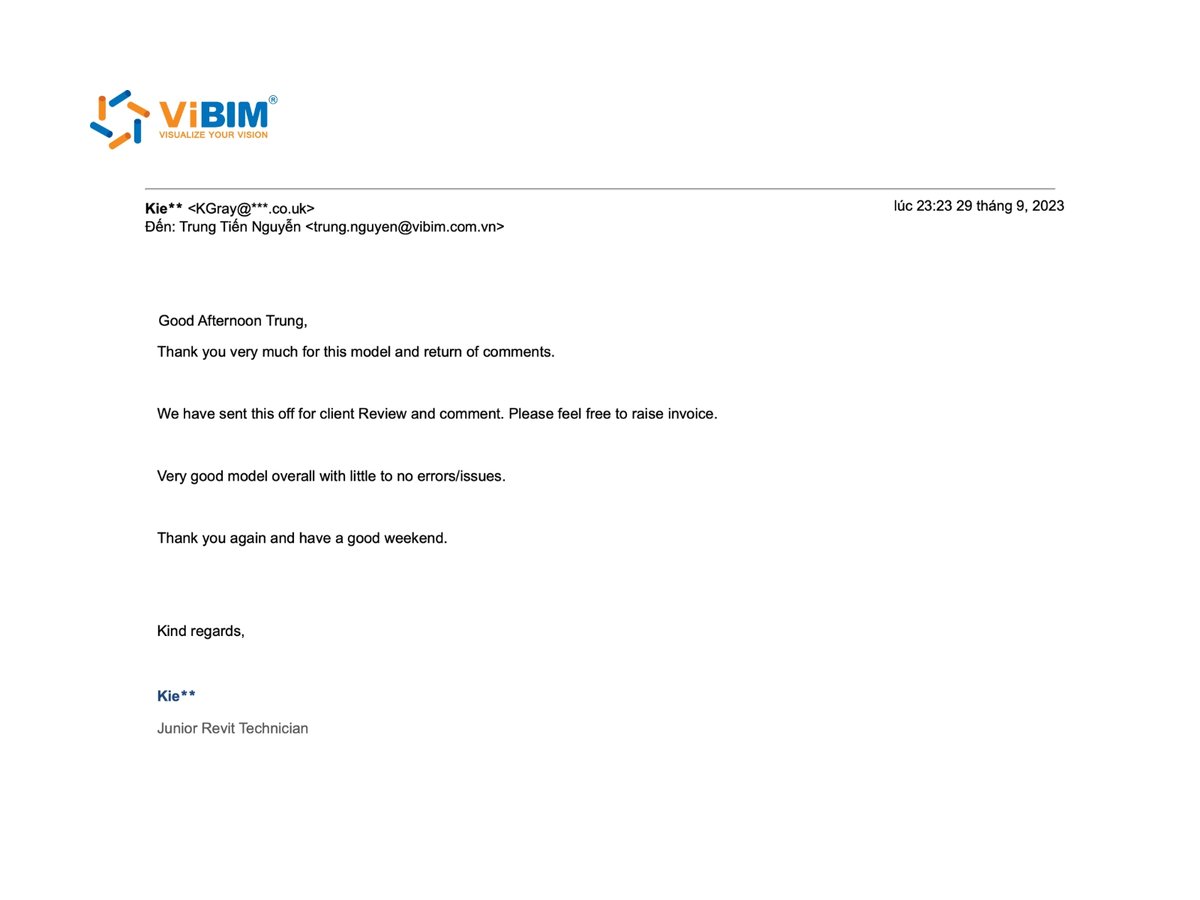
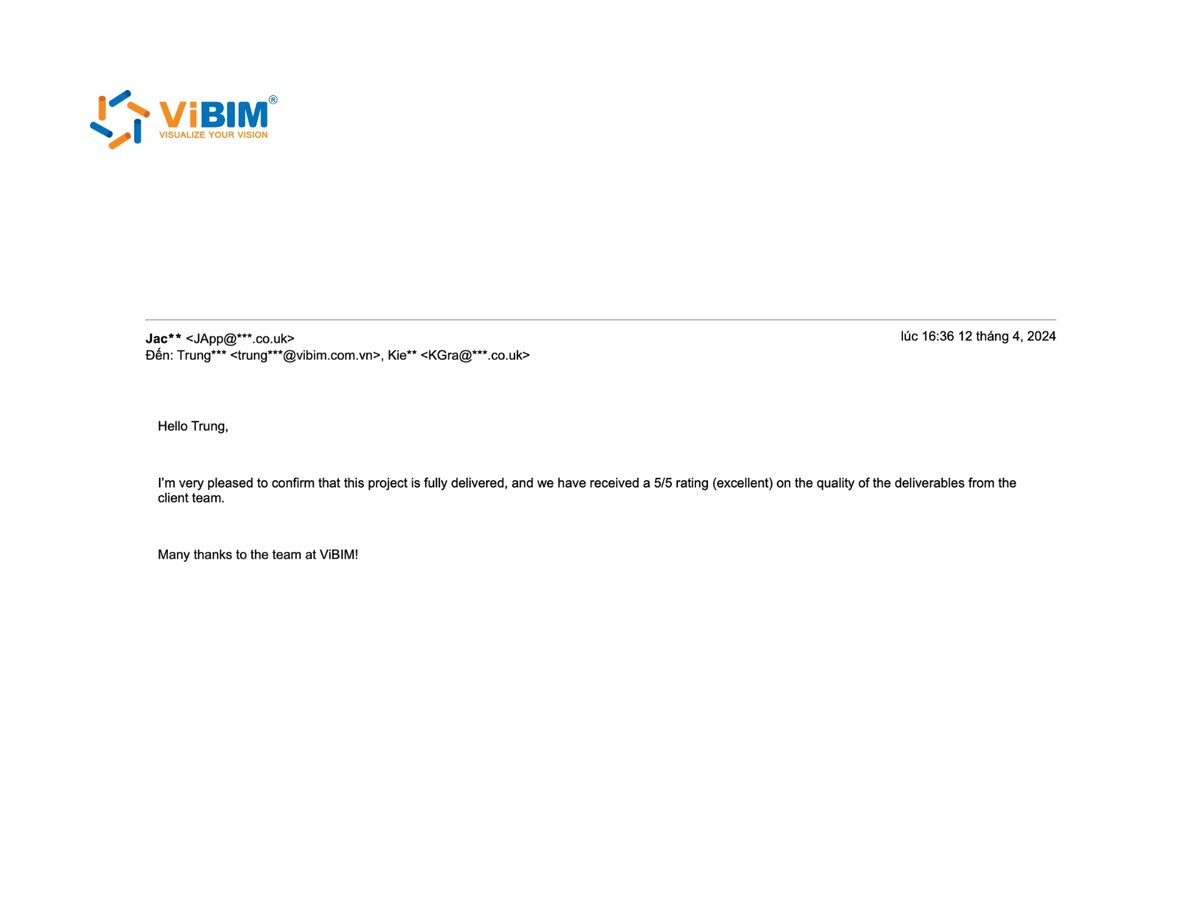
Milestone dates are agreed at kickoff, and 99% of projects are delivered on schedule.
 Fast Turnaround Time
ViBIM reduces production time by up to 30% by placing reusable families for common pumps, valves, and steel sections from its library instead of rebuilding them on each project.
 High Accuracy and Reliability
Engineers review every modeling stage, so the final deliverable reflects exact site conditions, capturing complex industrial structures and dense mechanical systems. Every modeler on the production team holds a degree in architecture or civil engineering.
 Responsive Communication
Emails get a reply within one hour between 8 AM and 11 PM (GMT+7), ViBIM’s working hours. One dedicated project manager stays with your project from kickoff to handover.
 Continuous Improvement
After each project, ViBIM revises its automation scripts, modeling conventions, and QC checklists before the next project runs on them.

Pham Thanh is the founder and CEO of ViBIM, which he grew from three employees into a 30-strong BIM outsourcing team. Contributed to Vietnam’s first national BIM Guidelines (Ministry of Construction, 2017). MBA, Solvay Brussels School of Economics and Management (2012); Bachelor of Architecture, ABAC University (2008); BIM Management Certificate, BCA Academy, Singapore (2014).

Do Van Yen is ViBIM’s Architectural Team Leader and one of its first three specialists, working with the founder since 2011. Has led architectural BIM modeling since 2014 and helped build the company’s Scan to BIM services and standards from the start. Civil Engineering, University of Transport and Communications.

Nguyen Tien Trung is ViBIM’s Structural Team Leader and manages the company’s BIM standardization system, leading structural modeling on its largest, most complex projects. Construction Engineering, Hanoi University of Civil Engineering (2019).

Truong Van Huong is ViBIM’s MEP Team Leader, leading mechanical, electrical and plumbing BIM modeling and coordination. Brings years of hands-on MEP design and implementation experience to large, complex project delivery. Bachelor’s in Electrical Engineering, specializing in Electrical Systems (2018).

Truong Quoc Trung is ViBIM’s Project Manager and one of its first-generation modelers, with the company since 2018. Runs its medium to large-scale BIM projects end to end and mentors new modelers. Practical Engineer’s degree in Civil Engineering, Construction Technical College No. 1 (2017).
A Texas scan to BIM quote starts from seven items, led by your point cloud and project scope. Complete information helps ViBIM deliver accurate quotes within 12–24 hours and begin modeling immediately. The seven items are listed below:
ViBIM’s scan to BIM services can be quoted one discipline at a time or as a set.
No point cloud yet? ViBIM provides preliminary estimates from TruView LGS files, Google Maps links, or site photographs.
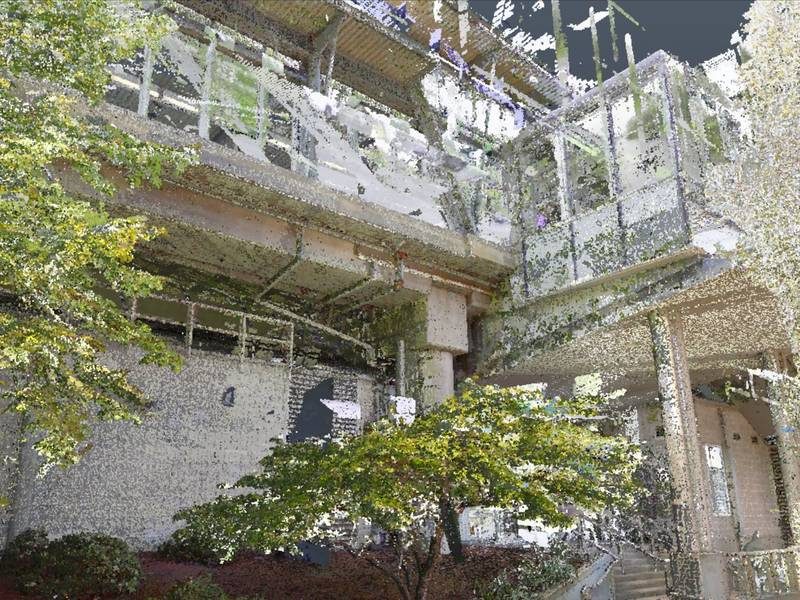
Ready to Start Your Texas Scan to BIM Project?
Share your point cloud data and project scope to receive a detailed quote, or ask for a complimentary trial project if you are new to ViBIM.

Outside Texas, survey and AEC firms across the US and abroad send ViBIM their scans through the same brief, QC, and handover steps. Each market is shown below:

United States

United Kingdom

Canada

Australia

European Union
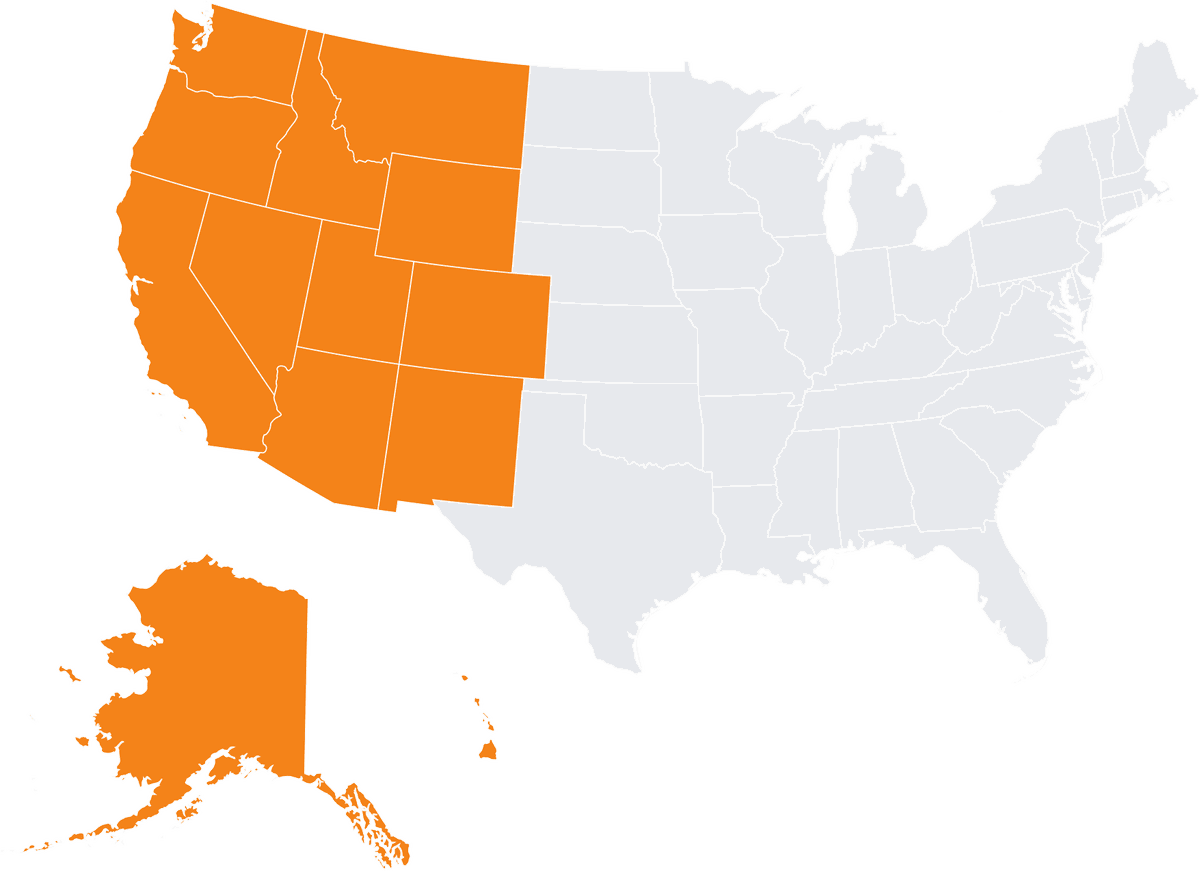
The US states and cities we serve are shown below:
Alaska
Arizona
California
Colorado
Hawaii
Idaho
Montana
Nevada
New Mexico
Oregon
Utah
Washington
Wyoming
Irvine
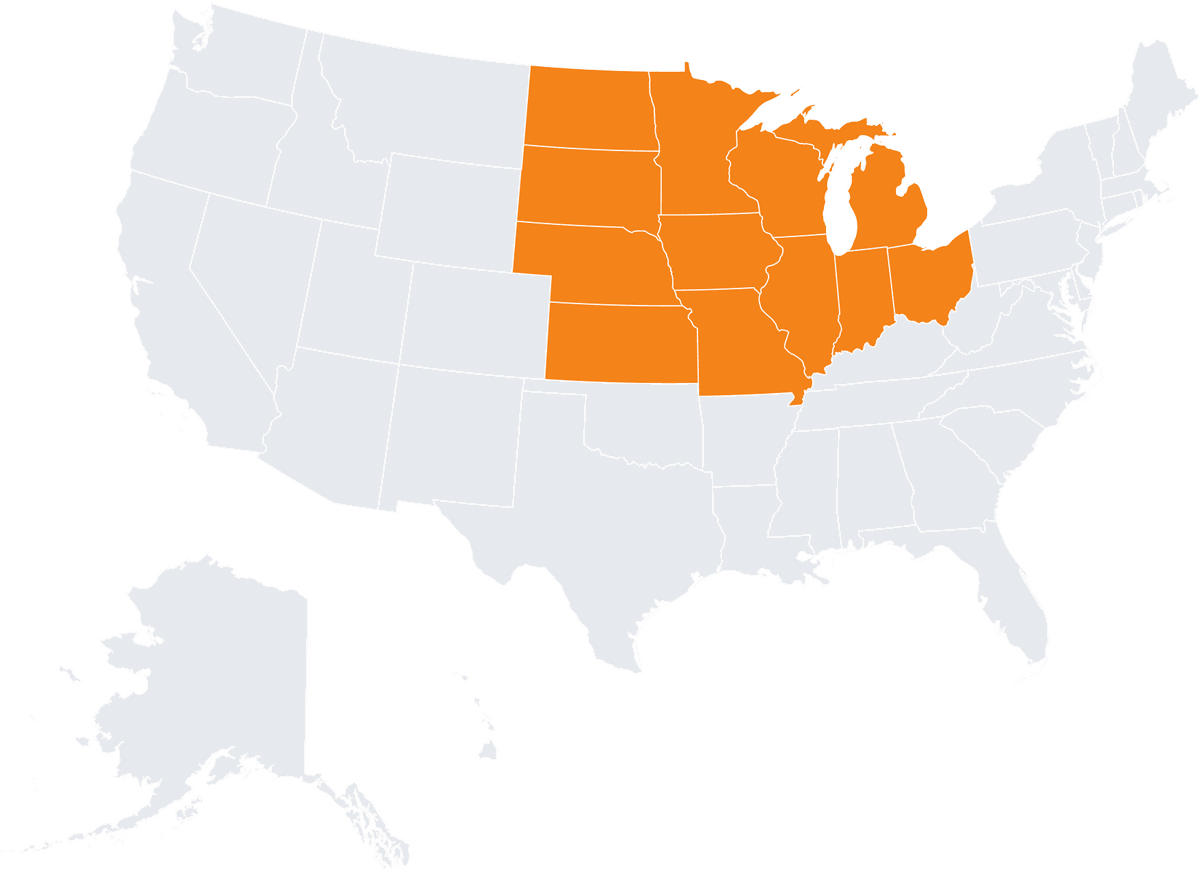
Illinois
Indiana
Iowa
Kansas
Michigan
Minnesota
Missouri
Nebraska
North Dakota
Ohio
South Dakota
Wisconsin
Chicago
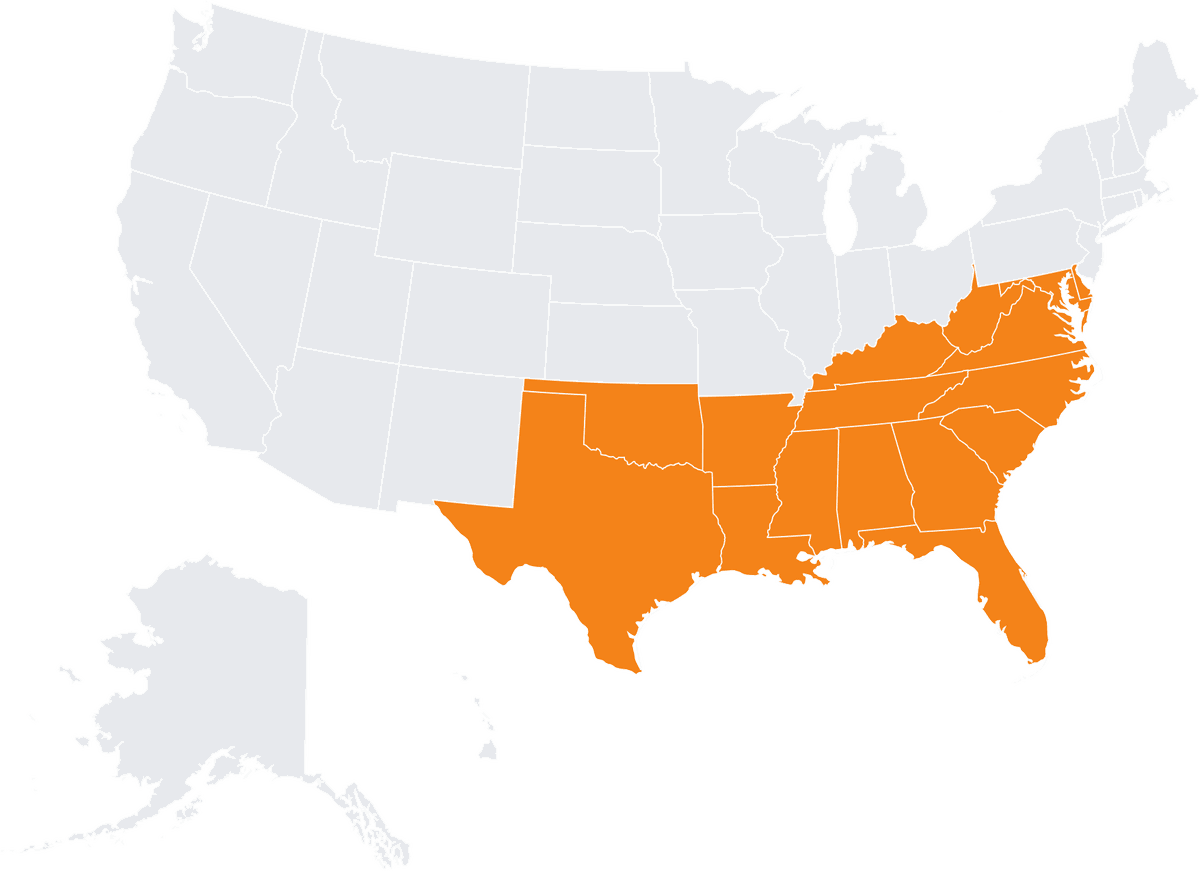
Alabama
Arkansas
Delaware
Florida
Georgia
Kentucky
Louisiana
Maryland
Mississippi
North Carolina
Oklahoma
South Carolina
Tennessee
Texas
Virginia
West Virginia
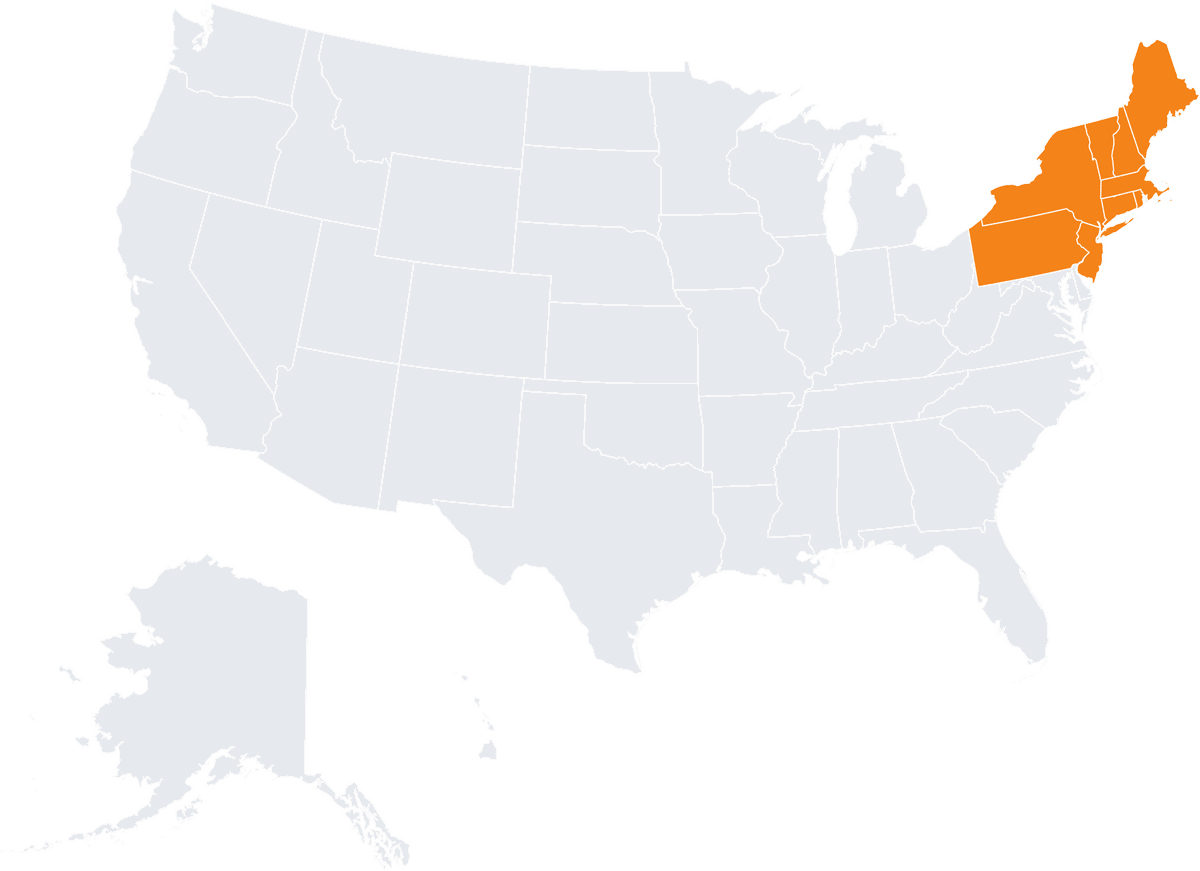
Connecticut
Maine
Massachusetts
New Hampshire
New Jersey
New York
Pennsylvania
Rhode Island
Vermont
Boston
In Texas scan to BIM, field capture and the accessibility review stay outside ViBIM, while modeling, coordinate setup, and QC start from the scan you send.
No, field capture stays with your crew, your scanning firm, or your Registered Professional Land Surveyor (RPLS), and ViBIM starts once the point cloud arrives. Clients share scans through secure platforms such as Autodesk Construction Cloud, Box, or FTP. Whether your crew scans in Houston, Dallas-Fort Worth, Austin, or San Antonio, ViBIM’s working hours of 8 AM to 11 PM (GMT+7) overlap the start of the Texas workday.
Yes. ViBIM produces as-built plans, sections, and elevations from the Revit model built from your scan and delivers them as DWG files with PDF review sets. For sites in Houston, Dallas, Austin, or San Antonio, the sheets support permit documentation, renovation sets for accessibility review, and field reference.
For survey requirements, ViBIM confirms the State Plane zone and foot definition of your scan at project setup, and the survey itself stays with your RPLS. For accessibility, the model shows existing door openings, corridor widths, and stairs, so your architect can check them against the 2012 Texas Accessibility Standards. Projects with an estimated construction cost of $50,000 or more go to a Registered Accessibility Specialist (RAS) for plan review, and ViBIM does not certify TAS compliance.
To choose a scan to BIM company in Texas, check the five points below:
The cost of scan to BIM in Texas depends mainly on floor area in square feet, the disciplines and LOD in your scope, and your model-to-scan tolerance. Dense process piping in Texas plants, coordination across disciplines, and the quality of your point cloud add modeling hours.
Yes, ViBIM’s team of 30+ professionals scales for large industrial facilities (9,290+ sq m / 100,000+ sq ft), multi-building campuses, and phased delivery requirements. We assign dedicated project managers for large-scale assignments.
START WITH A FREE TRIAL
Share your point cloud and project scope. We return a free trial model on your own data, plus a fixed quote, before you commit to anything.

Free trial model on your sample data
Scope, timeline and quote in 12–24 hours
NDA on request · secure file transfer
Scan to BIM guides and resources for teams planning a Texas project cover the basics, pricing, outsourcing, and scan preparation. The four guides are listed below:
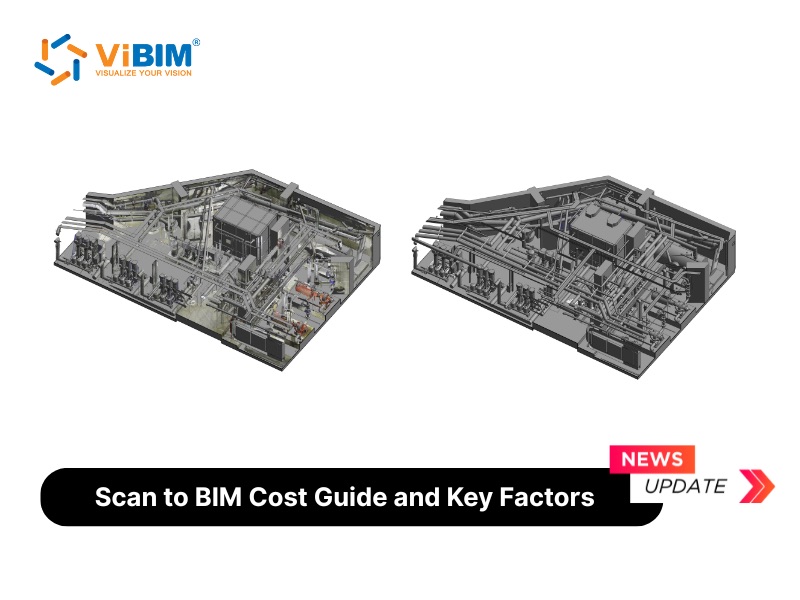
Scan to BIM Cost in 2026: Pricing Guide and Key Factors
Scan to BIM cost is the total investment required to create a digital building information model from 3D laser scan data. This cost comprises two main phases: the on-site laser...
How to Outsource Revit BIM Modeling: Your Comprehensive Guide to Choosing the Right Partner
Finding a reputable Revit BIM Modeling Service Provider is crucial for the success of any modern...
The Complete Scan to BIM Checklist
A Scan-to-BIM checklist is a structured list of tasks and requirements that covers the entire...
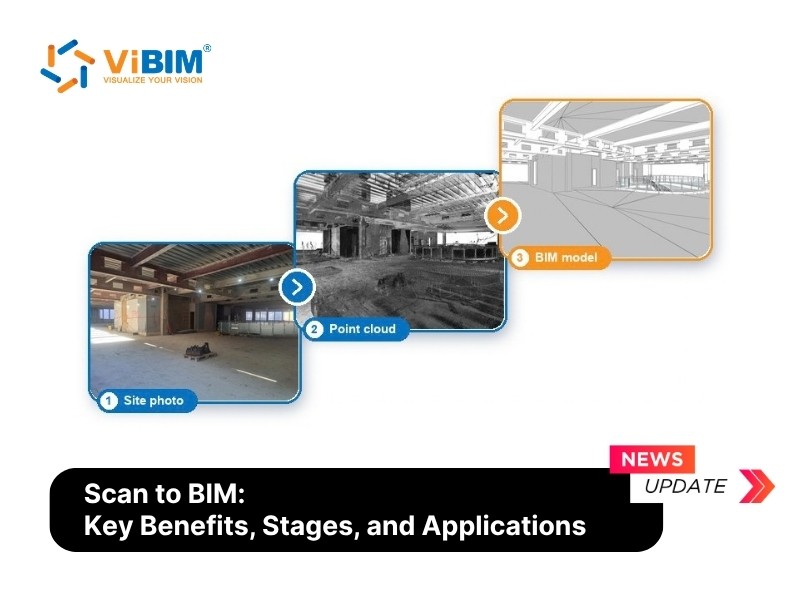
Scan to BIM: Key Benefits, 4-Stage Process, and Applications
Scan to BIM gives a project team an accurate, intelligent BIM model of a building...
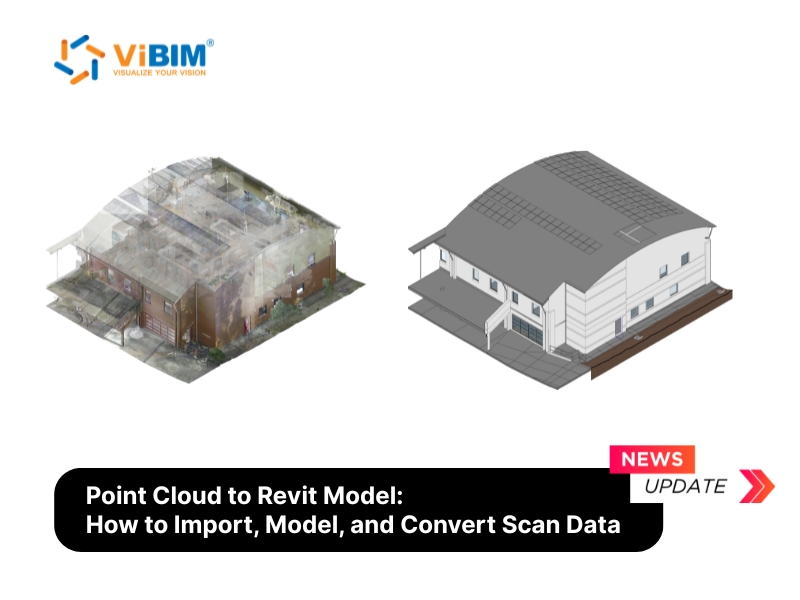
Point Cloud to Revit Model: How to Import, Model, and Convert Scan Data
Point cloud to Revit modeling is the process of converting laser scan data into a...