Finding a reputable Revit BIM Modeling Service Provider is crucial for the success of any modern architecture, engineering, or construction (AEC) project. The right partner offers years of proven experience, deep technical expertise, software skills, and a portfolio validated by positive client reviews. Choosing such a partner can significantly streamline project workflows, improve collaboration among stakeholders, and ensure the delivery of high-quality, accurate models. This guide will walk you through the essential criteria and steps to help you find and select the ideal outsourcing partner for your Revit BIM modeling needs, ensuring your project is built on a foundation of quality and reliability.

Why Choosing the Right Revit BIM Modeling Outsourcing Partner is Critical?
Selecting the right Revit BIM modeling outsourcing partner is a strategic decision that reverberates throughout a project’s lifecycle. The choice directly influences project timelines, budget adherence, the quality of deliverables, data security, and ultimately, your firm’s professional reputation.
The most immediate consequences of a poor partnership are project delays and budget overruns. An inexperienced provider may struggle with complex modeling tasks, leading to missed deadlines that disrupt the entire construction schedule. These delays invariably inflate costs through extended labor and potential penalties. This is often tied directly to the quality of the deliverables. Furthermore, a subpar partner may deliver models that are unusable for critical tasks like clash detection or quantity takeoffs, forcing your team to waste valuable time on corrections and compromising the integrity of the final built asset.
Beyond the construction site, there are critical business risks to consider. When outsourcing, you share sensitive project data and intellectual property. A partner with inadequate data security can expose your firm to breaches, leading to legal and financial repercussions. Ultimately, a pattern of delays, budget issues, and poor quality will tarnish your firm’s reputation. Client trust is hard-won and easily lost, and a failed project can have a lasting negative impact on your ability to secure future work.
Therefore, choosing the right partner is not just a project management decision; it is a critical investment in your firm’s long-term credibility and success.
To avoid the strategic pitfalls that lead to project failures, budget overruns, and damaged client relationships when implementing BIM workflows—whether in-house or outsourced—learn from our analysis of common mistakes in BIM implementation and how to proactively prevent them before they impact your firm’s reputation.

Key Factors for Selecting a Reputable Revit BIM Modeling Provider
To mitigate the risks and ensure a successful outsourcing partnership, it is essential to evaluate potential providers against a set of core criteria. These criteria will help you identify a partner that not only possesses the necessary technical skills but also aligns with your company’s values and project goals.
Technical Expertise and BIM Modeling Experience
A provider’s technical proficiency and hands-on experience are the bedrock of a successful partnership. True expertise goes beyond simple software knowledge; it encompasses a deep understanding of BIM workflows, industry-specific standards, and the practical challenges of complex projects. A team that has navigated a diverse range of projects is better equipped to anticipate issues, offer innovative solutions, and deliver a model that is both accurate and intelligent. When evaluating a potential partner, you must look for tangible evidence of their capabilities.
To properly vet their technical expertise and experience, focus on these key areas:
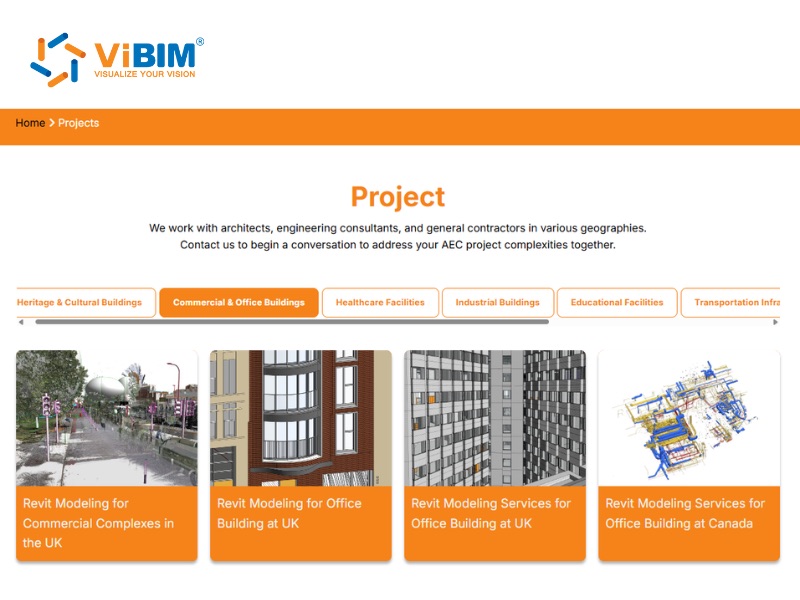
- Portfolio and Relevant Project Experience: A provider’s portfolio is their professional resume. Do not just look at the finished renderings; analyze their case studies for projects that are similar to yours in scope, scale, and industry sector (e.g., commercial, healthcare, industrial).
- Demonstrated Understanding of Level of Development (LOD): A crucial test of a provider’s expertise is their grasp of the Level of Development (LOD) framework. As outlined in various BIM execution plans, LOD specifies the level of detail and data reliability required at different stages of a project. Your partner must demonstrate the ability to produce models at the required specification—whether it’s LOD 200 for schematic design, LOD 350 for detailed coordination, or LOD 400 for fabrication. Ask for sample work that clearly showcases their proficiency across different LODs, as this confirms they can deliver models that are fit for purpose at every project phase.
- Project Management: Investigate their framework for managing timelines, ensuring quality control, and adapting to changes.
Modeling Competency
Beyond reviewing a provider’s history, it’s vital to assess their present-day competency and their process for engaging with a new project. This evaluation reveals not just what they have done, but what they can do for you right now.
- Scope Comprehension and Inquiry: Begin by providing potential partners with a sample project scope request. Their response will tell you more than a quote alone. A competent partner will thoroughly analyze the scope and ask intelligent, clarifying questions about project requirements, potential challenges, and deliverables. This demonstrates their ability to understand complex project problems and ensures the quote they provide is accurate and well-considered, minimizing the risk of future misunderstandings or scope creep.
- Technical Infrastructure and Software Proficiency: A skilled team is only as effective as the tools they use. Complex BIM models require significant computing power, and an under-equipped partner can face performance issues that cause delays. Inquire about their technical infrastructure, including their workstation hardware configurations, to ensure they have the capacity to handle large-scale, data-rich projects efficiently. Additionally, verify their software ecosystem. Are they using up-to-date versions of Revit and other key software like Navisworks? A robust and modern technical setup is a strong indicator of a provider’s ability to execute projects reliably.
- Project Sample: Requesting a project sample is an effective way to quickly evaluate quality and technical expertise. This involves the provider sending a selection of their past work, such as a specific model or a set of drawings from a completed project. This allows you to perform an initial check on their attention to detail and overall quality standards.
- Project Demo (Pilot Project): For the most definitive assessment, commission a paid project demo. This involves sending a small, clearly defined scope from your project and having the outsourcing unit create and deliver the product. The demo is the most intuitive way to evaluate several critical factors at once: Can they meet your technical and quality standards in a real-world test? Are there discrepancies in how they interpret your requirements? How effective is their communication and handover process? This small-scale trial provides a clear and accurate snapshot of their current capabilities and what it will be like to work with them. At ViBIM, we provide a free demo for your project if you need.
Industry Specialization
The AEC industry is multifaceted, with each sector having its unique set of challenges and requirements. Therefore, it is crucial to select a partner with specialized knowledge in your specific industry, whether it be architecture, engineering, construction, or interior design. An outsourcing provider that understands the nuances of your sector will be better equipped to anticipate potential issues, adhere to industry-specific standards, and deliver models that are not only accurate but also practical for your project’s needs. This specialized expertise can save valuable time and resources by ensuring that the BIM models are fit for purpose from the outset. For example, an architectural modeling specialist will have a keen eye for design intent and aesthetic detail, while a construction-focused partner will prioritize constructability and fabrication accuracy.
Beyond the industry itself, a top-tier partner also possesses experience and deep knowledge of the BIM standards and professional practices within your specific country or region. BIM mandates and execution guidelines can vary significantly across the globe, from the National BIM Standard in the United States to the ISO 19650 series prevalent in the UK and Europe. A provider with a proven track record of projects in your market will be familiar with local building codes, measurement conventions, and submission requirements. This regional expertise ensures their team can integrate seamlessly with yours, producing deliverables that are not only high-quality but also fully compliant with your local industry’s best practices.
Quality Assurance and Consistency
A reputable Revit BIM modeling provider will have robust quality assurance (QA) and quality control (QC) processes in place. Inquire about their methodologies for reviewing and validating models to ensure accuracy and adherence to your project specifications. A thorough QC process should include checks for clashes, data integrity, and compliance with BIM standards. For renovation and retrofit workflows, specific Scan to BIM quality control protocols are necessary to verify that the model accurately reflects reality capture data. It is also important to understand their process for handling revisions and feedback. A reliable partner will be responsive to your requests and capable of delivering consistently high-quality work throughout the project lifecycle.
Furthermore, look for a partner who utilizes specialized software, and potentially even their own internal tools, to perform automated QA/QC checks. These automated systems can process vast amounts of data to identify discrepancies and ensure a level of accuracy and reliability that manual methods cannot achieve.
Strong Communication and Collaboration
Effective communication is the lifeblood of any successful outsourcing relationship, especially in the fast-paced AEC industry. A partner may have exceptional technical skills, but if they cannot collaborate effectively, the project is destined for frustration and delays. Seamless collaboration requires clear channels, proactive updates, and a partner who functions as an extension of your own team.
Look for a provider who can guarantee:
- Regular Progress Updates: Choose a partner who commits to a schedule of regular updates, whether daily, weekly, or at key milestones. This ensures you are always informed of the project’s status and can address potential issues before they escalate.
- Responsiveness to Feedback: The ability to listen to, understand, and act on your feedback promptly is non-negotiable. A collaborative partner values your input and can pivot quickly to incorporate changes, ensuring the final model aligns perfectly with your vision.
- A Clear Point of Contact: Having a dedicated project manager or single point of contact simplifies communication, eliminates confusion, and ensures accountability. This person should be fluent in your language and possess a thorough understanding of the project’s technical requirements.
- Time Zone Flexibility: For overseas clients, a partner’s willingness to work across different time zones is crucial. A truly collaborative provider will offer flexible communication hours, ensuring they are available for meetings and discussions during your local business day, even if it falls outside their own. This adaptability is critical for maintaining project momentum, resolving issues quickly, and ensuring that time differences never become a barrier to progress.
Transparent Pricing and Detailed Contracts
Clarity in financial and legal matters is essential for building a foundation of trust with your outsourcing partner. A reputable provider will be upfront about their pricing structure and will work with you to establish a comprehensive contract that protects both parties. Ambiguity in these areas is a major red flag and can lead to disputes and unexpected costs down the line.
Before signing any agreement, ensure you have clarity on the following:
- Transparent Pricing Structure: The partner should provide a clear, detailed breakdown of their costs. Whether they charge per hour, per sheet, or a fixed price for the entire project, you must understand exactly what is included. Ask about potential additional charges for revisions, scope changes, or expedited delivery to avoid any hidden costs.
- Detailed Contract Clauses: The contract is your primary tool for risk management. Insist on a detailed agreement that explicitly outlines the scope of work, a complete list of deliverables, clear payment milestones, and clauses defining intellectual property rights and data ownership. This legal framework ensures that expectations are aligned and provides recourse if issues arise.
To establish realistic budget expectations and understand the pricing variables before entering contract negotiations, review our detailed analysis of 3D laser scan to BIM cost factors—including how project complexity, LOD requirements, and deliverable formats impact your total investment.
Strong Data Security and Confidentiality Measures
Your project data, including designs, drawings, and client information, is a valuable and sensitive asset. Entrusting it to a third party requires absolute confidence in their ability to protect it. A top-tier outsourcing partner will have stringent security protocols in place to safeguard your intellectual property from cyber threats and unauthorized access.
Key security measures to verify include:
- Non-Disclosure Agreements (NDAs) and Contracts: At a minimum, your partner must be willing to sign a legally binding non-disclosure agreement (NDA). This should be standard practice. The contract should also contain clear confidentiality clauses that legally obligate them to protect your project information.
- Cybersecurity Protocols: Inquire about their specific cybersecurity measures. Do they use secure file transfer protocols (SFTP)? Are their networks protected by robust firewalls and access controls? Do they conduct regular security audits? A provider who takes cybersecurity seriously will be able to detail their security infrastructure and policies with confidence.
- Data Backup and Recovery Systems: Beyond security from external threats, it’s crucial to ensure your data is safe from loss. A reputable partner must have a robust data backup and recovery plan. This should include an automated, daily system that creates redundant copies of your project files. This ensures that your data is protected against any number of risks such as accidental deletion, file corruption, hardware failure, power outages, or even natural disasters, guaranteeing business continuity and the integrity of your project at all times.
References and Reviews
The past performance of a potential partner is one of the most reliable indicators of their future success with your project. While a company’s own marketing materials are useful, the unbiased opinions of previous clients provide a much clearer picture of their capabilities, professionalism, and reliability. Diligent research into a provider’s reputation is a crucial step in the vetting process.
To get a complete view, you should:
- Check Client Testimonials and Request References: Look for detailed testimonials and case studies on their website. More importantly, ask for a list of past clients you can contact directly. A reliable partner will be happy to connect you with references who can speak to their quality of work, communication style, and ability to meet deadlines.
- Research Their Online Reputation: Conduct your own independent research. Look for online reviews on platforms like Google, Clutch, or industry-specific forums. A thorough search can uncover both positive feedback and any potential red flags, such as complaints about quality, missed deadlines, or poor communication, helping you avoid a potentially risky partnership.

6-Step Process to Successfully Outsource Your Revit Project
Navigating the outsourcing process can seem daunting, but breaking it down into a structured, step-by-step approach simplifies the journey and ensures you cover all critical bases. Following this five-step process will help you move from initial consideration to successful project completion with confidence.
- Step 1: Define Your Project Scope and Requirements: Before you begin searching for a partner, clearly document your project’s needs. This includes defining the required Level of Development (LOD), specific deliverables (e.g., 3D models, 2D construction drawings, pointcloud files, site photos), project timelines, and any specific BIM standards or protocols that must be followed. A well-defined scope is essential for getting accurate proposals and measuring success.
- Step 2: Finding and Vetting Potential Revit Service Providers: Use online research, industry networks, and professional platforms to create a shortlist of potential partners. Once you have a list, begin the vetting process using the core criteria outlined in the previous section. Review their portfolios, assess their technical skills, and research their reputation to narrow down the field to the most qualified candidates.
- Step 3: Evaluating Proposals and Choosing Your Partner: Submit your detailed project scope to your shortlisted providers and request formal proposals. Evaluate these proposals not just on price, but on their understanding of your requirements, their proposed workflow, and the team they assign to your project. A pilot project or a paid trial can be an excellent way to assess their quality and collaboration style before committing to a long-term contract.
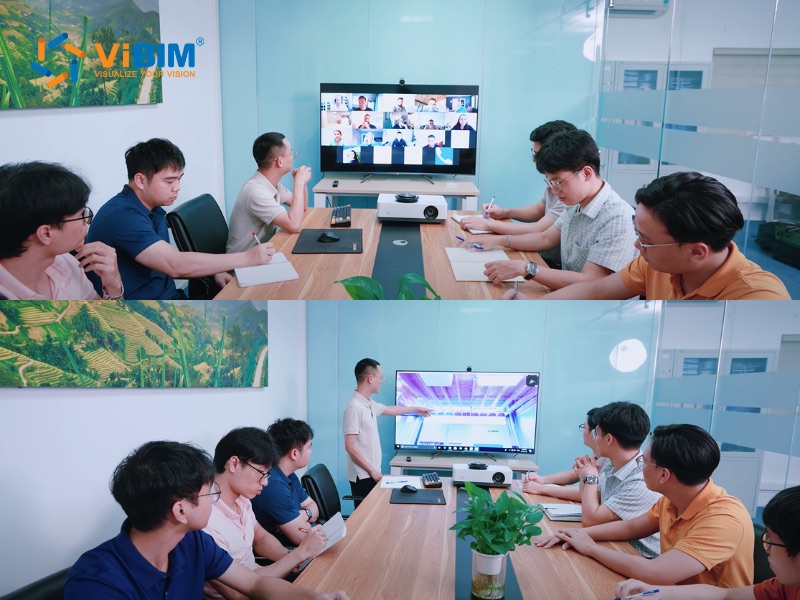
- Step 4: Conduct an Online Interview and Discussion: For major projects, a proposal is not enough. Schedule a video conference to meet the team, especially the project manager who will be your point of contact. This step is critical for evaluating essential soft skills that don’t appear on paper, such as their English-speaking ability, professional attitude, and cultural fit. Use this discussion to gauge their true understanding of your project’s characteristics and challenges. Their ability to communicate clearly and ask insightful questions is a strong indicator of a successful future partnership.
- Step 5: Establishing a Solid Contract and Communication Plan: Once you’ve selected your partner, work with them to draft a comprehensive contract that covers all aspects of the project, including scope, deliverables, timeline, payment terms, and confidentiality. Simultaneously, establish a clear communication plan. Define the primary points of contact, the frequency of meetings, and the platforms you will use for collaboration and file sharing.
- Step 6: Managing the Project and Ensuring Quality: Outsourcing doesn’t mean abdicating responsibility. Stay actively involved throughout the project. Conduct regular check-in meetings to monitor progress, provide timely feedback on deliverables, and ensure the partner is adhering to the agreed-upon quality standards. Proactive project management is key to keeping the project on track and achieving the desired outcome.
ViBIM – Your Trusted Revit BIM Modeling Outsourcing Partner
Choosing the right Revit BIM Modeling outsourcing partner is the most important step toward leveraging the full power of BIM. At ViBIM, we understand that trust is built on a foundation of proven expertise, uncompromising quality, and seamless collaboration. We specialize in providing high-precision Point Cloud to BIM Services, transforming complex point cloud data into intelligent, actionable models for the AEC industry.
Our commitment to excellence is reflected in every aspect of our work. We combine cutting-edge technology with a team of highly skilled and experienced BIM specialists who are dedicated to bringing your vision to life with unparalleled accuracy.
What sets ViBIM apart?
- Expertise in Point Cloud to BIM: We are specialists in converting raw laser scan data into rich, detailed Revit models, ensuring every element is accurately represented.
- Rigorous Quality Assurance: Our multi-stage quality control process guarantees that every model is error-free, fully compliant with your standards, and ready for immediate use.
- Dedicated Project Management: You will have a single point of contact dedicated to your project, ensuring clear communication and a deep understanding of your goals from start to finish.
- Data Security as a Priority: We operate under strict NDAs and utilize secure, state-of-the-art infrastructure to protect your confidential project data at all times.
- On-Time Delivery: We have a proven track record of completing 99% of our projects exactly as scheduled, a testament to our reliability and professionalism.
- Accelerated Turnaround Time: By leveraging optimized workflows and advanced technology, ViBIM consistently delivers faster turnaround times—up to 30% shorter than industry standards—helping you save time, reduce stress, and keep your project moving forward with confidence.
- Commitment to Continuous Improvement: Technology constantly evolves, and ViBIM is dedicated to staying ahead of the curve. Through the strategic use of automation, AI, and streamlined workflows, we continuously innovate our processes to deliver superior results and greater efficiency on every project.
By choosing ViBIM as your Revit BIM modeling outsourcing partner, you can be confident that you are working with a team that is committed to your project’s success.
Contact ViBIM:
- Address: 10th floor, CIT Building, No 6, Valley 15, Duy Tan street, Cau Giay ward, Hanoi, Vietnam
- Phone: (+84) 944.798.298
- Email: info@vibim.com.vn
- Website: https://vibimglobal.com/

ViBIM combines expertise in Point Cloud to BIM technology with a commitment to quality, security, and on-time delivery.
The journey to successfully outsourcing your Revit BIM modeling needs is one that requires careful consideration and a methodical approach. By prioritizing the core criteria of technical expertise, industry specialization, quality assurance, strong communication, transparent pricing, and robust data security, you can confidently select a partner that will not only meet but exceed your expectations. A well-vetted outsourcing partner becomes a valuable extension of your team, contributing to streamlined workflows, enhanced project quality, and ultimately, a stronger competitive edge in the dynamic AEC landscape. As you embark on this process, remember that the right partnership is an investment in the success and resilience of your future projects.