3D laser scanning is a technology that utilizes laser beams to rapidly and accurately measure distances to surfaces, creating detailed 3D representations of objects, environments, or landscapes. Renowned for its exceptional accuracy, portability, speed, and non-contact safety, this technology has become an indispensable tool across numerous industries. From preserving historical landmarks to enhancing surgical precision, the applications of 3D laser scanning are vast and continuously expanding. This guide will provide a comprehensive overview of what 3D laser scanning is, how it works, its various types, benefits, and real-world applications, as well as answer some frequently asked questions.

What is 3D Laser Scanning?
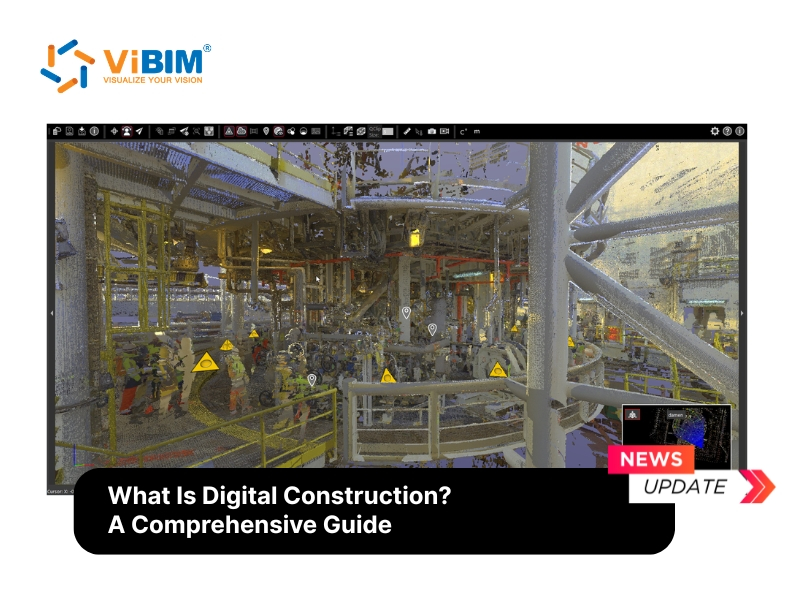
3D laser scanning technology captures precise measurements of buildings and objects, producing point clouds that create accurate 3D digital representations of real-world environments. These scanners create “point clouds” of data from the surface of an object, which can then be used to create accurate 3D models. The process involves multiple technologies, including time-of-flight, phase-shift, and triangulation, each suited for different applications and scales. Its popularity has soared in fields like engineering, construction, heritage preservation, and even forensics due to its remarkable advantages. Modern 3D laser scanners are highly portable, allowing for easy transportation to and from sites. They are inherently safe, as they don’t require physical contact with the object being scanned, and they deliver highly accurate data, making them a reliable choice for projects where precision is paramount.

How Does 3D Laser Scanning Work?
The fundamental principle behind 3D laser scanning is surprisingly straightforward. A laser scanner emits a laser beam that reflects off an object and returns to the scanner’s sensor. The scanner then calculates the distance to the object by measuring the time it takes for the laser beam to travel to the object and back. This process is repeated millions of times per second, creating a dense cloud of data points, known as a point cloud. Each point in this cloud represents a specific location on the surface of the scanned object.
The process can be broken down into these key steps:
- Scanning: The 3D laser scanner is set up in a location with a clear line of sight to the object or area to be scanned. The scanner rotates and pivots, sweeping the laser beam across the entire surface.
- Data Capture: As the laser hits the surface, the scanner records the position of each reflection as a coordinate point (X, Y, Z). This collection of points forms the point cloud.
- Registration: If the object is large or complex, multiple scans from different positions are required. The process of aligning and combining these individual scans into a single, cohesive point cloud is called point cloud registration.
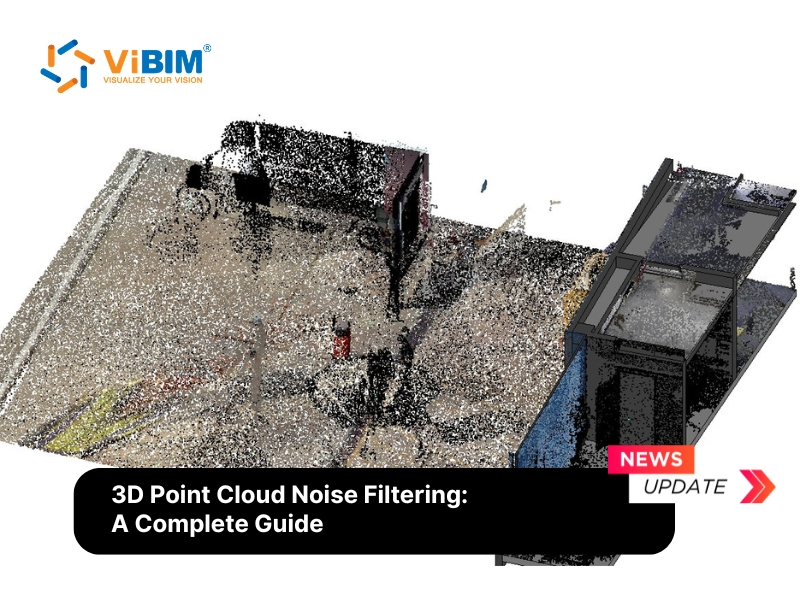
- Processing: The final point cloud is then processed using specialized software to clean up any noise or unwanted data points. From this clean data, a 3D model can be generated, which can be a mesh or a solid model depending on the application.
Types of Laser Scanning Technology
There are three primary types of 3D laser scanning technologies, each with its own strengths and ideal use cases. For a deeper dive into specific models, you can explore our list of the top 11 3D laser scanners.
Time-of-flight systems
The time-of-flight laser scanner calculates distance using the formula:
Distance = (Speed of Light × Time-of-Flight) / 2
Time-of-flight (ToF) scanners measure the distance to an object by timing how long it takes for a pulse of laser light to travel to the object and back. By measuring the time it takes for the laser signal to return, the scanner determines both the distance to the target object and its horizontal and vertical angles across a grid—covering a 360° horizontal field and roughly a 330° vertical field.
Each scan produces millions of data points, with the measured distances converted into precise 3D coordinates (x, y, z) to form a point cloud. This point cloud is then processed to create a digital representation of the scanned environment.
Common ToF scanners include the Leica RTC360 and the Faro Focus series. These scanners capture large-scale environments and objects over long distances, making them a standard choice for surveying and architecture. Because ToF systems generate the dense point clouds that LiDAR platforms rely on, understanding how to convert a lidar point cloud 3d model is a natural next step for teams moving from data capture to BIM-ready deliverables.

Phase-shift systems
The phase-based laser scanner calculates distance by measuring the phase difference between the emitted and reflected laser signals. Its operation follows the formula:
Time-of-Flight (TOF) = Phase Shift / (2π × Modulation Frequency)
Phase-shift scanners work by comparing the phase of the outgoing laser beam with the phase of the returning beam. They are generally faster and more accurate than time-of-flight scanners at medium ranges, making them well-suited for applications in industrial facilities, and detailed architectural scanning. Examples of phase-shift scanners include the Z+F IMAGER series.

Triangulation-based laser scanners
Triangulation-based scanners project a laser line or point onto an object and use a camera to look at the location of the laser. By knowing the distance between the camera and the laser source, the scanner can calculate the distance to the laser’s reflection point.
Triangulation laser scanners are designed for applications that demand micron-level accuracy, making them ideal for short-range scanning between 0.5 and 2 meters. The system works on trigonometric principles and typically involves three main components: a laser source, a camera, and the object itself. The object is placed on a rotating platform, allowing the scanner to capture multiple angles and surfaces to build a precise 3D model. The Artec Eva and Creaform HandySCAN are popular examples of triangulation-based scanners.

While understanding these three scanning technologies helps you grasp the fundamentals, choosing the right equipment for your specific BIM workflow requires comparing actual models—explore our curated list of the top 3D laser scanners for Scan to BIM to find which devices deliver the accuracy, range, and software compatibility your projects demand.
Benefits of 3D Laser Scanning
The adoption of 3D laser scanning offers significant advantages over traditional measurement and documentation methods. One of the most significant benefits is the speed and accuracy of data collection. A 3D laser scanner can capture millions of data points in minutes, providing a level of detail that would be impossible to achieve with manual methods. This comprehensive data capture reduces the need for return visits to the site, saving time and money.
Other key benefits include:
- Improved Safety: Since 3D laser scanning is a remote-sensing technology, it allows for the capture of data in hazardous or difficult-to-reach areas without putting personnel at risk.
- Enhanced Accuracy: The high level of accuracy provided by 3D laser scanners minimizes errors in design and construction, leading to better-quality outcomes and reduced rework.
- Comprehensive Data: The resulting point cloud provides a complete and detailed digital record of an object or site at a specific point in time. This enables high-fidelity point cloud 3D modeling for various engineering purposes.
- Faster Project Timelines: By providing accurate as-built information early in the design process, 3D laser scanning can help to streamline workflows and shorten project schedules.
Applications of laser 3D scanning
The versatility of 3D laser scanning has led to its adoption in a wide range of industries.
Architecture, Engineering, and Construction (AEC)
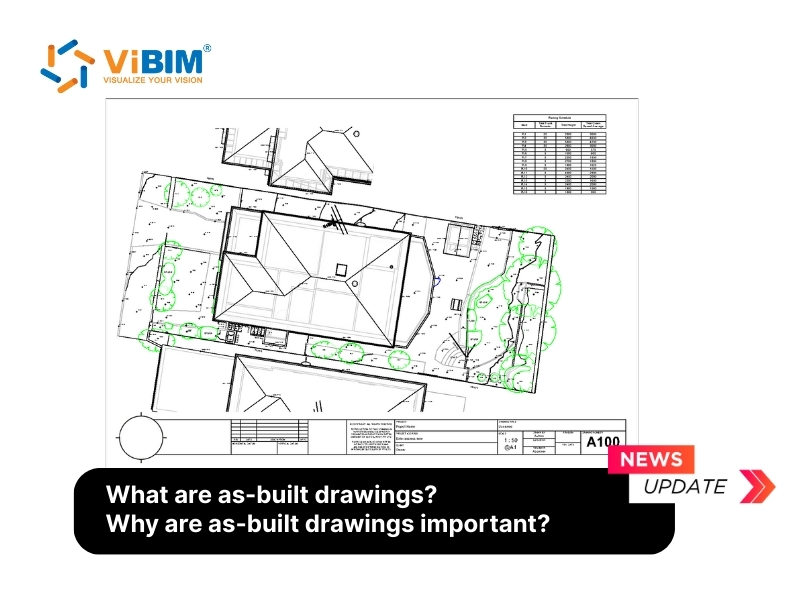
In the AEC industry, 3D laser scanning is used to create accurate as-built models of existing buildings and infrastructure. This data is crucial for renovation and retrofit projects, allowing architects and engineers to design with confidence and avoid costly clashes during construction. It is also used for quality control, construction verification, and creating digital twins of buildings for facility management.
Manufacturing and Industrial Facilities
In manufacturing, 3D laser scanning is used for quality control and inspection, ensuring that manufactured parts meet design specifications. It is also used to reverse engineer parts for which no CAD models exist. In industrial facilities, scanners are used to create accurate models of complex piping and equipment, which is essential for plant retrofits and maintenance planning.
Healthcare and Prosthetics
The medical field has found numerous applications for 3D laser scanning, from creating custom-fit prosthetics and orthotics to planning complex surgeries. By scanning a patient’s body, medical professionals can create highly accurate 3D models that can be used to design devices that are perfectly tailored to the individual’s anatomy, improving comfort and functionality.
Forensics
In forensics, 3D laser scanners are used to capture detailed and accurate digital records of crime scenes. These 3D models can be used to analyze bullet trajectories, blood spatter patterns, and the positions of evidence. The immersive and accurate nature of these models can be a powerful tool for investigators and for presenting evidence in court.
To actively use the raw scan data gathered across these industries for precise architectural or MEP design, discover the exact steps to convert point cloud to 3D model so you can instantly turn millions of static data points into fully editable geometry.
The Future of 3D Laser Scanning
The field of 3D laser scanning is continually evolving, with new advancements promising even greater capabilities. We are seeing a trend towards the integration of Artificial Intelligence (AI) and Machine Learning (ML) for automated point cloud processing, which will make the workflow from raw data to usable model even faster and more efficient. For many, understanding the full Scan to BIM workflow is becoming critical as technology matures.
The growth in mobile and drone-based LiDAR scanning is making it easier than ever to capture data in any environment. Furthermore, cloud collaboration and seamless integration with Building Information Modeling (BIM) are transforming how project teams work together. To bridge the gap between scanning and design, users often look for the best Scan to BIM software for Revit to enhance productivity. This enables real-time access to and analysis of 3D data from anywhere in the world.
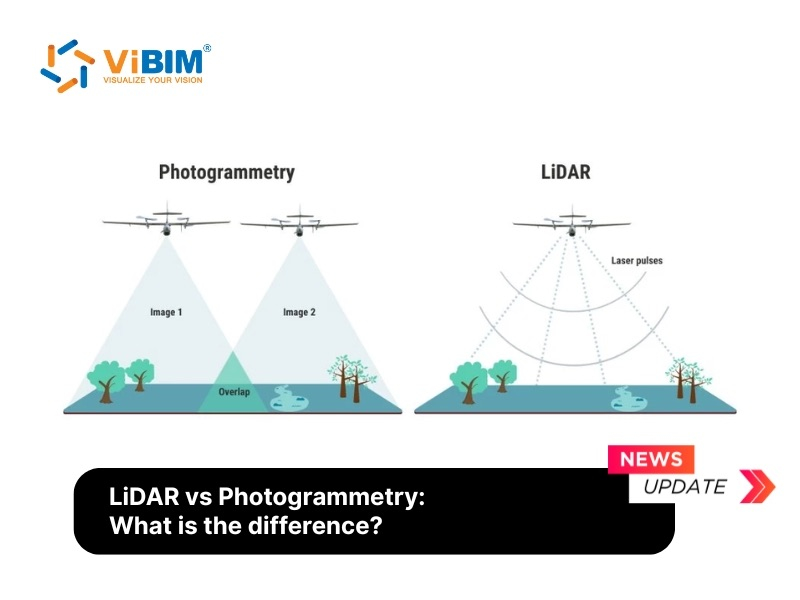
As drone-based data capture becomes more accessible, ensure you are selecting the most accurate and cost-effective method for your site by evaluating lidar vs photogrammetry.
ViBIM: Reliable Outsource Point Cloud Modeling Partner for Scanning
ViBIM provides a high-precision outsource point cloud modeling service, transforming complex scans into intelligent Revit models. As a scalable production extension, we handle resource-intensive modeling so scanning firms can focus on field acquisition, ensuring every deliverable is accurate and BIM-ready.
- Exceptional Production Efficiency: Our optimized workflows deliver turnaround times up to 30% faster than the market average, allowing partners to meet aggressive project deadlines.
- Proven Delivery Reliability: We maintain a 99% on-time delivery record, ensuring that your scan-to-model projects are completed according to the agreed-upon schedule.
- Specialized Multi-Disciplinary Expertise: Our team of 30+ professional modelers possesses deep experience in diverse sectors, including residential buildings, healthcare facilities, and industrial plants.
- Rapid Communication Response: Client inquiries and project updates receive attention in under 1 hour during business hours, fostering a seamless collaborative environment.
- Industry-Standard Quality Assurance: We produce high-accuracy models compliant with established US and UK industry standards, utilizing Revit as the primary authoring tool for all LOD (Level of Development) requirements.
ViBIM – Revit Modeling Services
- Address: 10th floor, CIT Building, No 6, Alley 15, Duy Tan street, Cau Giay ward, Hanoi, Vietnam
- Phone: +84 944 798 298
- Email: info@vibim.com.vn
Frequently Asked Questions (FAQs)
How accurate is a 3D laser scanner?
The accuracy of a 3D laser scanner varies significantly depending on the technology and the specific model. High-end professional systems can achieve sub-millimeter precision (a few tens of micrometers), while entry-level scanners may have an accuracy of several millimeters.
What file formats are used for 3D scan data?
When dealing with large datasets, understanding the various point cloud file formats is essential. Common file formats for 3D scan data, specifically point clouds, include RCP/RCS (Autodesk), LAS/LAZ (a standard for LiDAR data), E57 (a vendor-neutral format), PTS, and PTX.
What is the difference between LiDAR and 3D laser scanning?
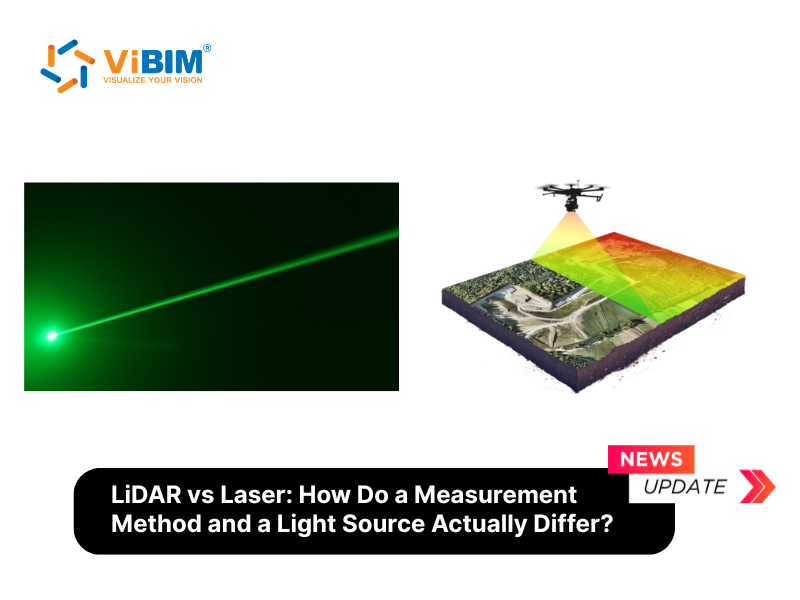
LiDAR (Light Detection and Ranging) and 3D laser scanning both use lasers to create 3D models. However, LiDAR typically refers to long-range, large-scale data acquisition, often from airborne or mobile platforms, for applications like mapping terrain and urban areas. In contrast, 3D laser scanning is usually a more focused, high-resolution process for detailed, close-range scanning of smaller objects or structures, such as industrial components or building interiors.
How much does 3d laser scanning cost?
The cost of 3D laser scanning services varies significantly, ranging from a few hundred to tens of thousands of dollars. The price depends on factors such as the size and complexity of the object or site, the required level of accuracy and detail, the type of scanner used, and the deliverables needed.
Understanding scanning costs is just the first step—learn how to maximize that investment by discovering point cloud data to BIM conversion workflows that transform your raw scan data into actionable, intelligent models that deliver measurable ROI throughout design, construction, and facility management phases.
3D laser scanning has established itself as a powerful and transformative technology with far-reaching implications across a multitude of industries. Its ability to quickly and accurately capture the physical world in stunning digital detail is revolutionizing how we design, build, and maintain our surroundings. As the technology continues to advance and become more accessible, we can expect to see even more innovative applications that will further enhance efficiency, accuracy, and safety in the years to come. For those looking to stay at the forefront of their field, understanding and embracing 3D laser scanning is no longer an option, but a necessity.